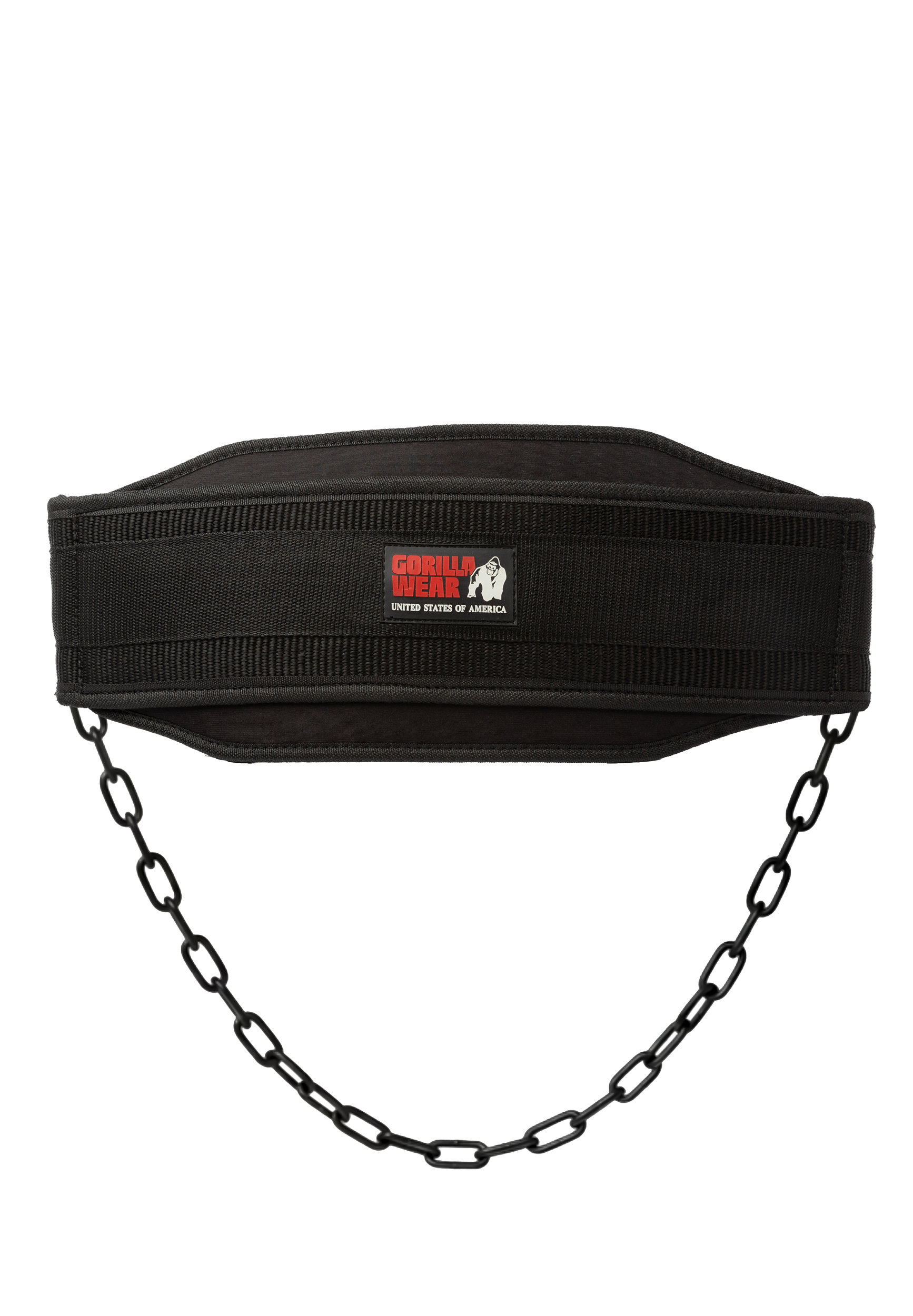
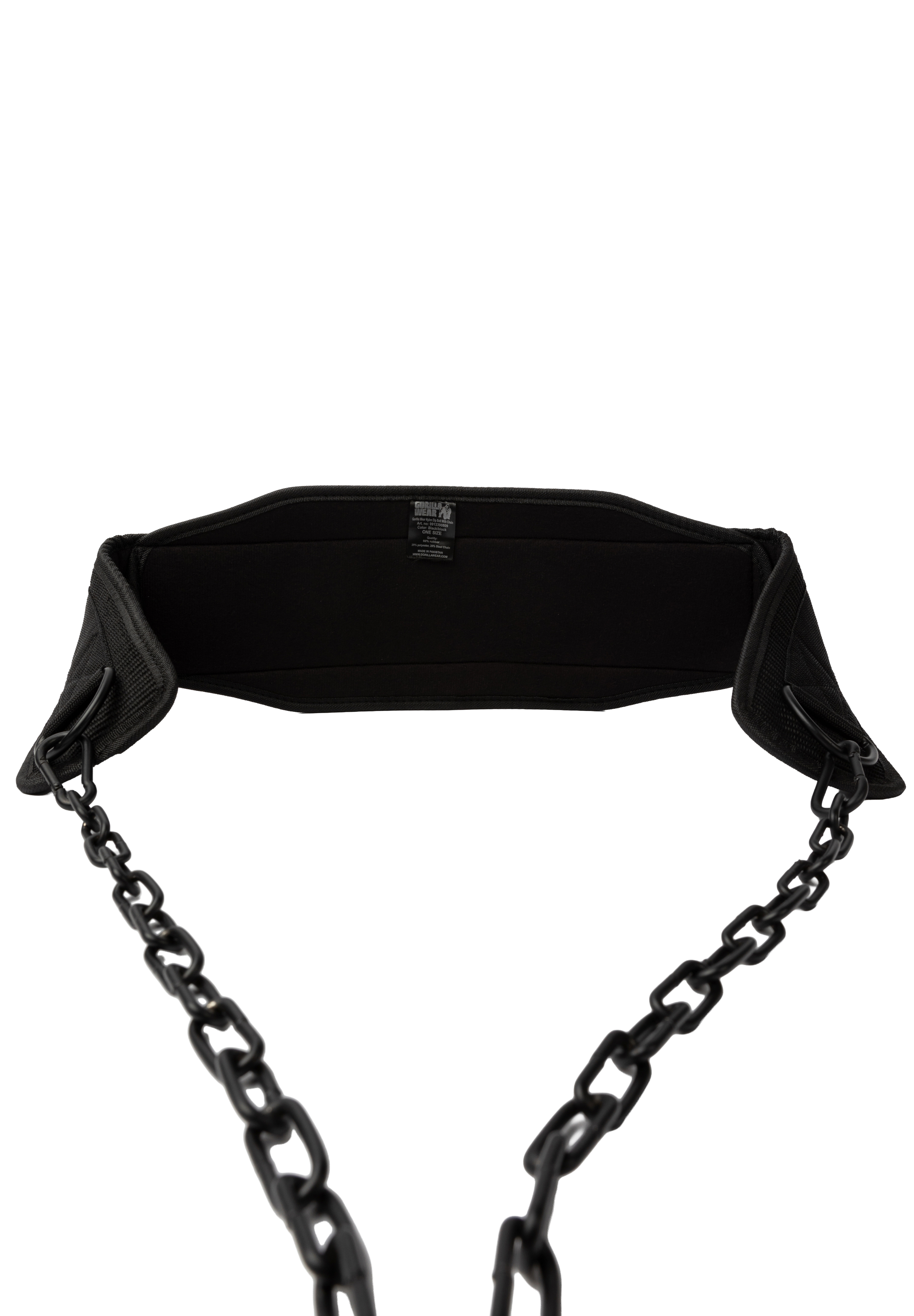
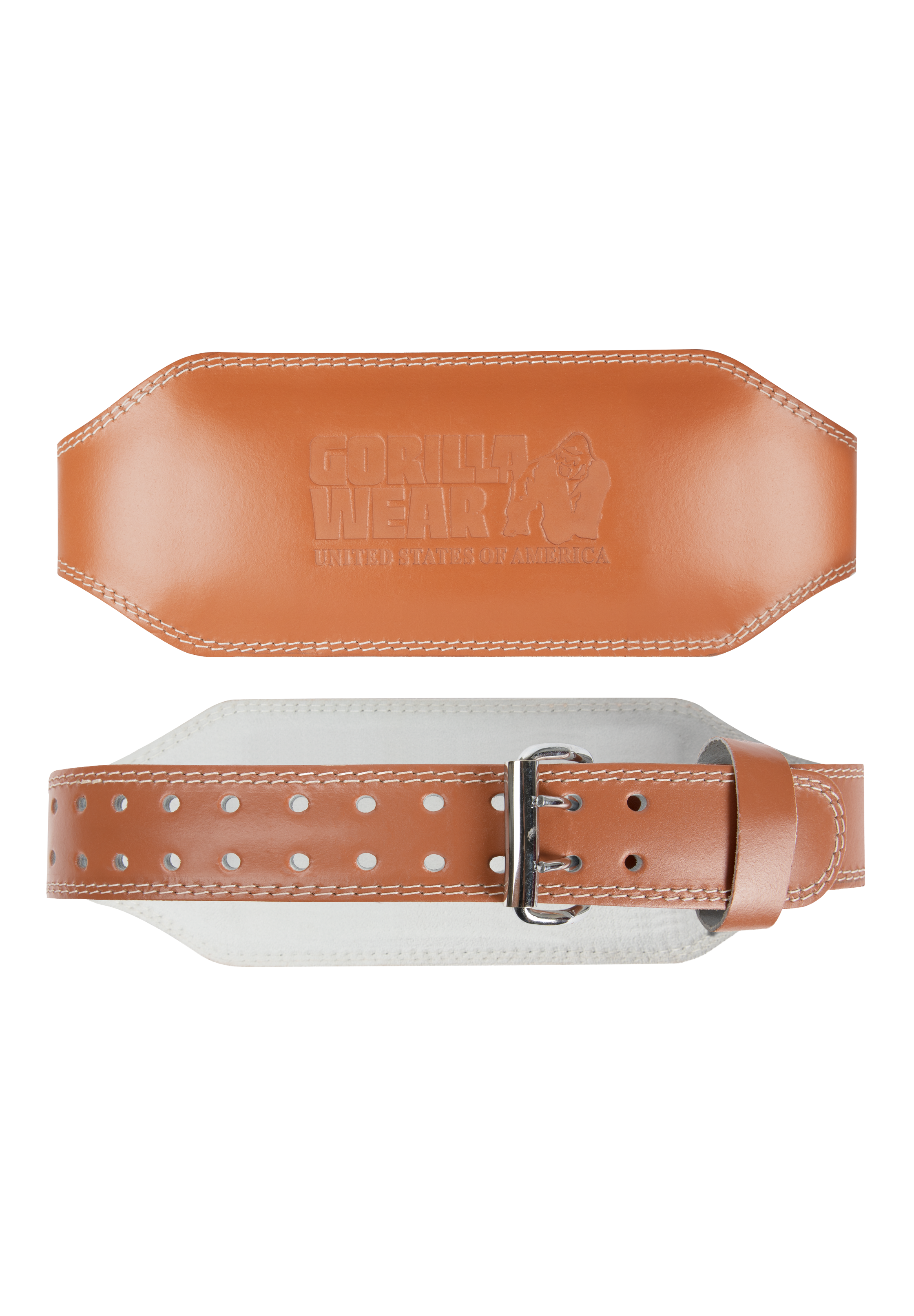
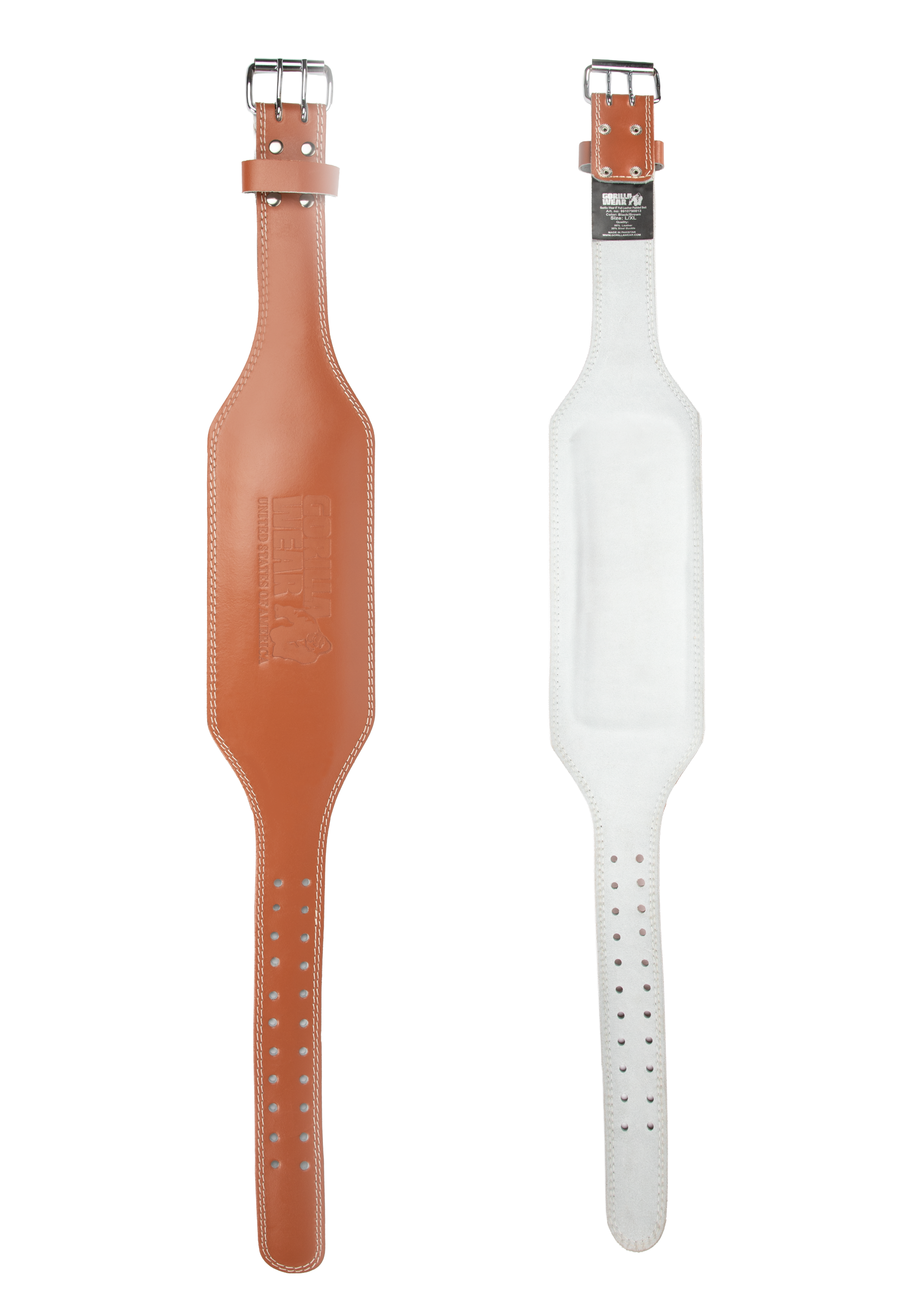
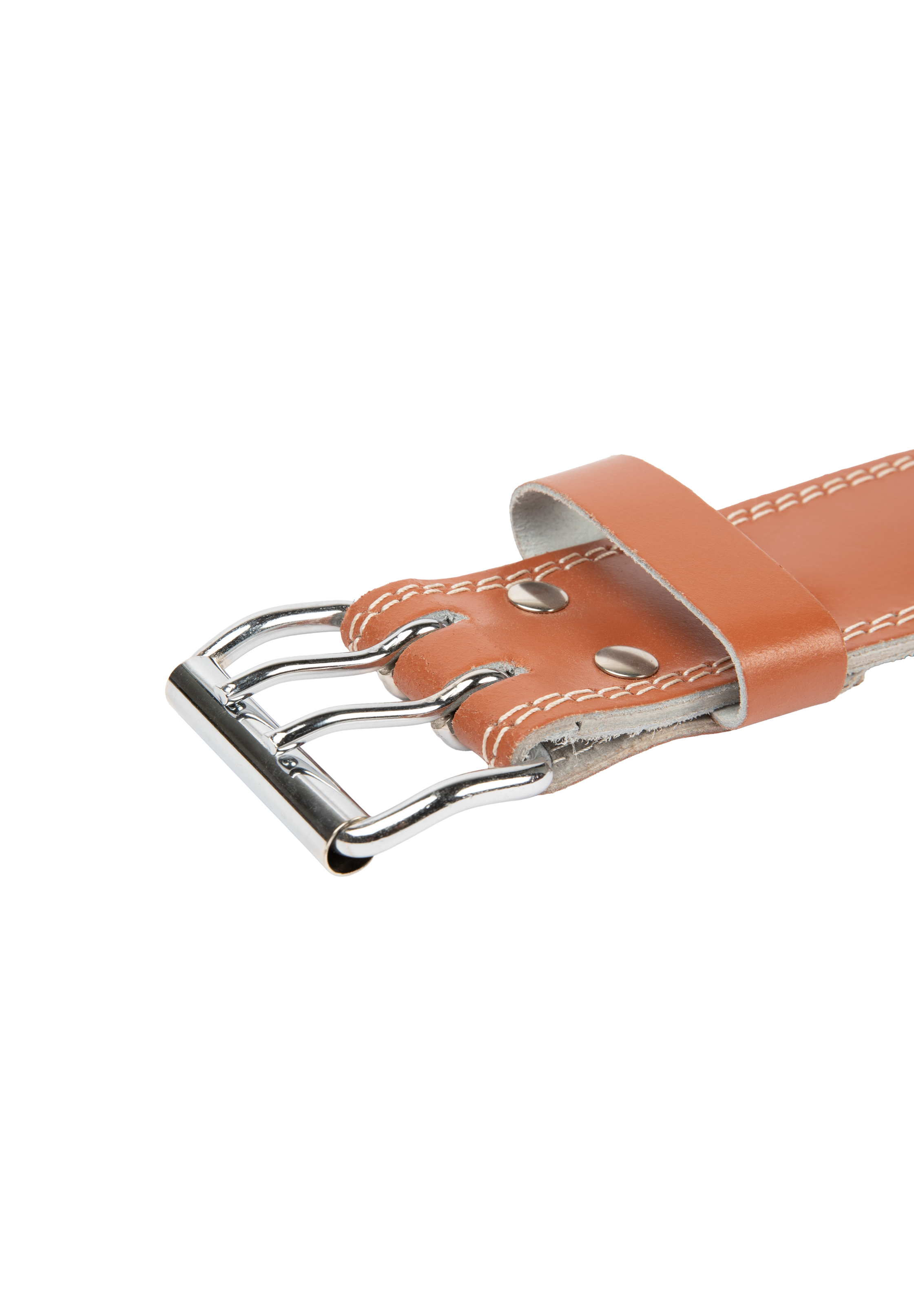
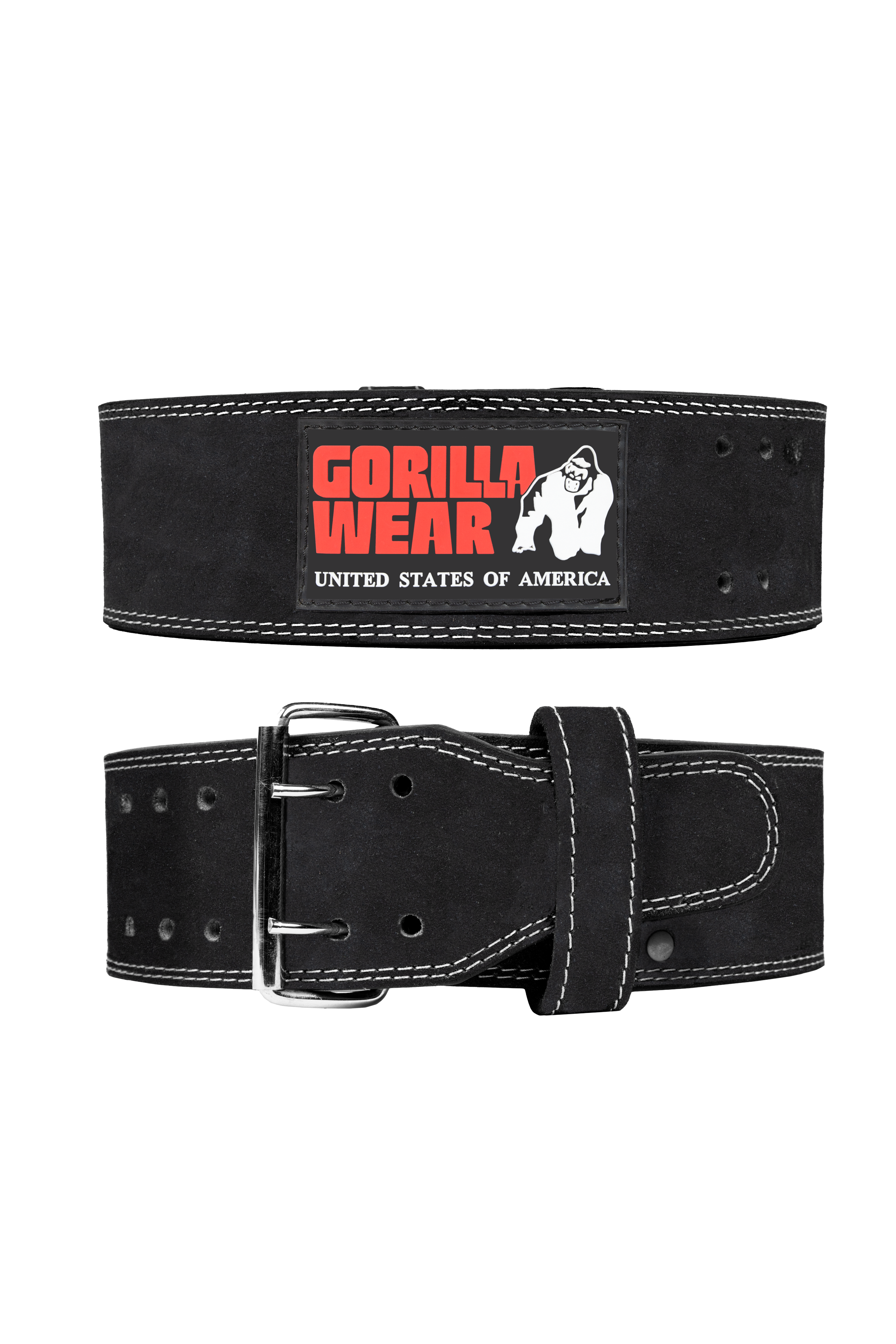
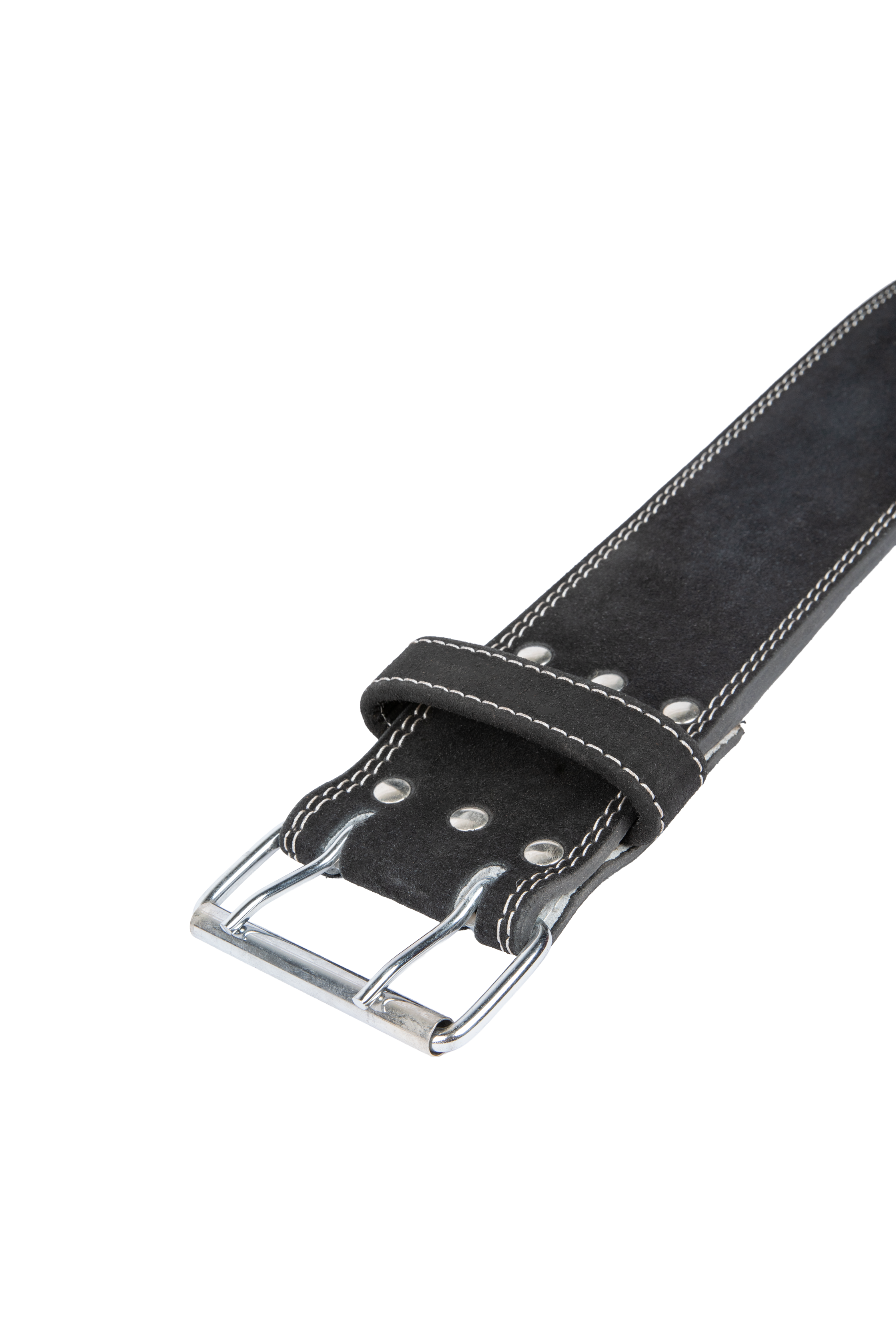
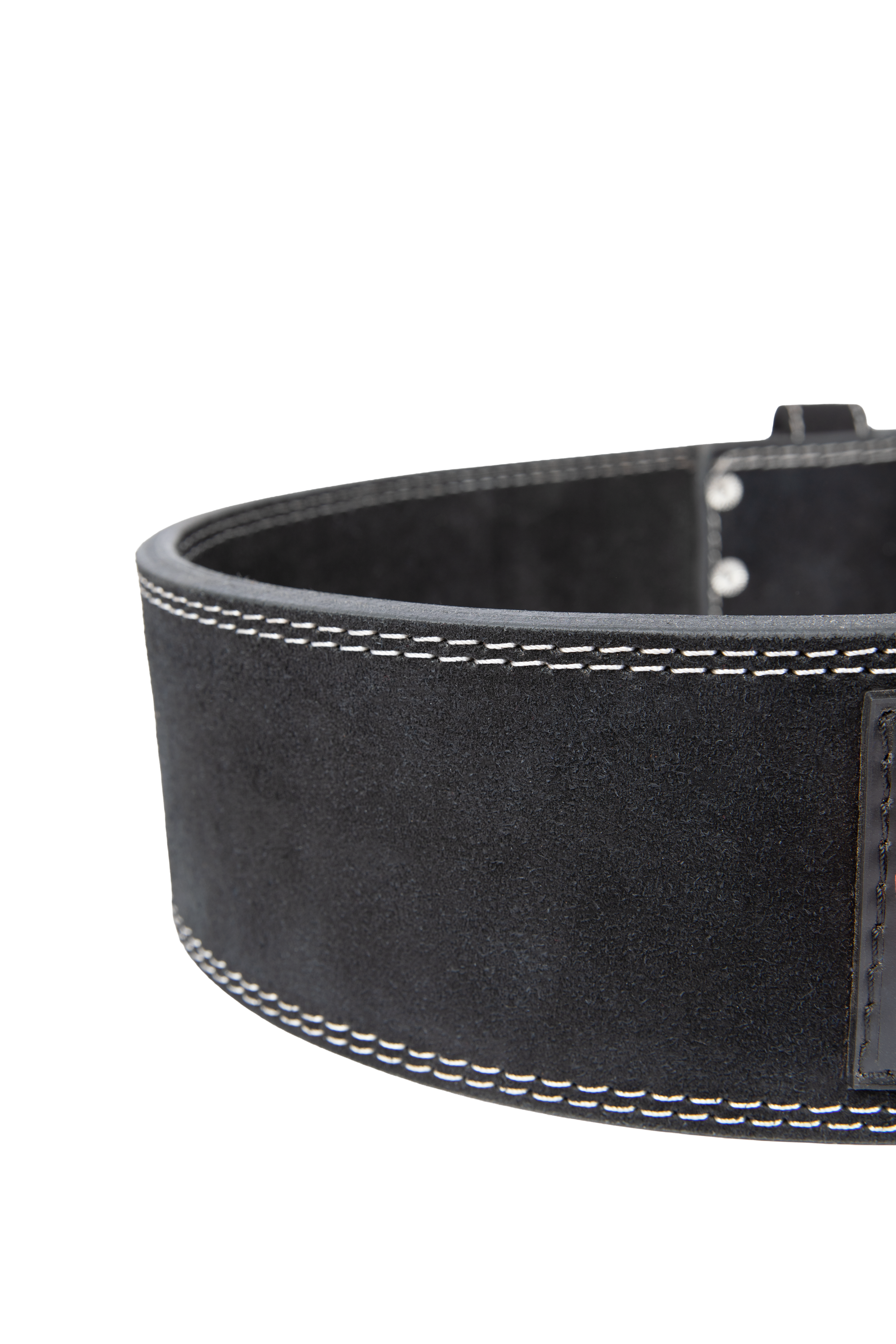
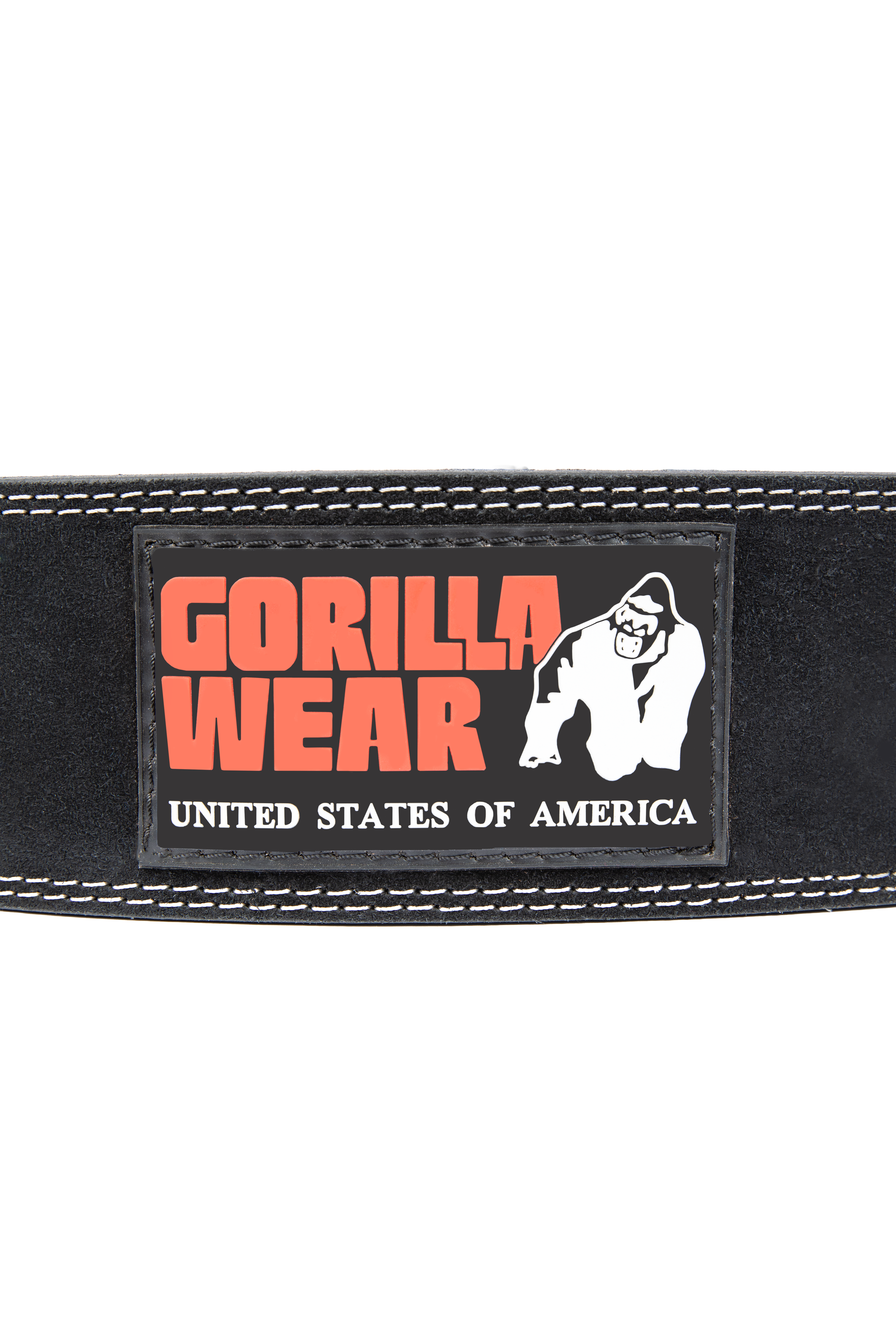
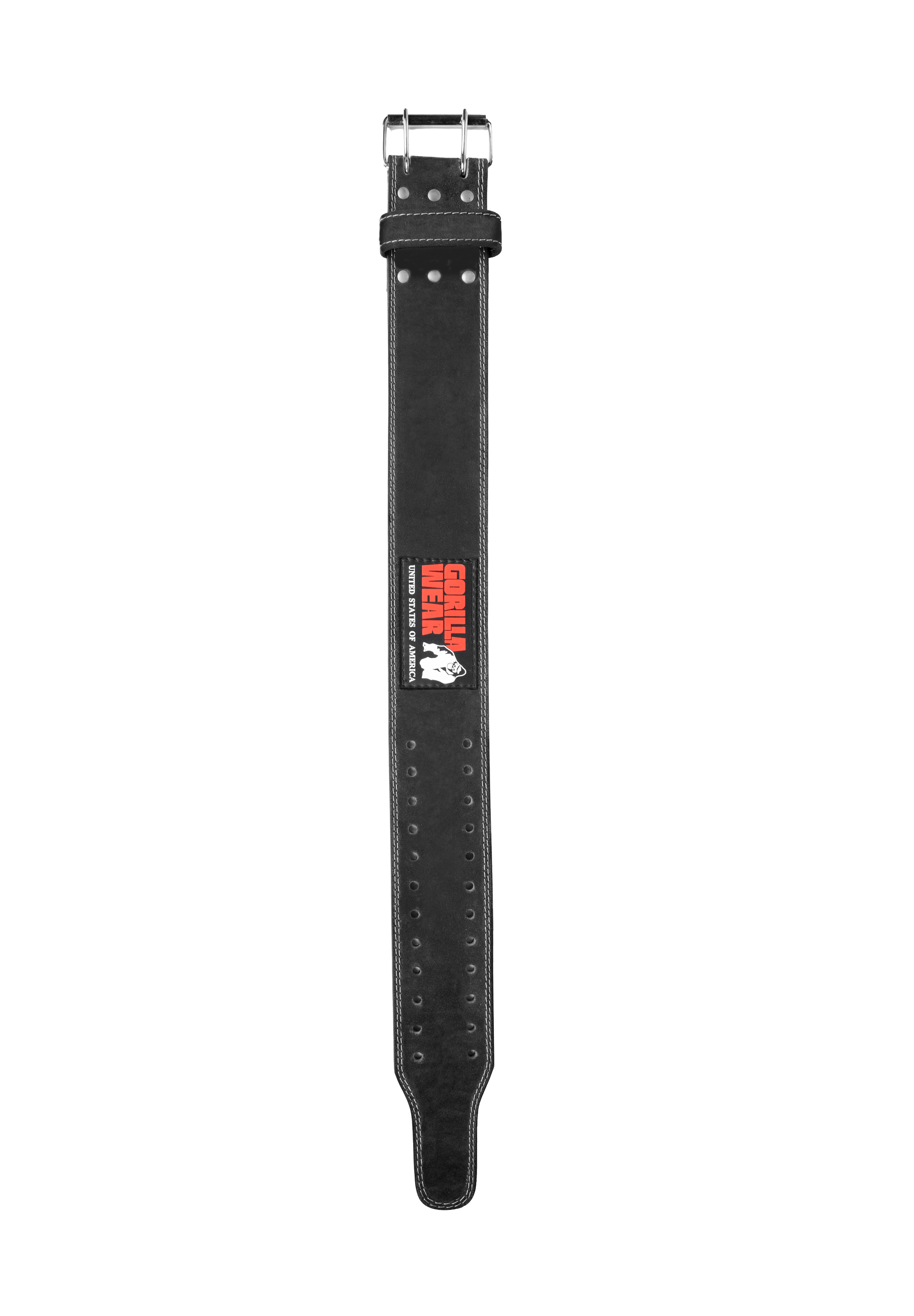
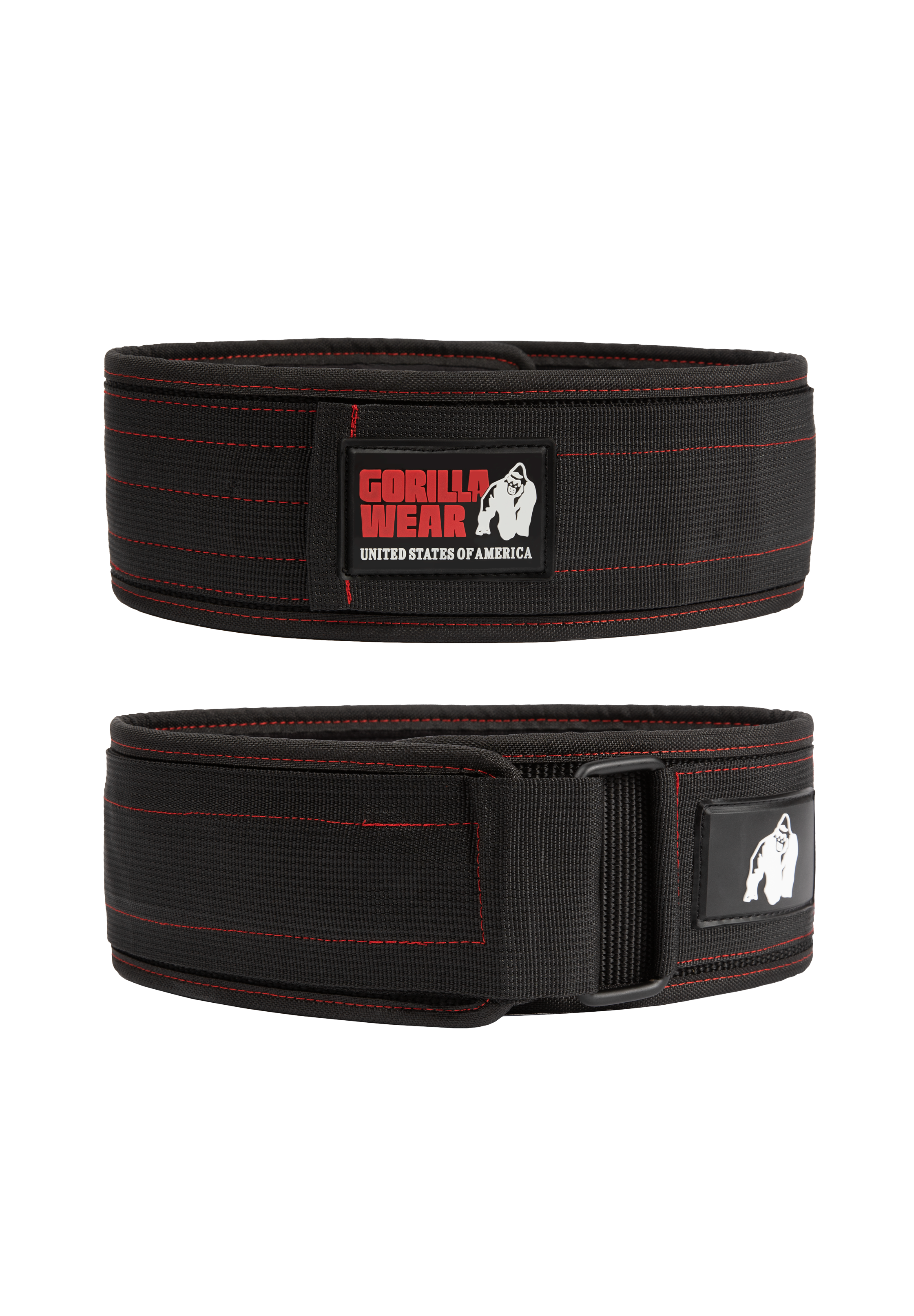
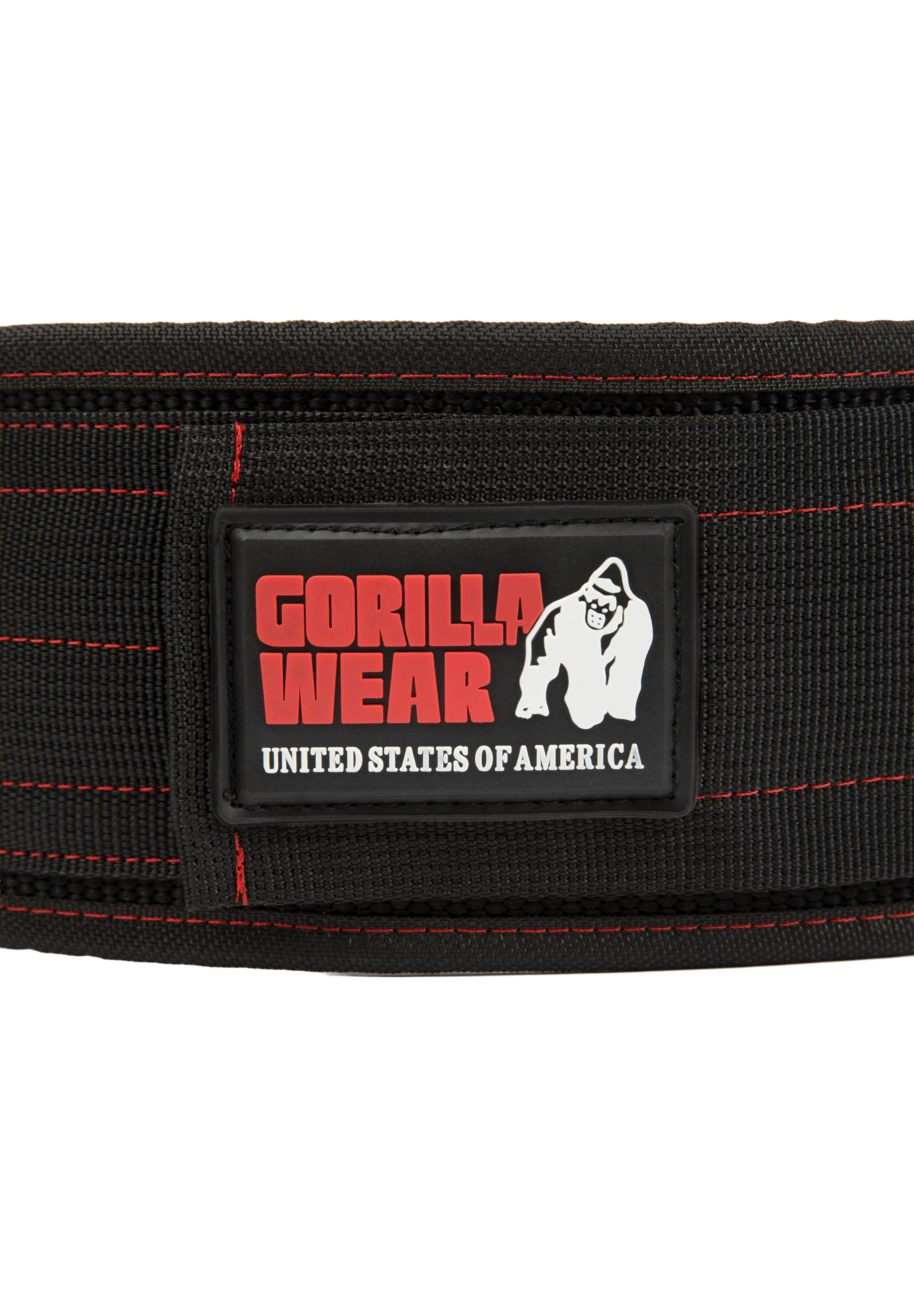
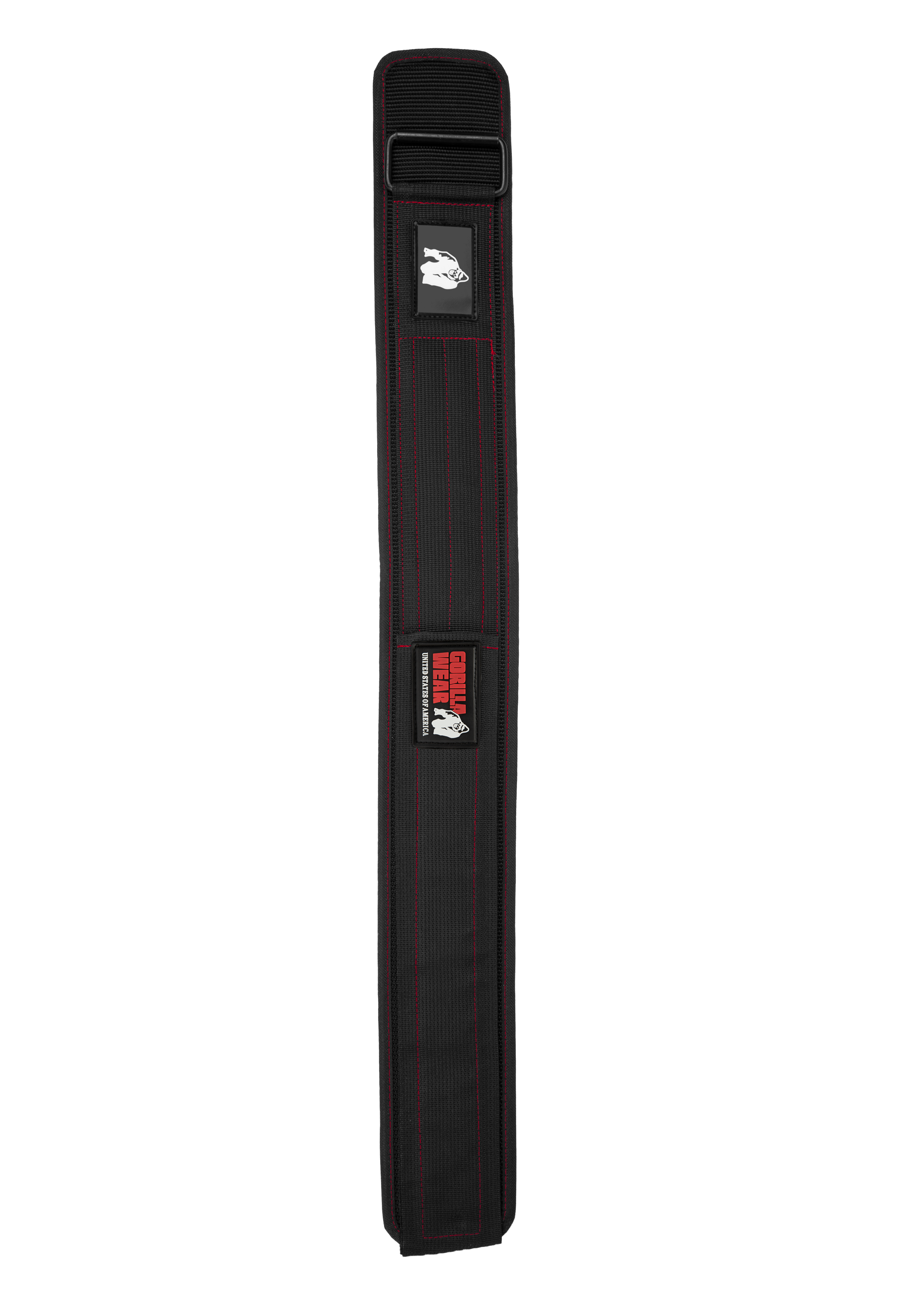
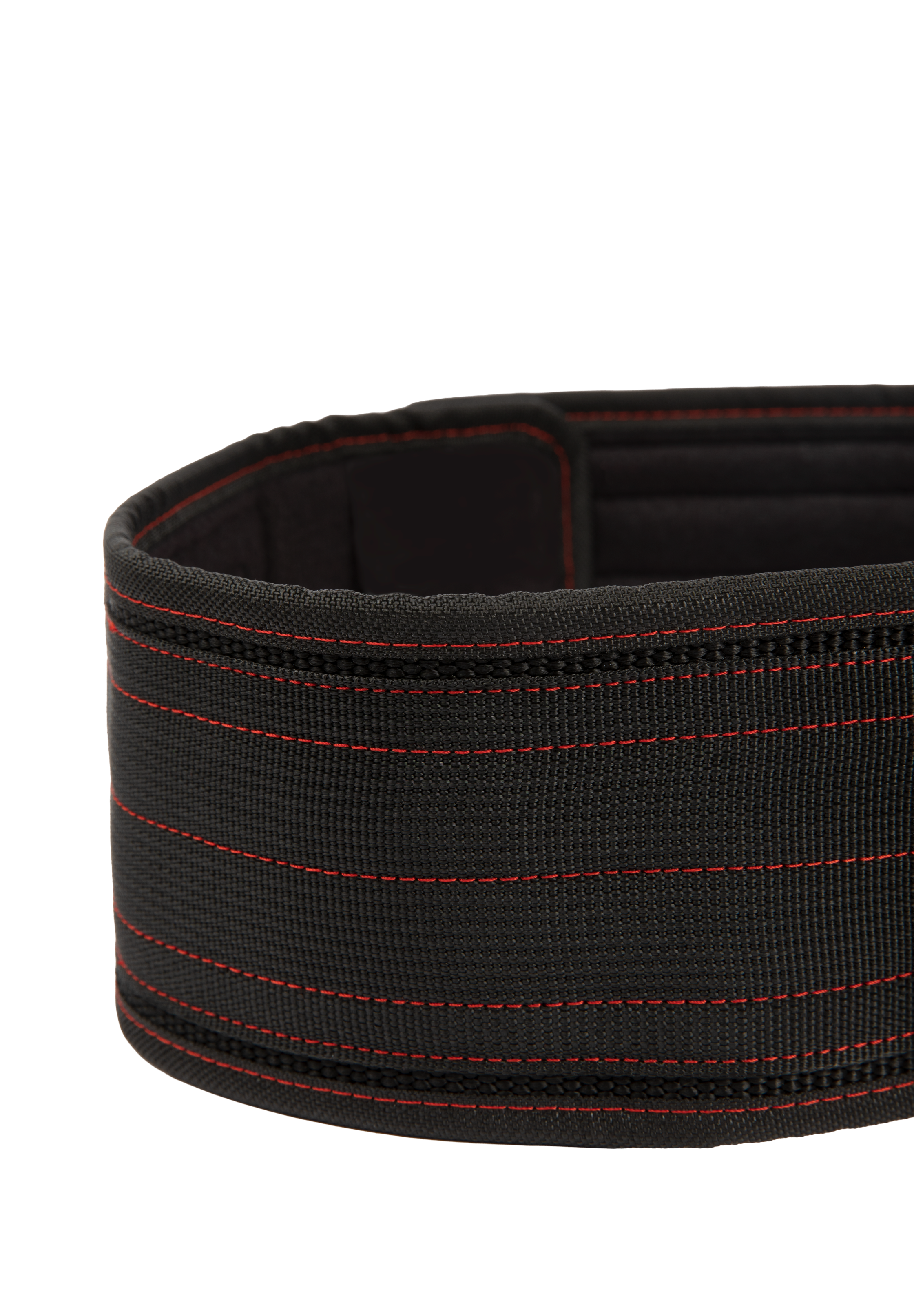
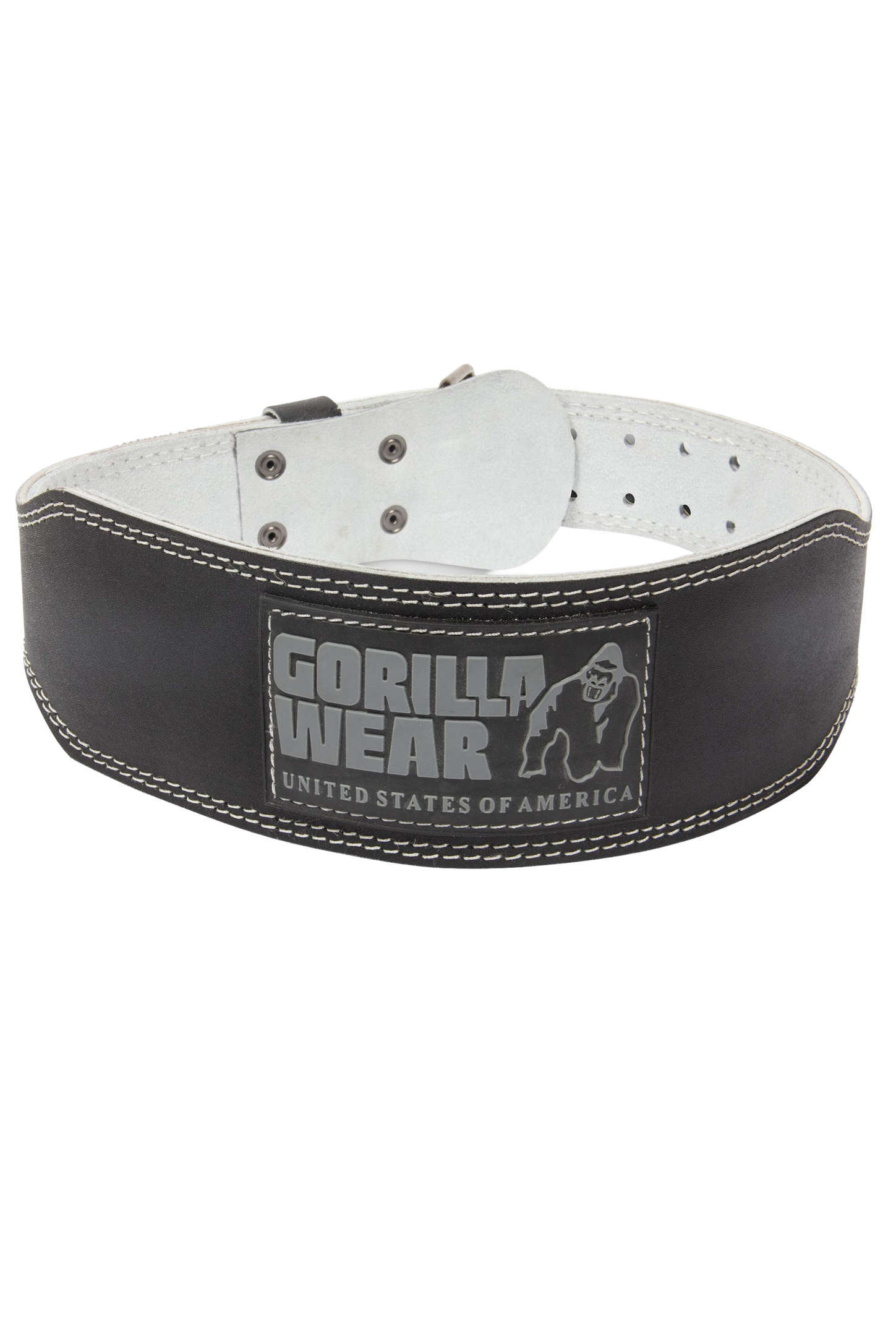
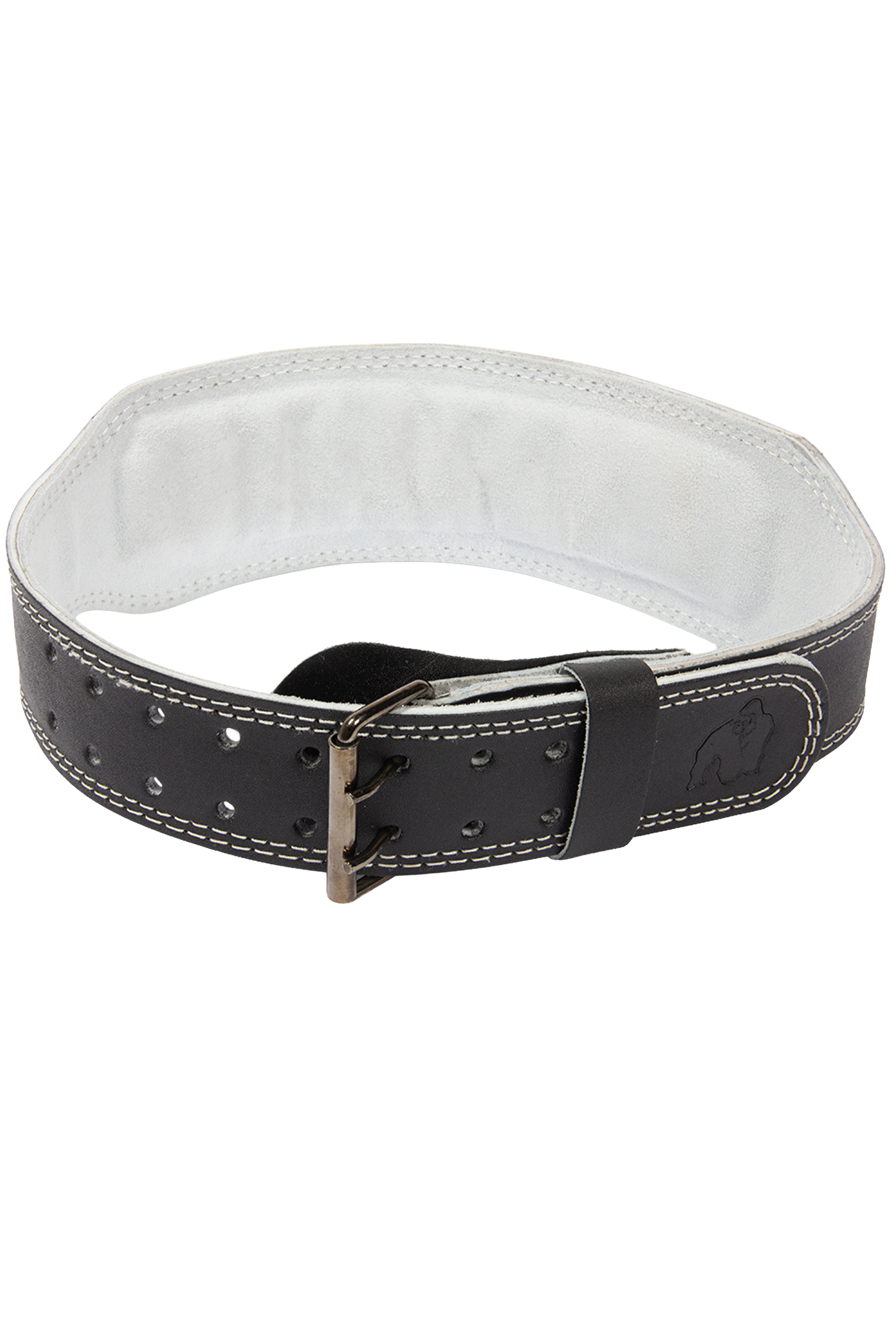
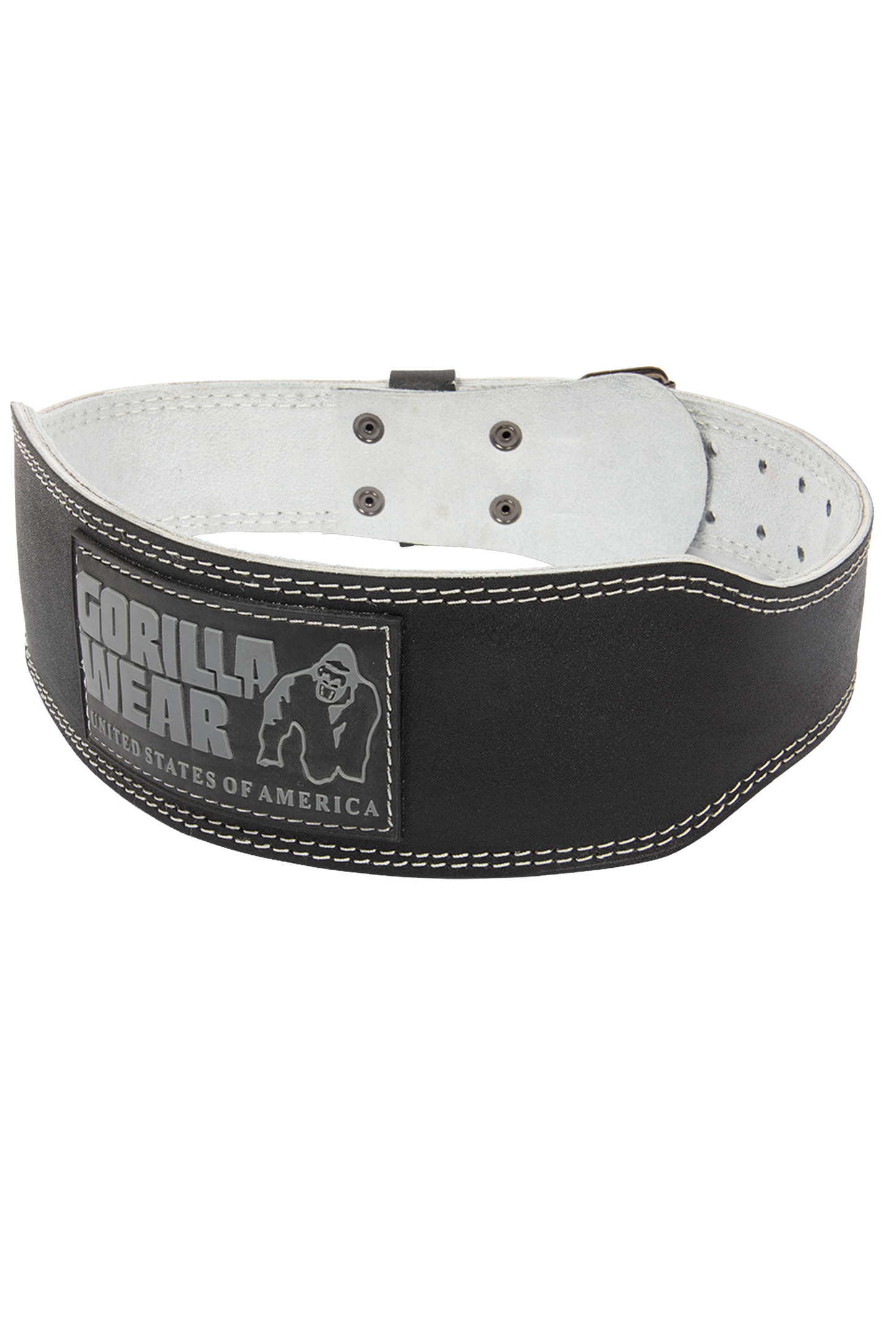
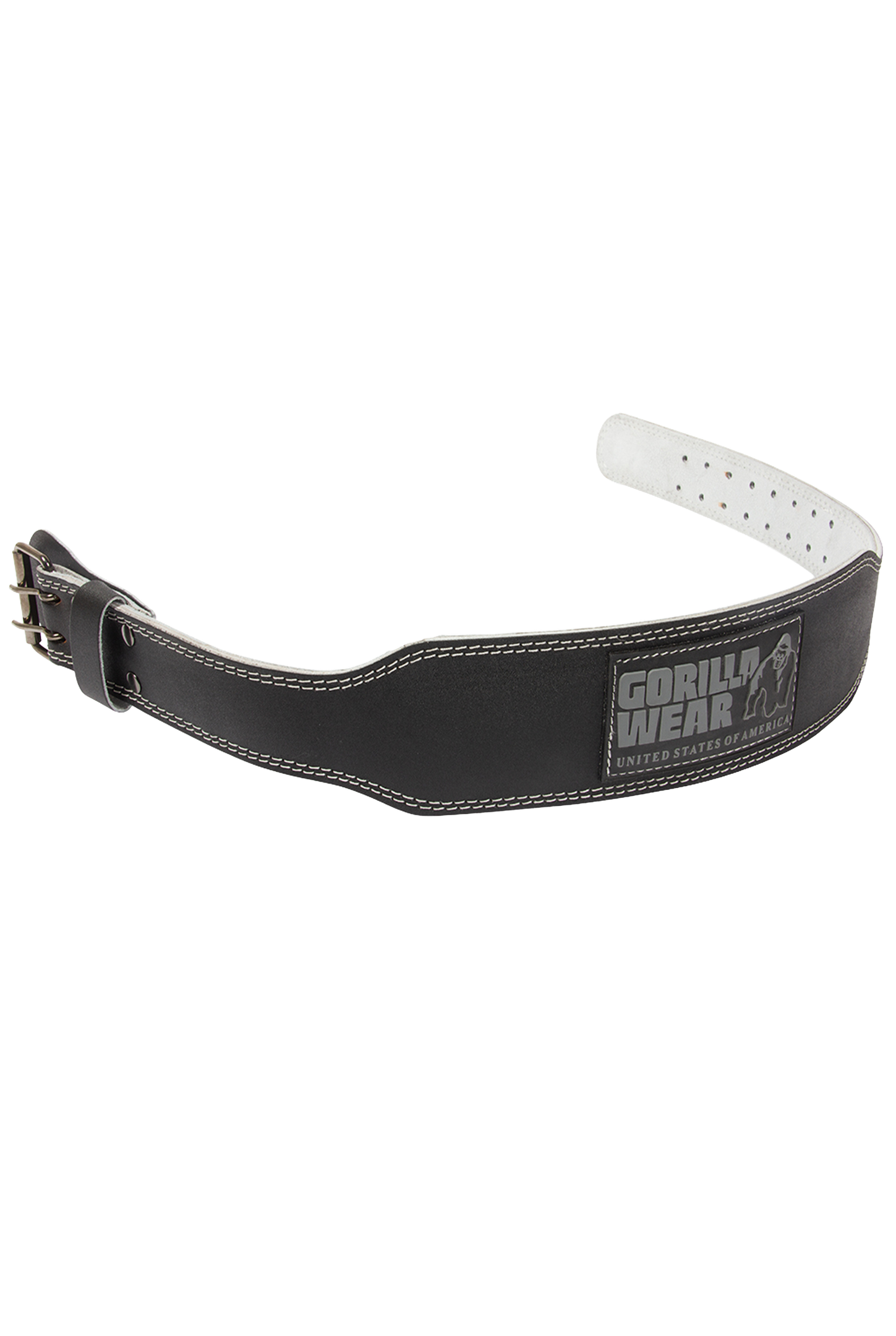
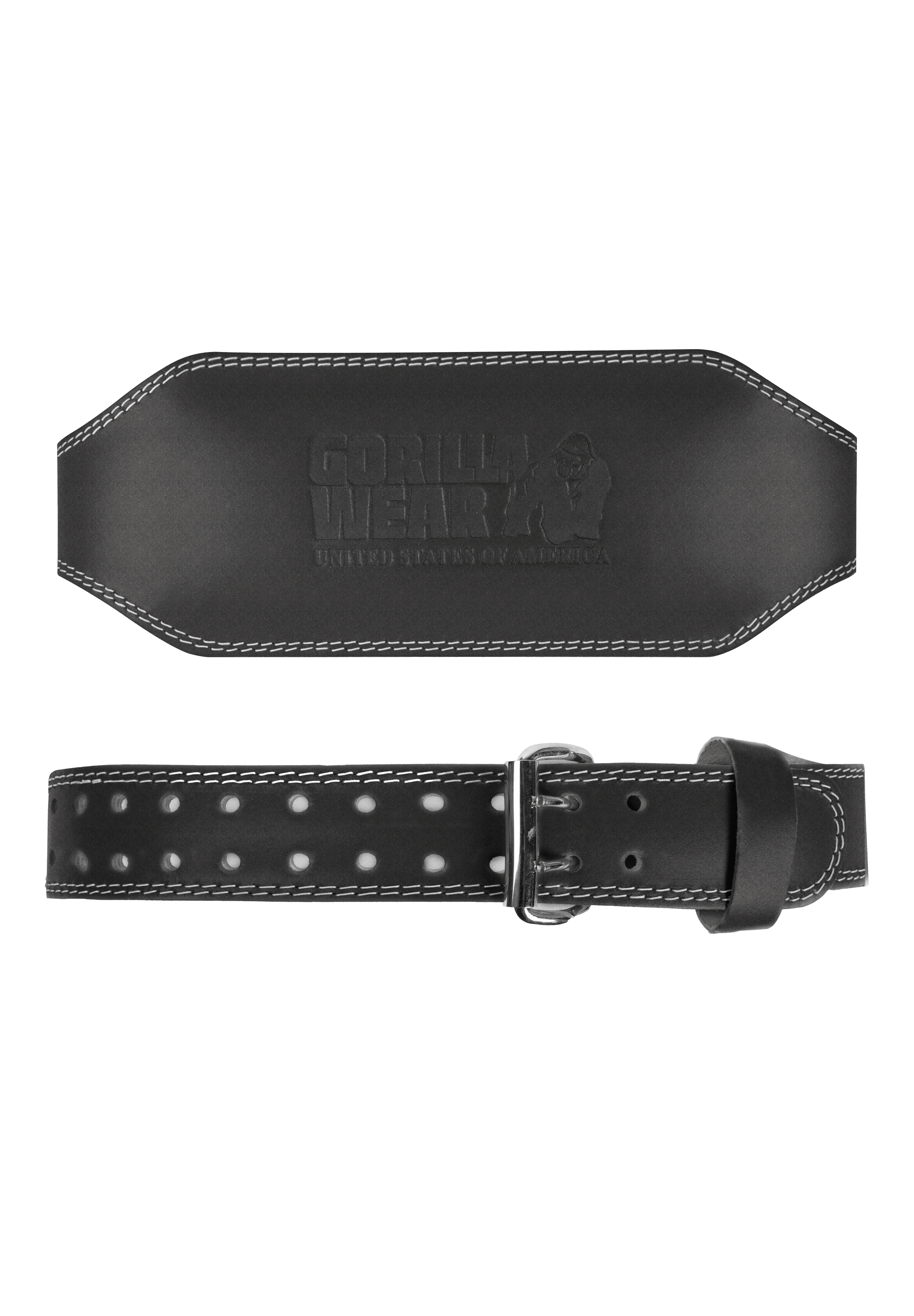
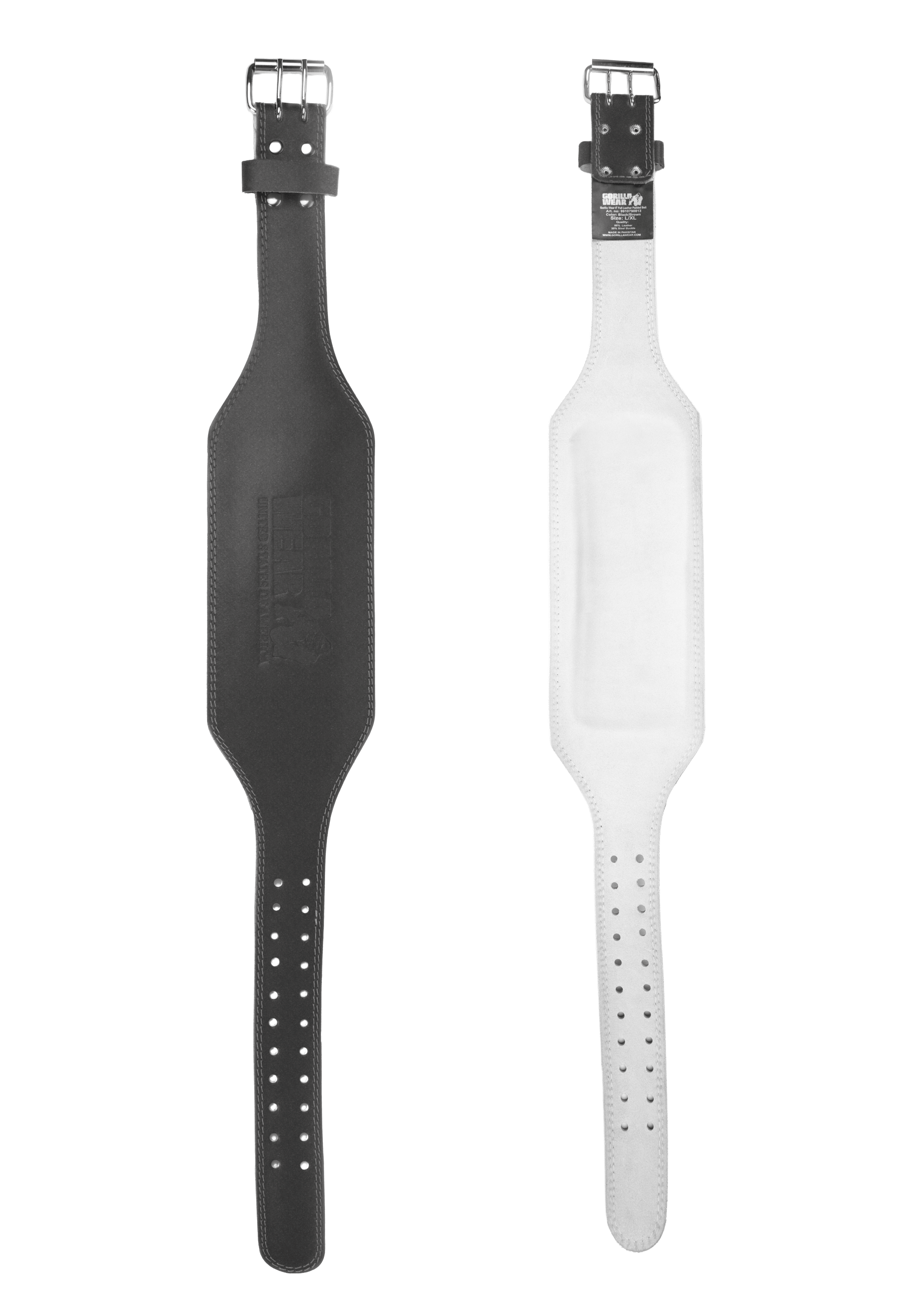
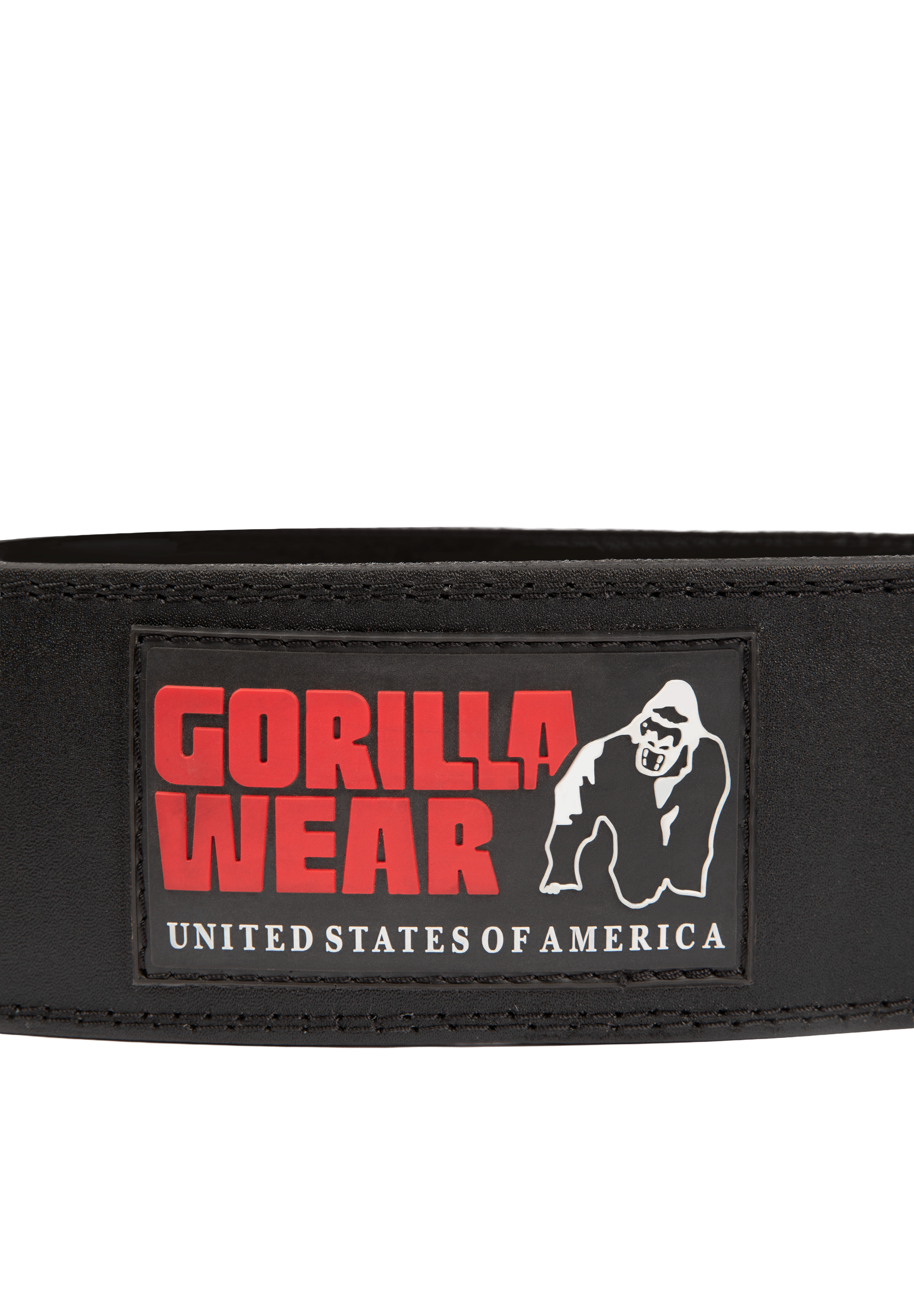
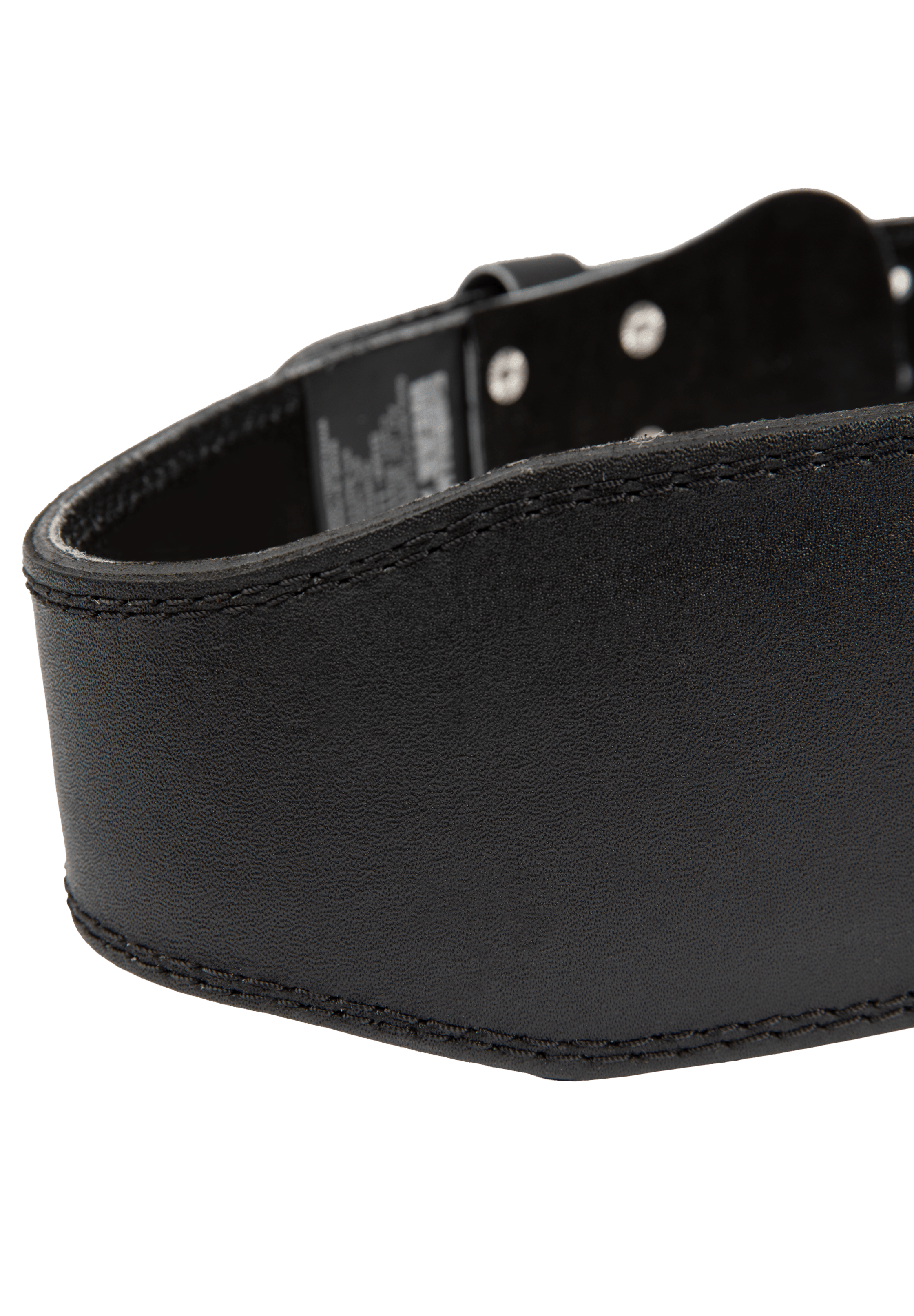
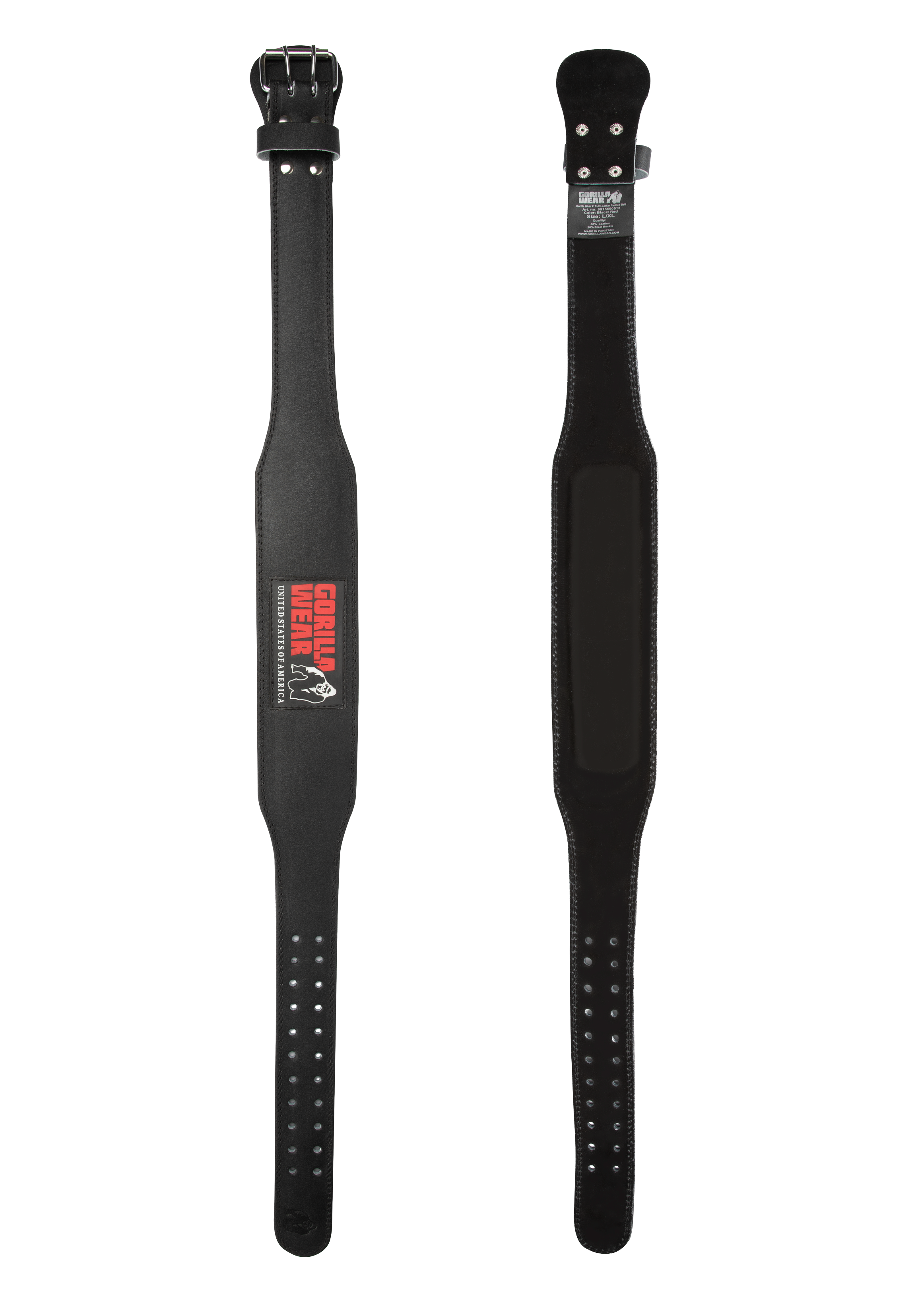
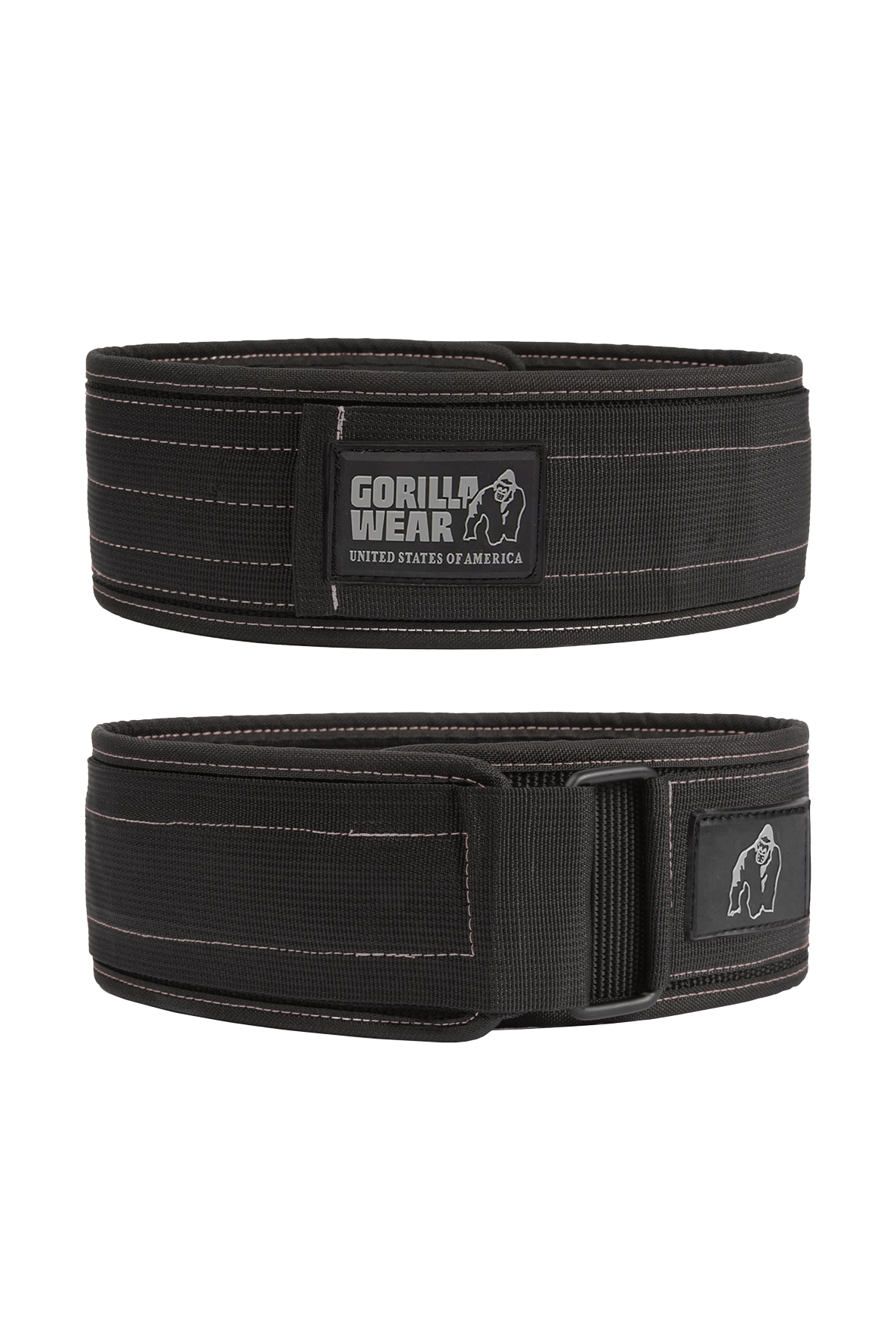
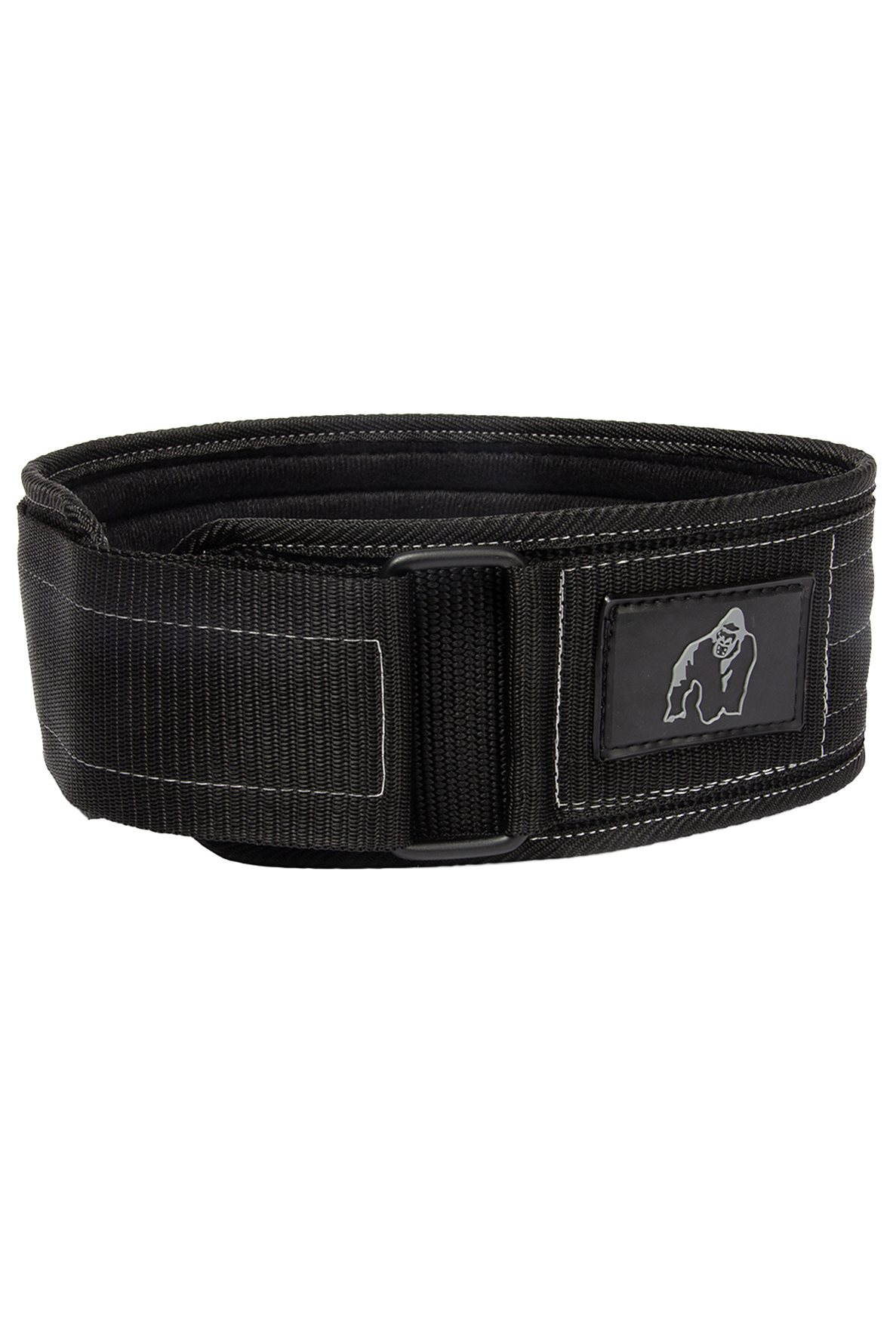
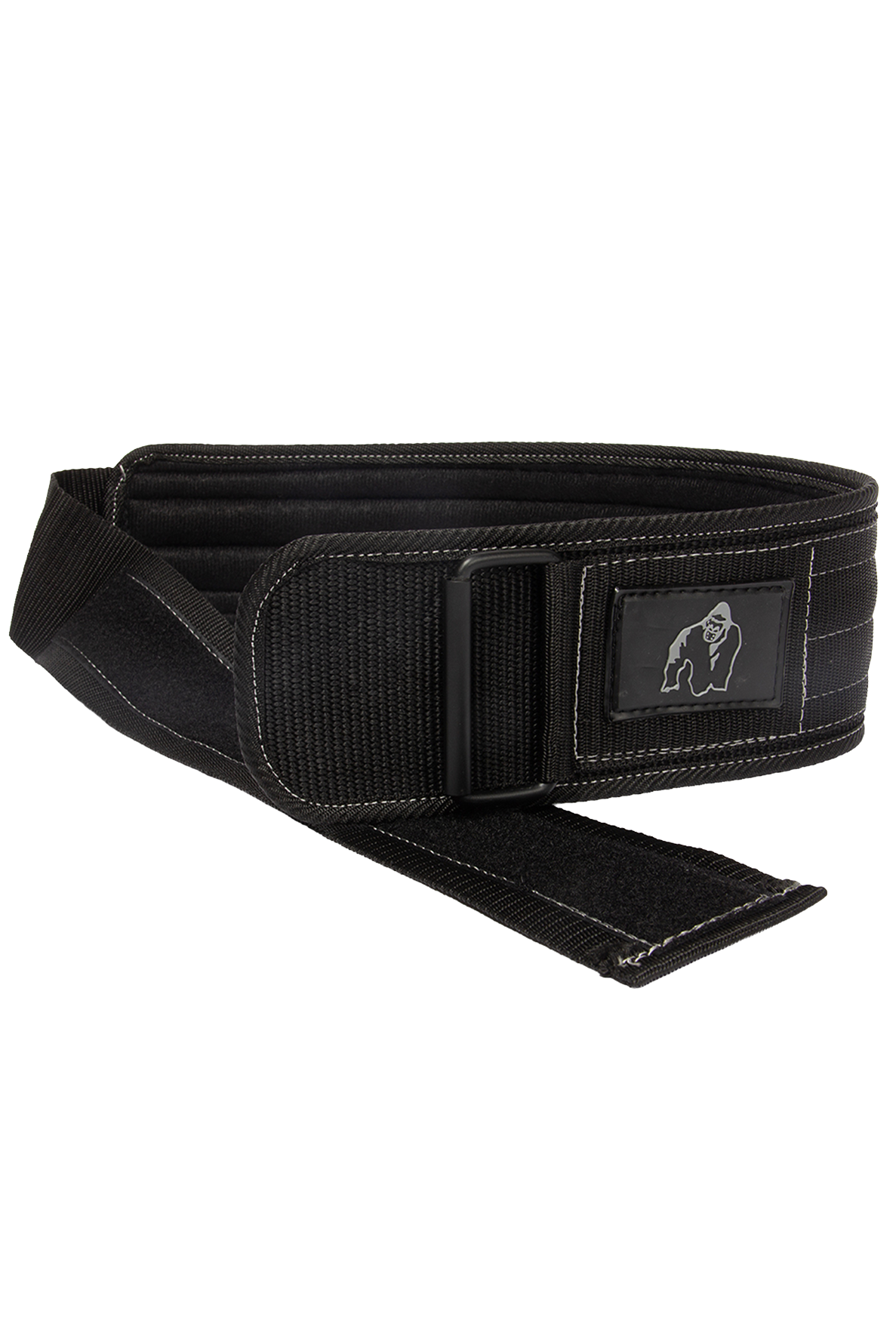
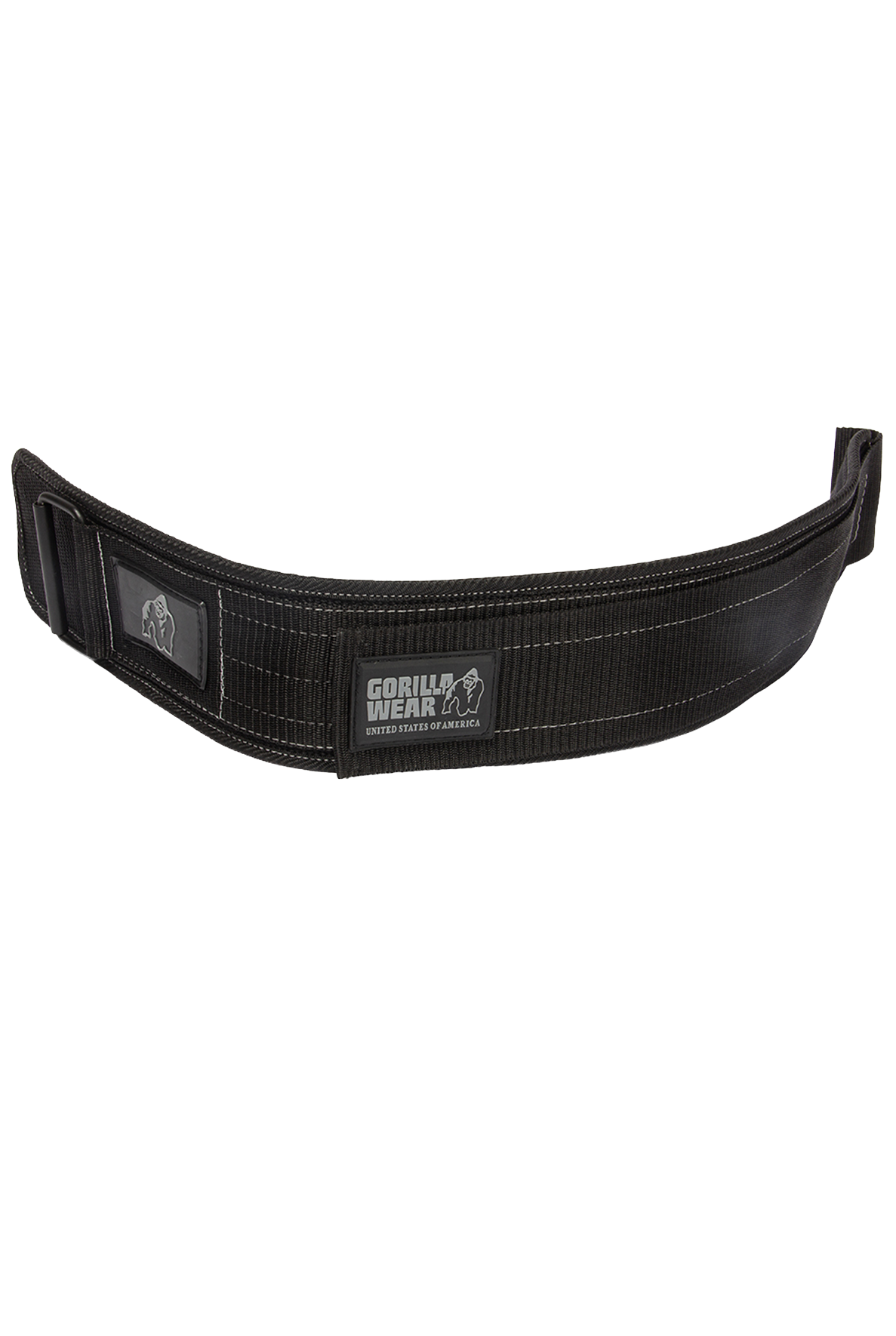
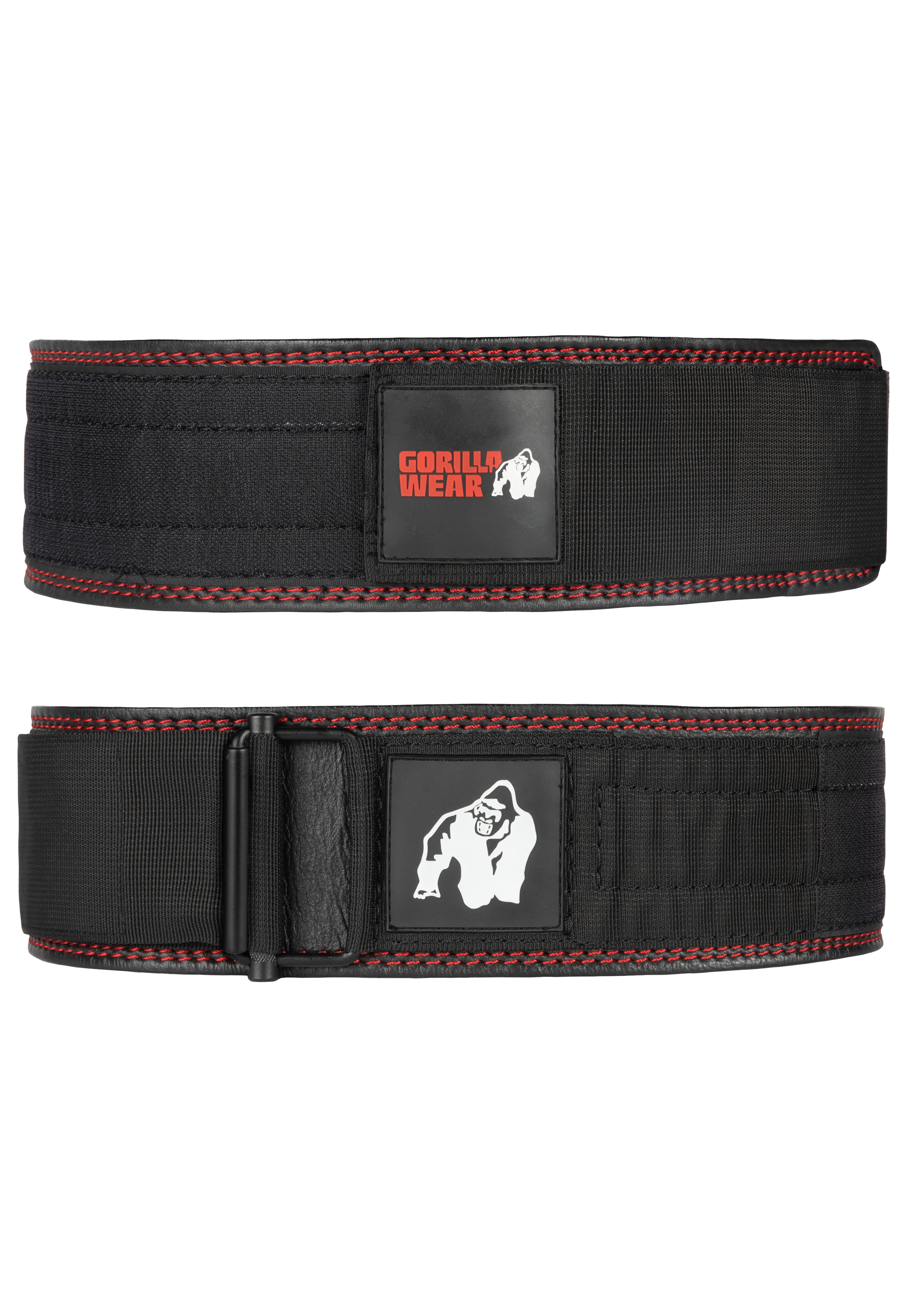
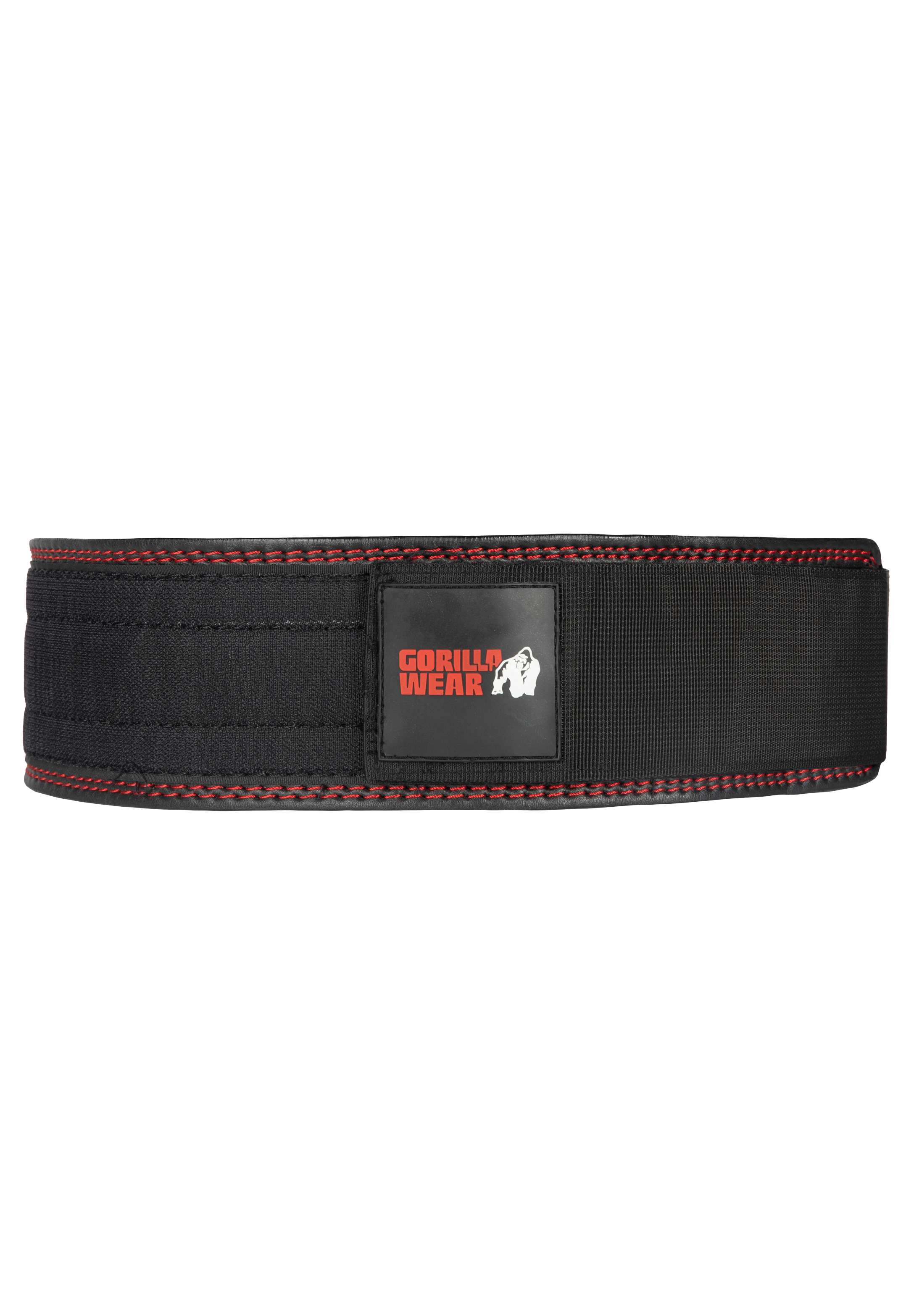
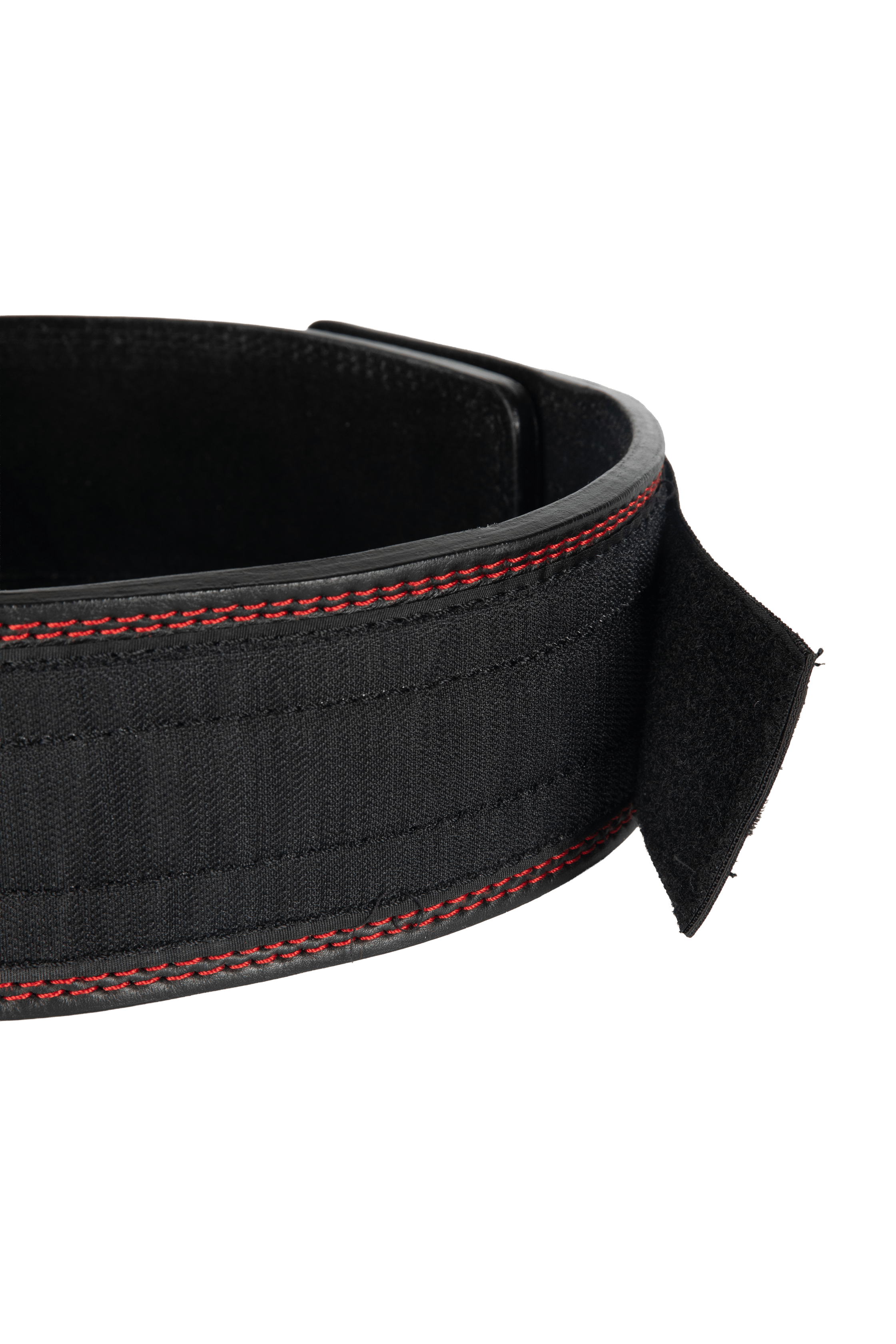
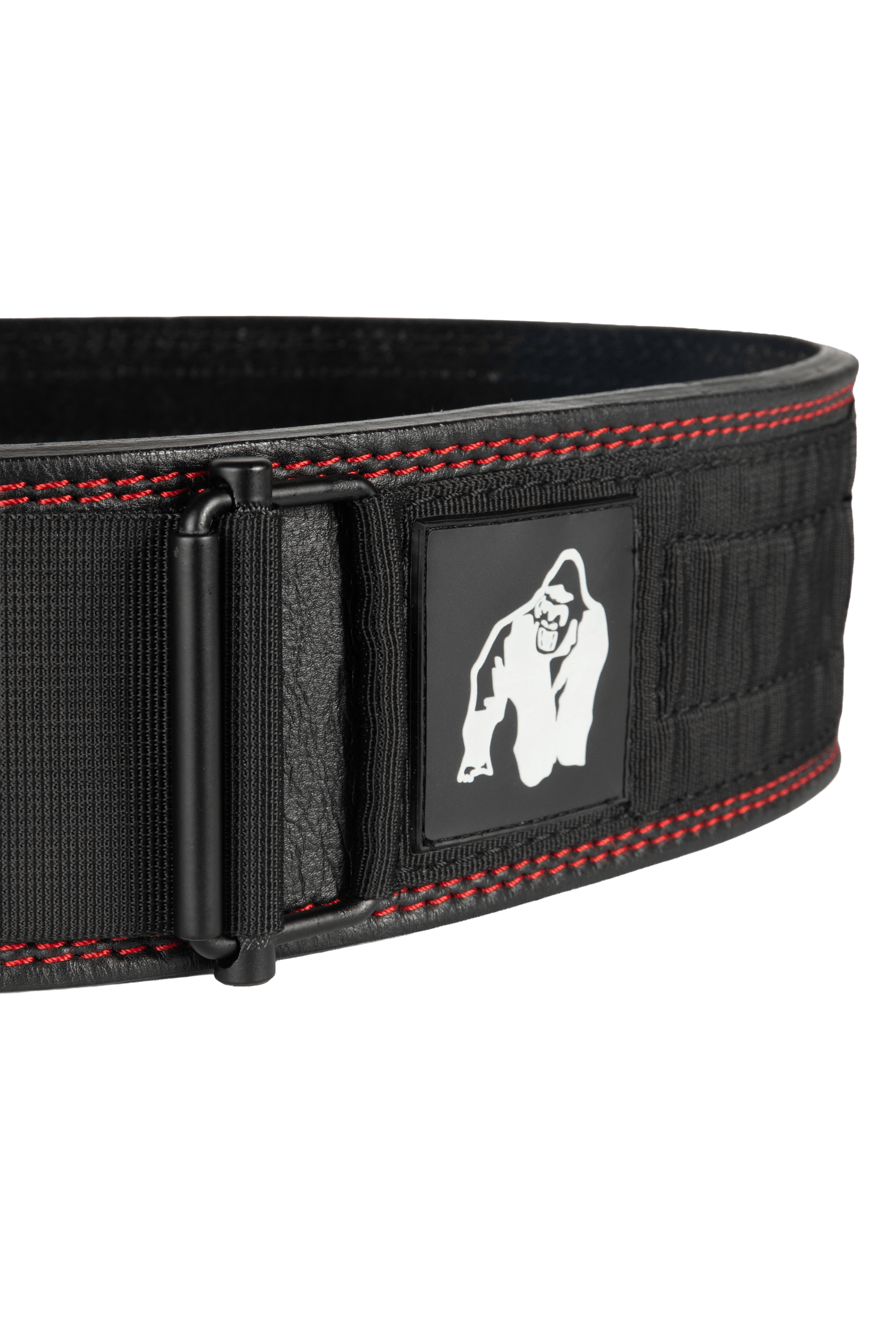
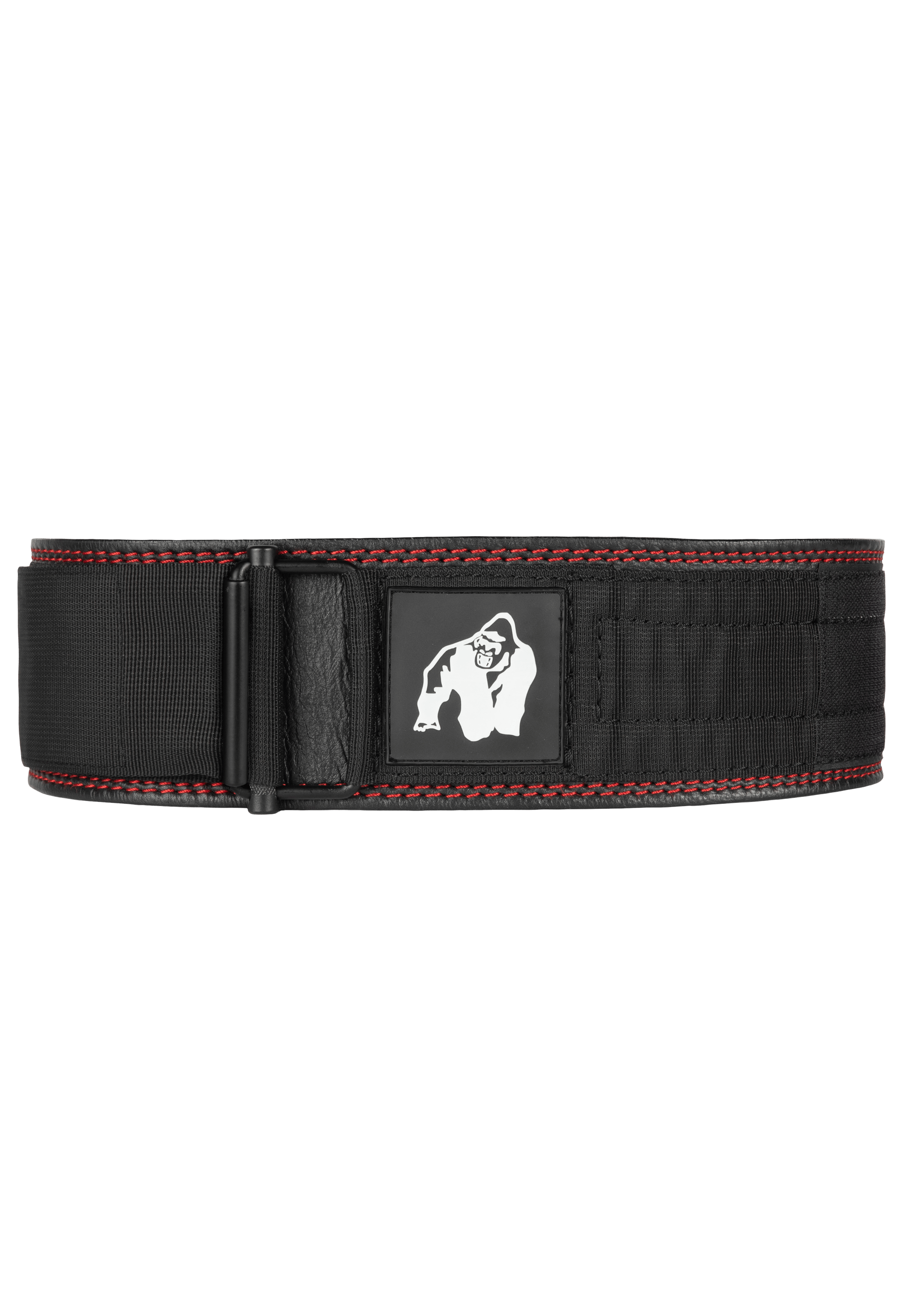
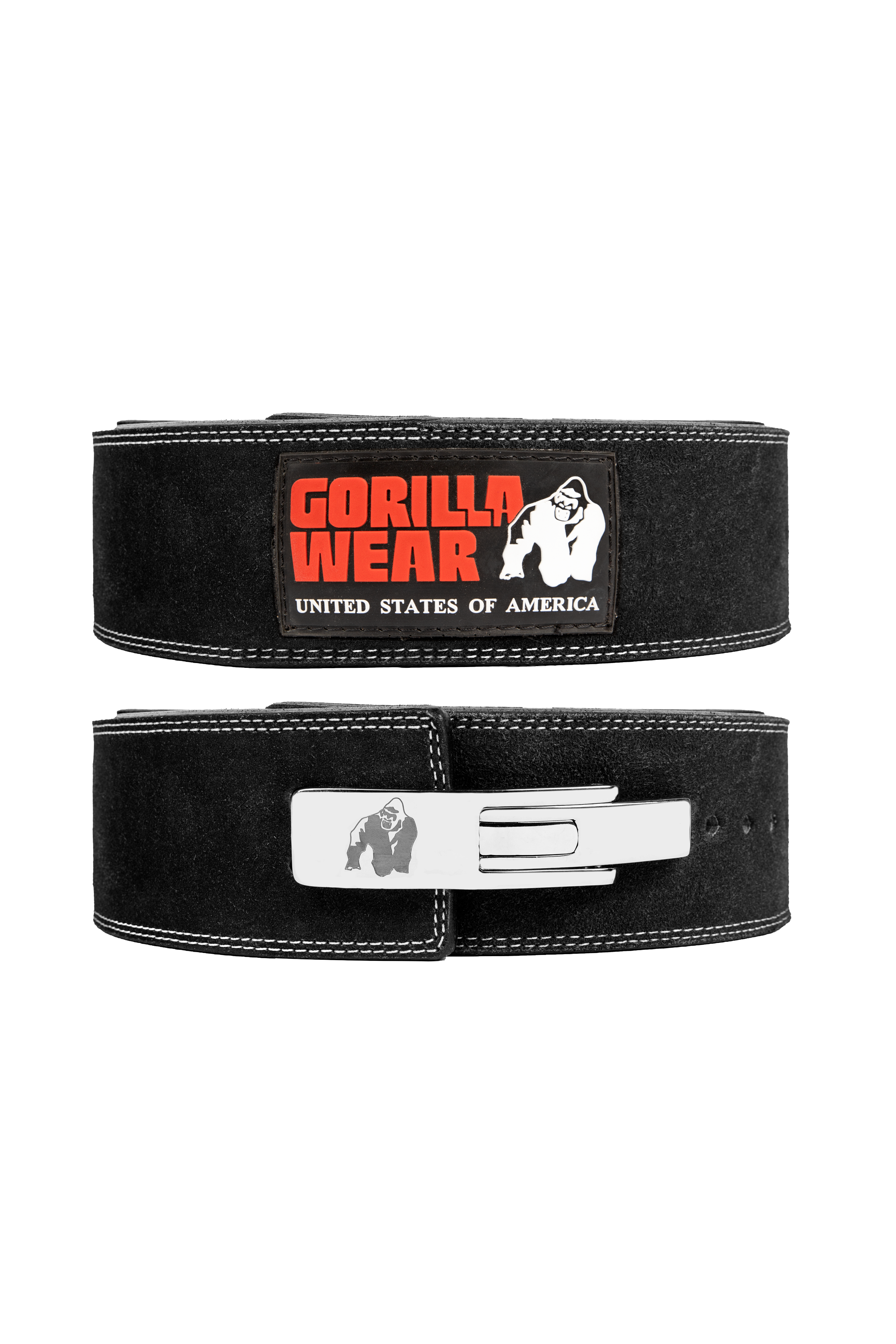
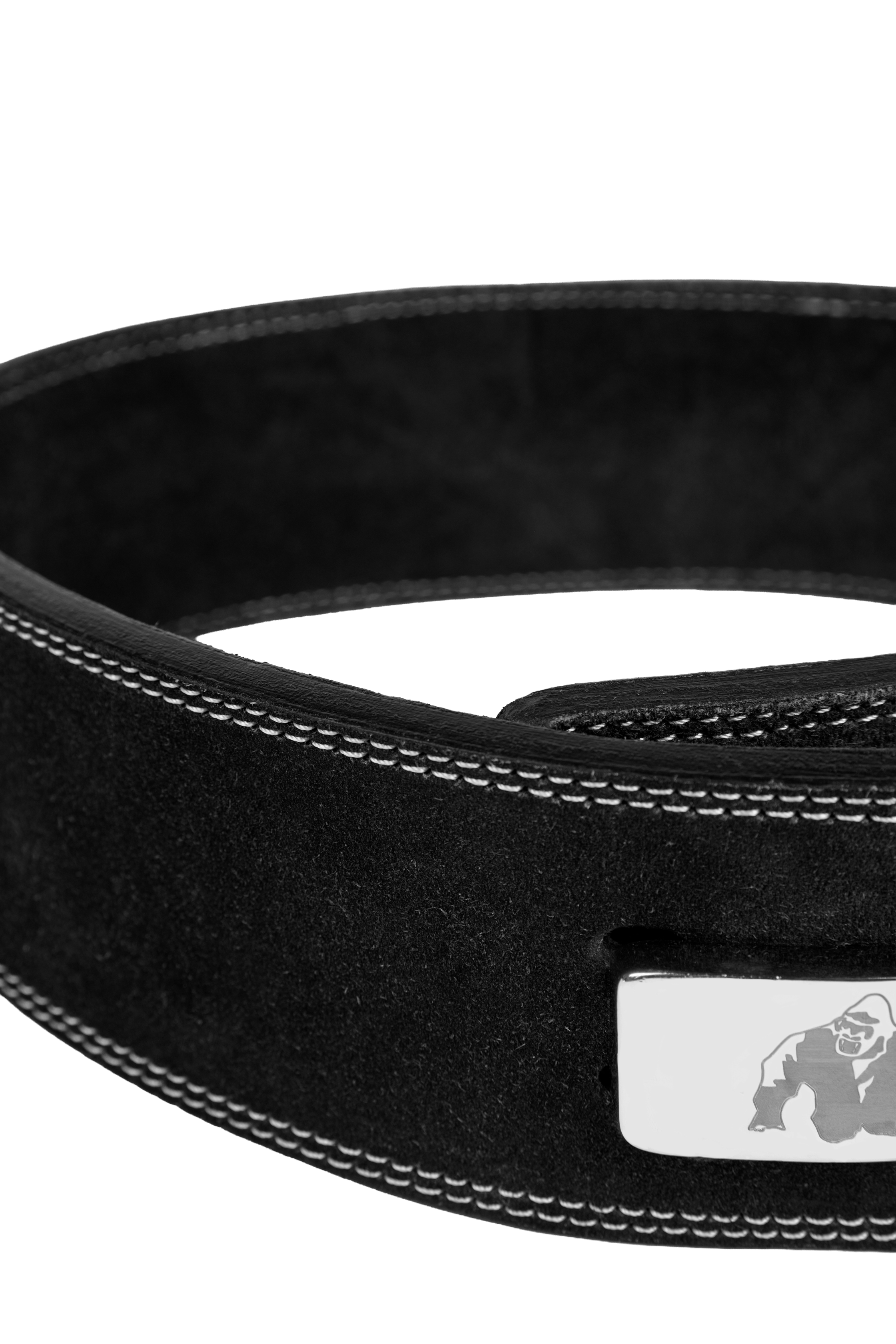
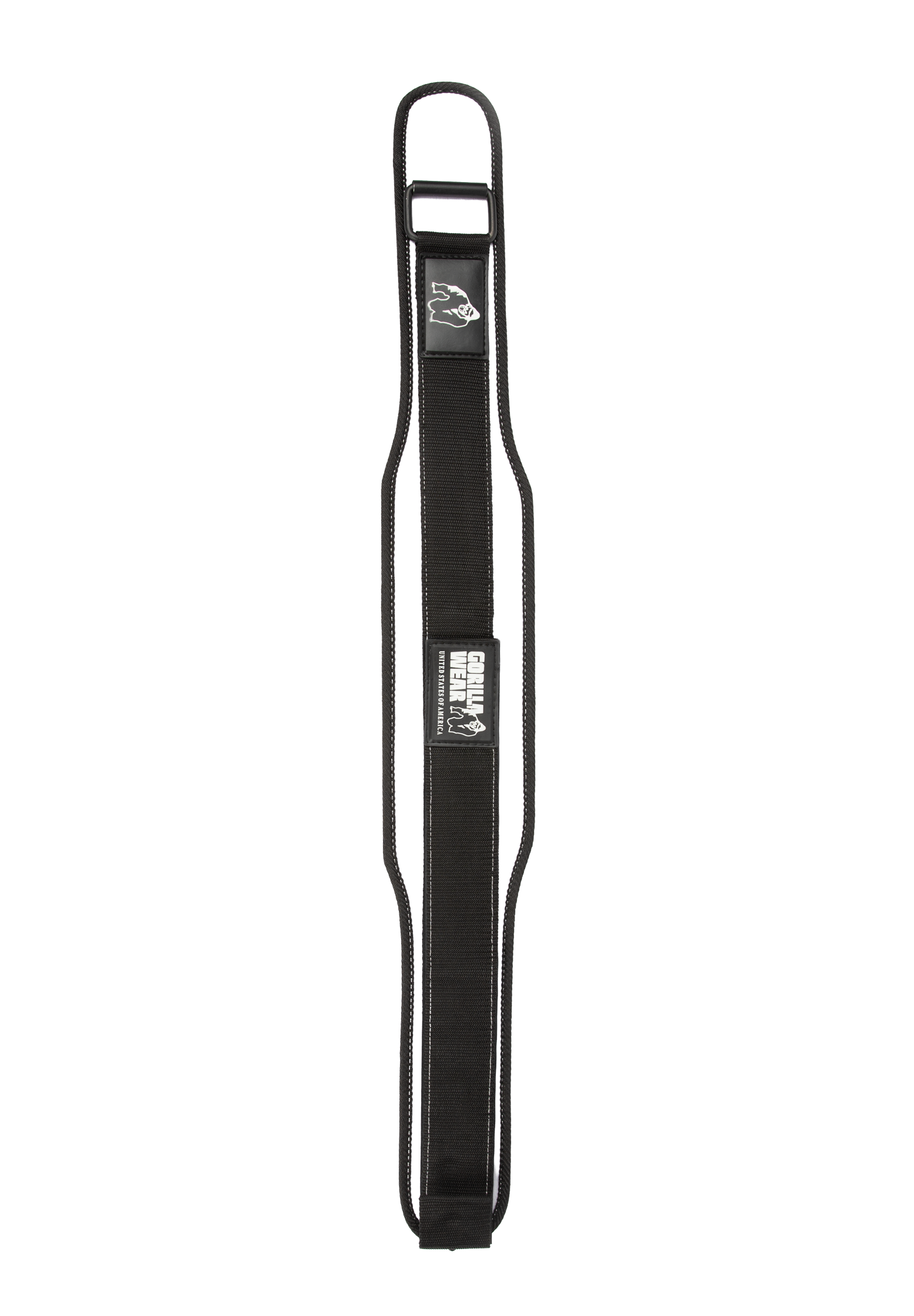
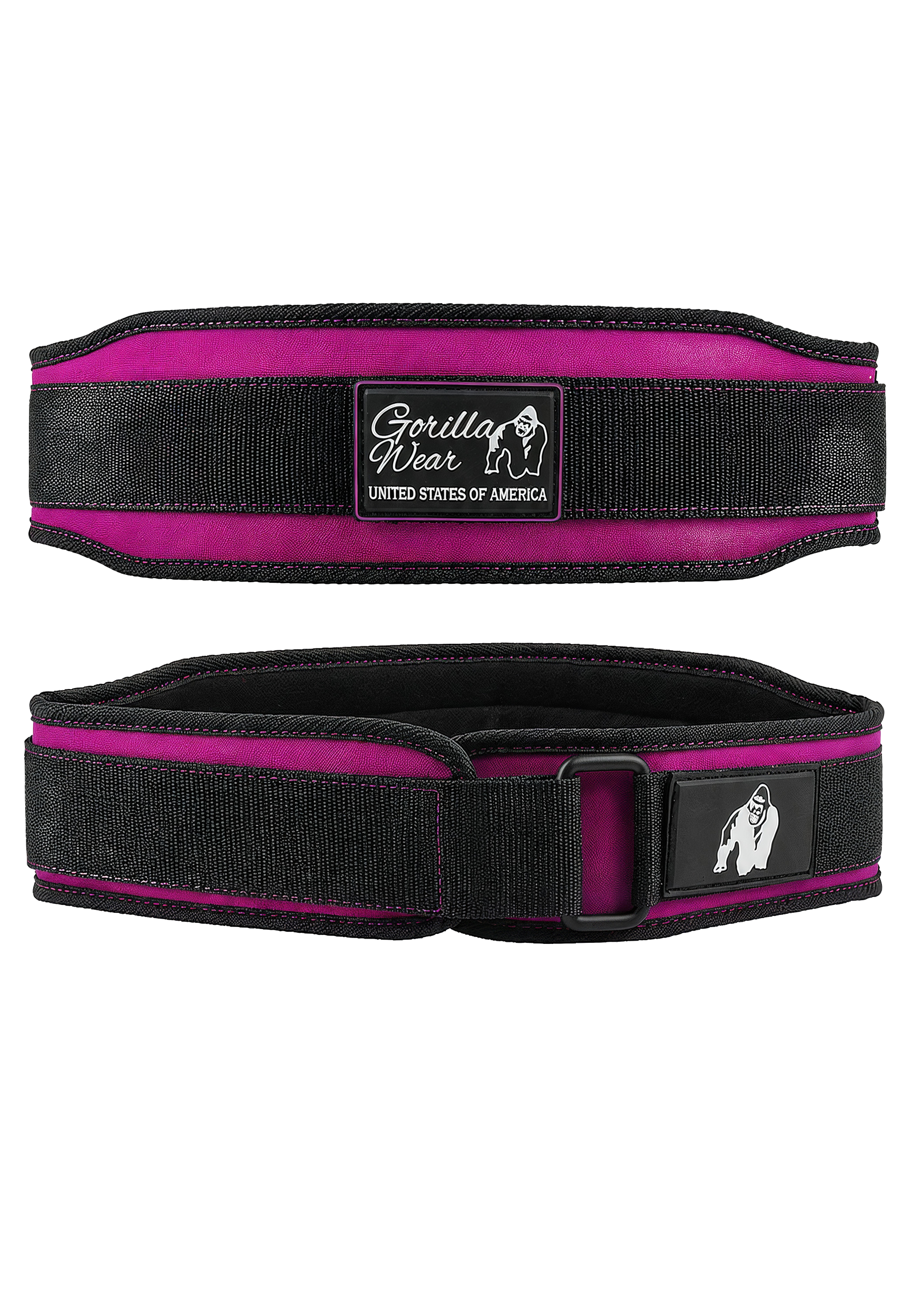
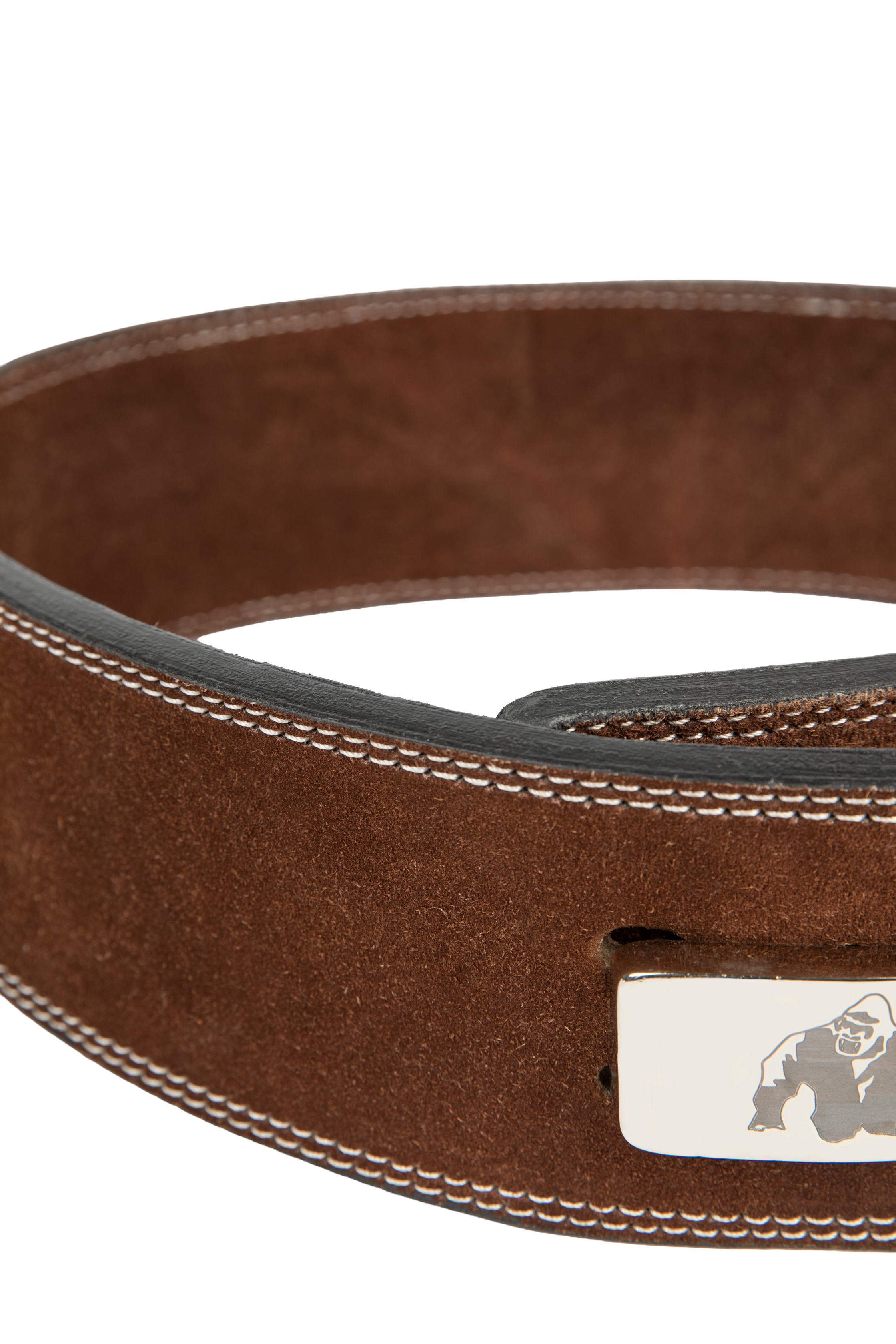
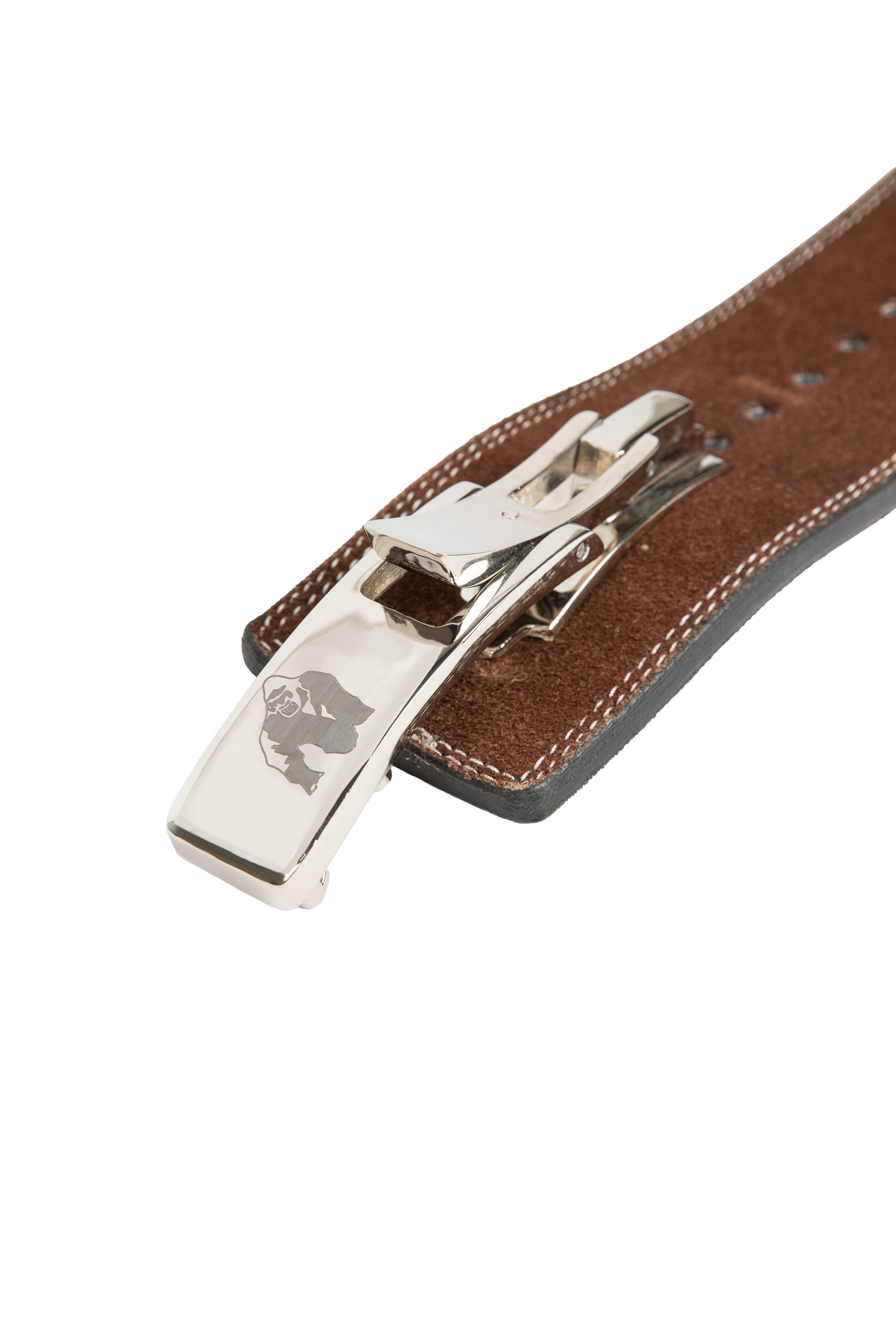
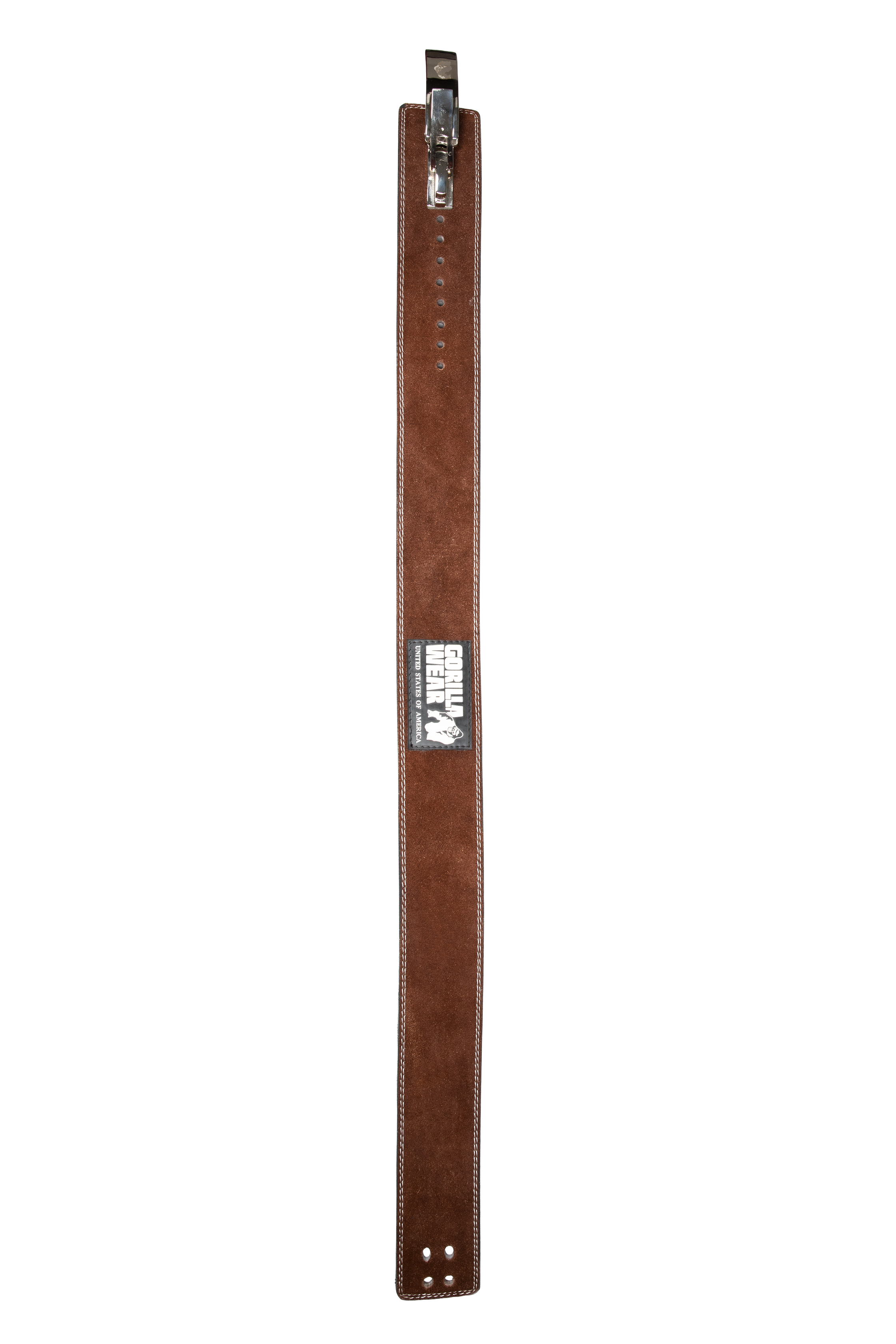
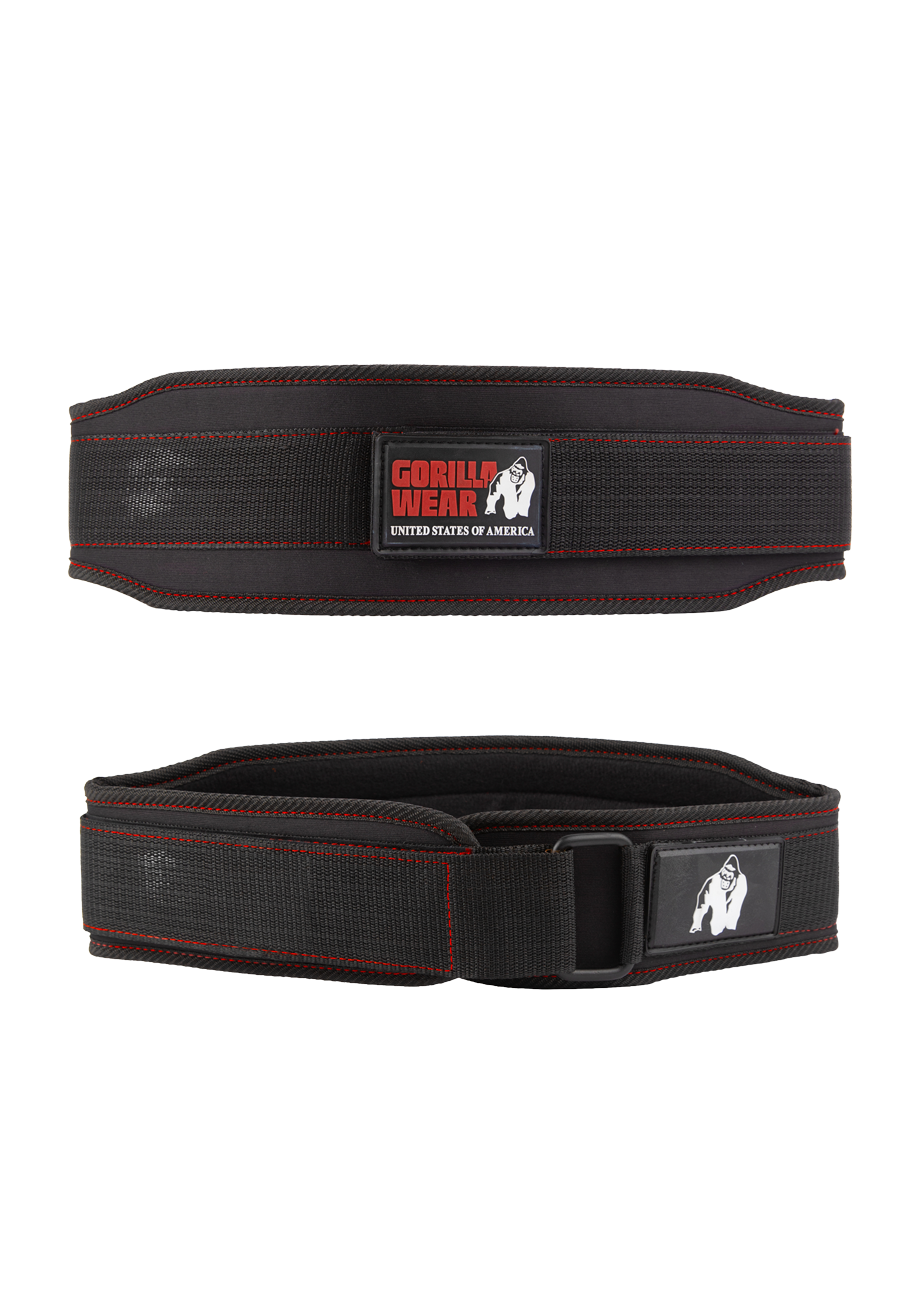
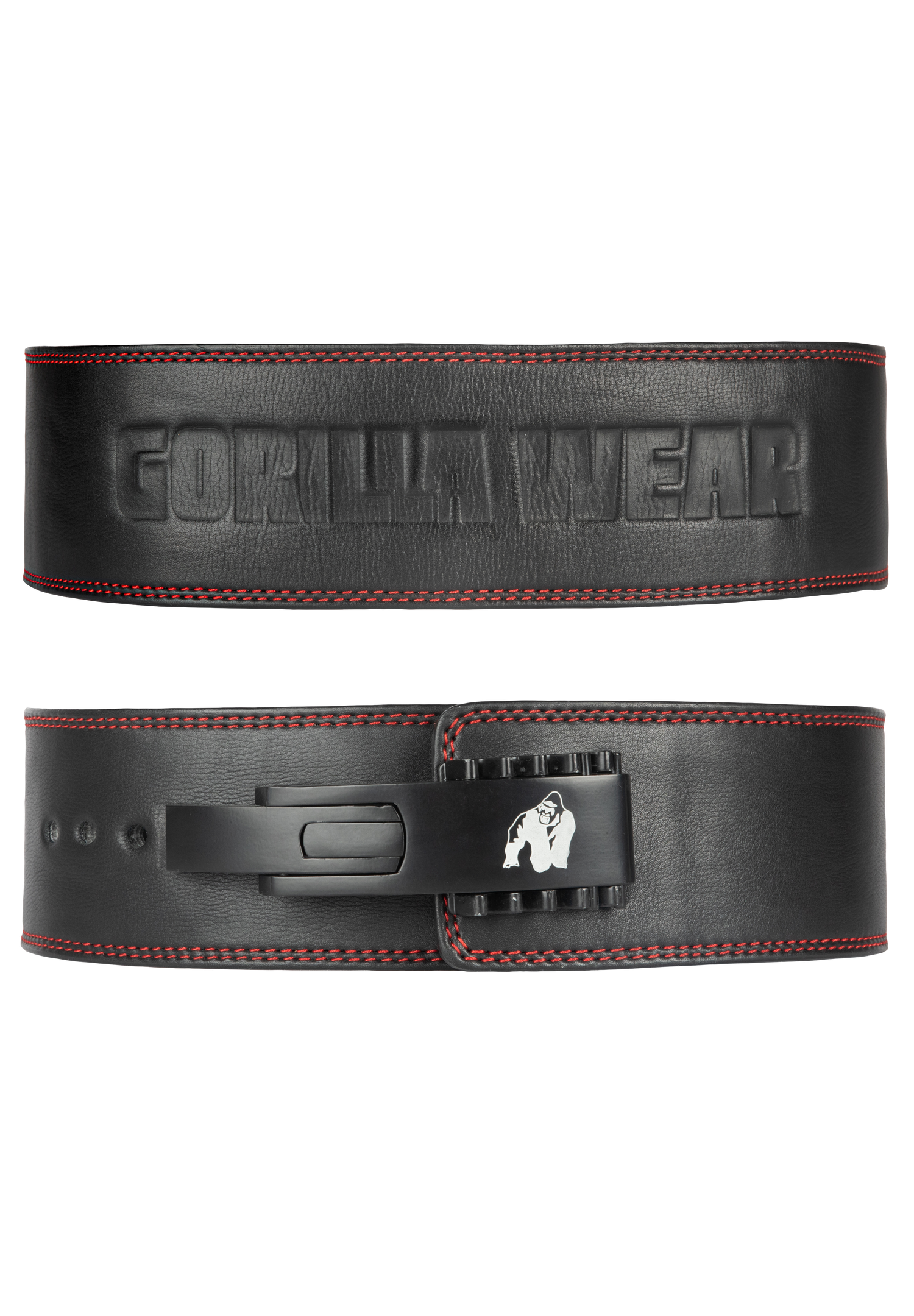
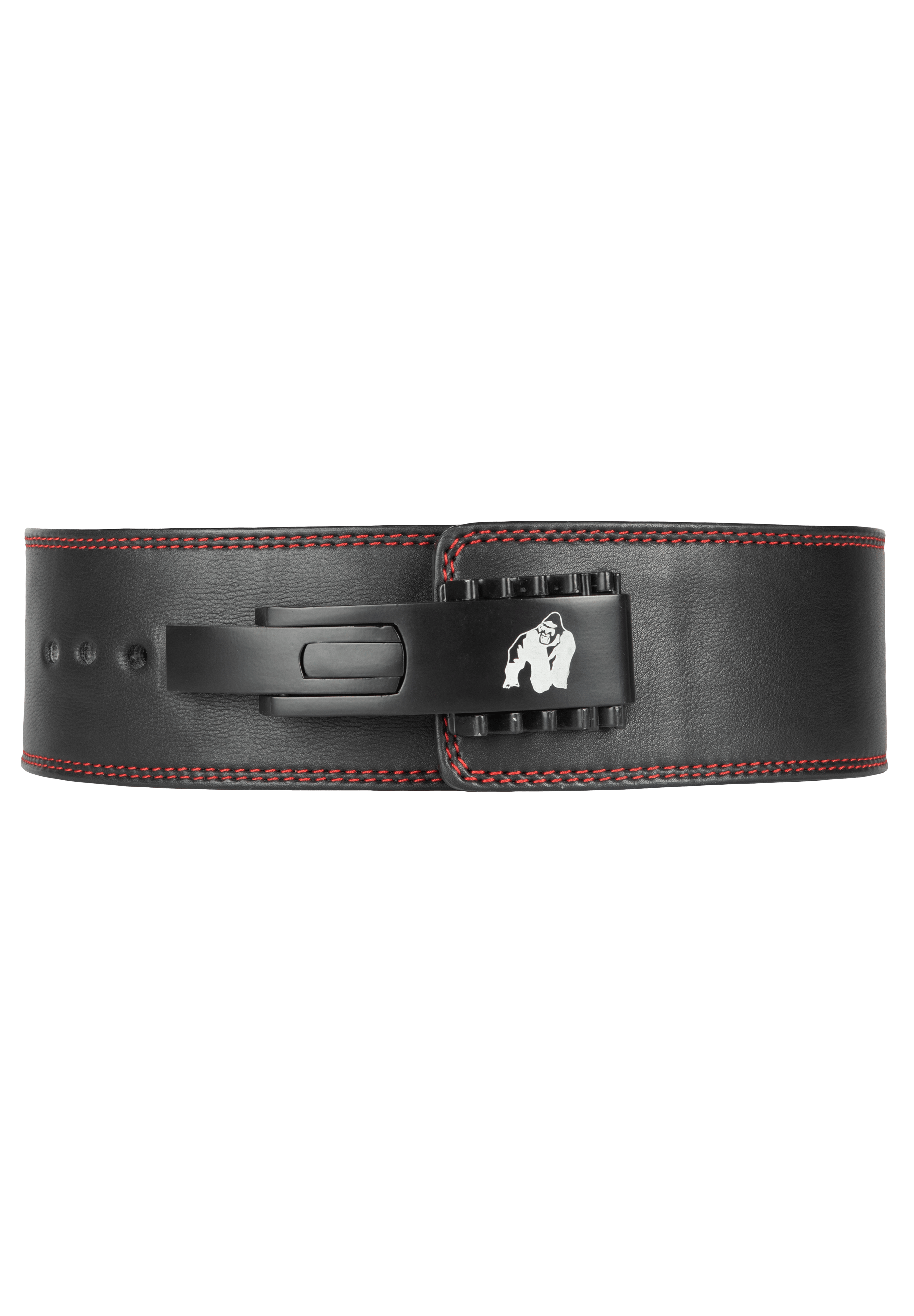
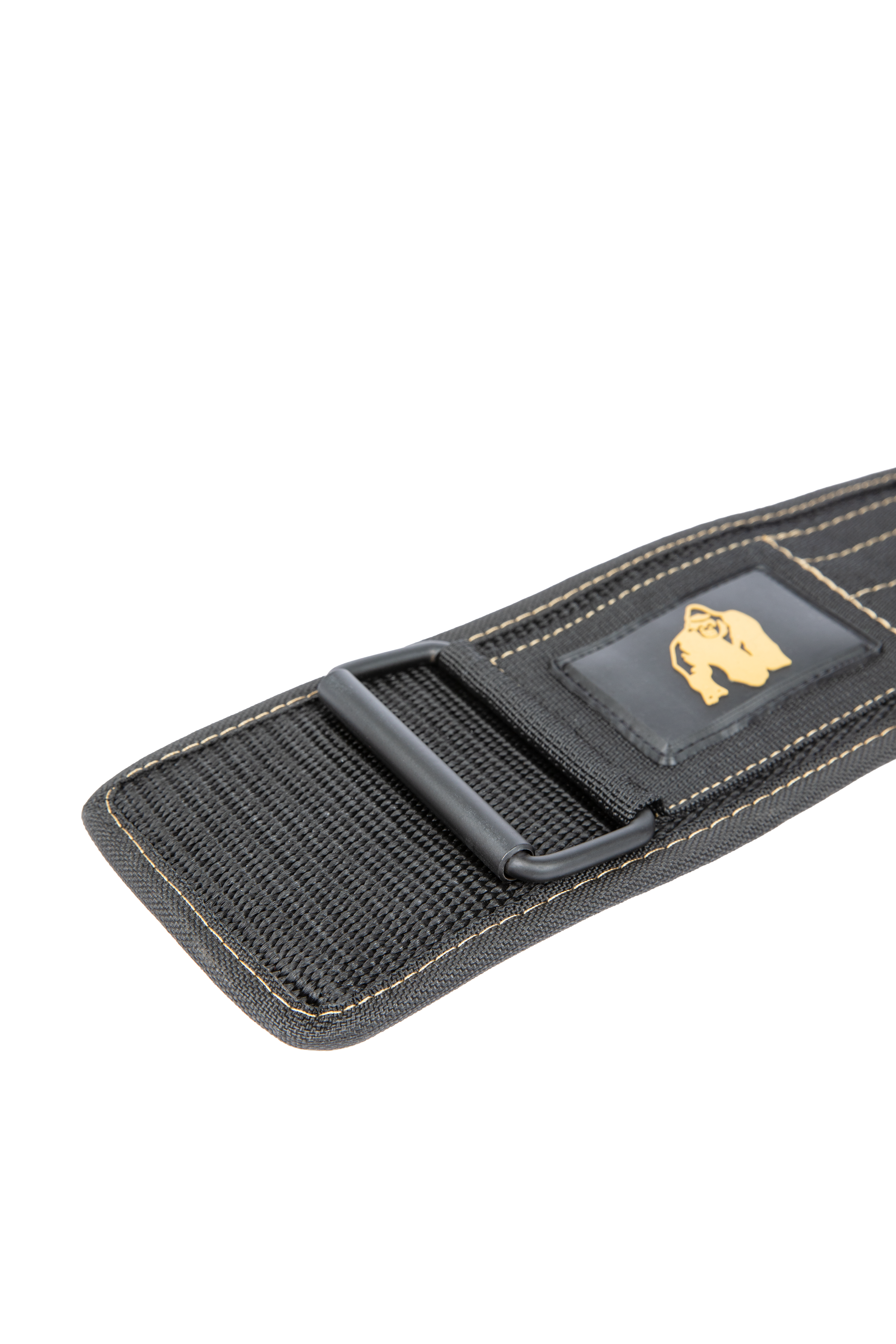
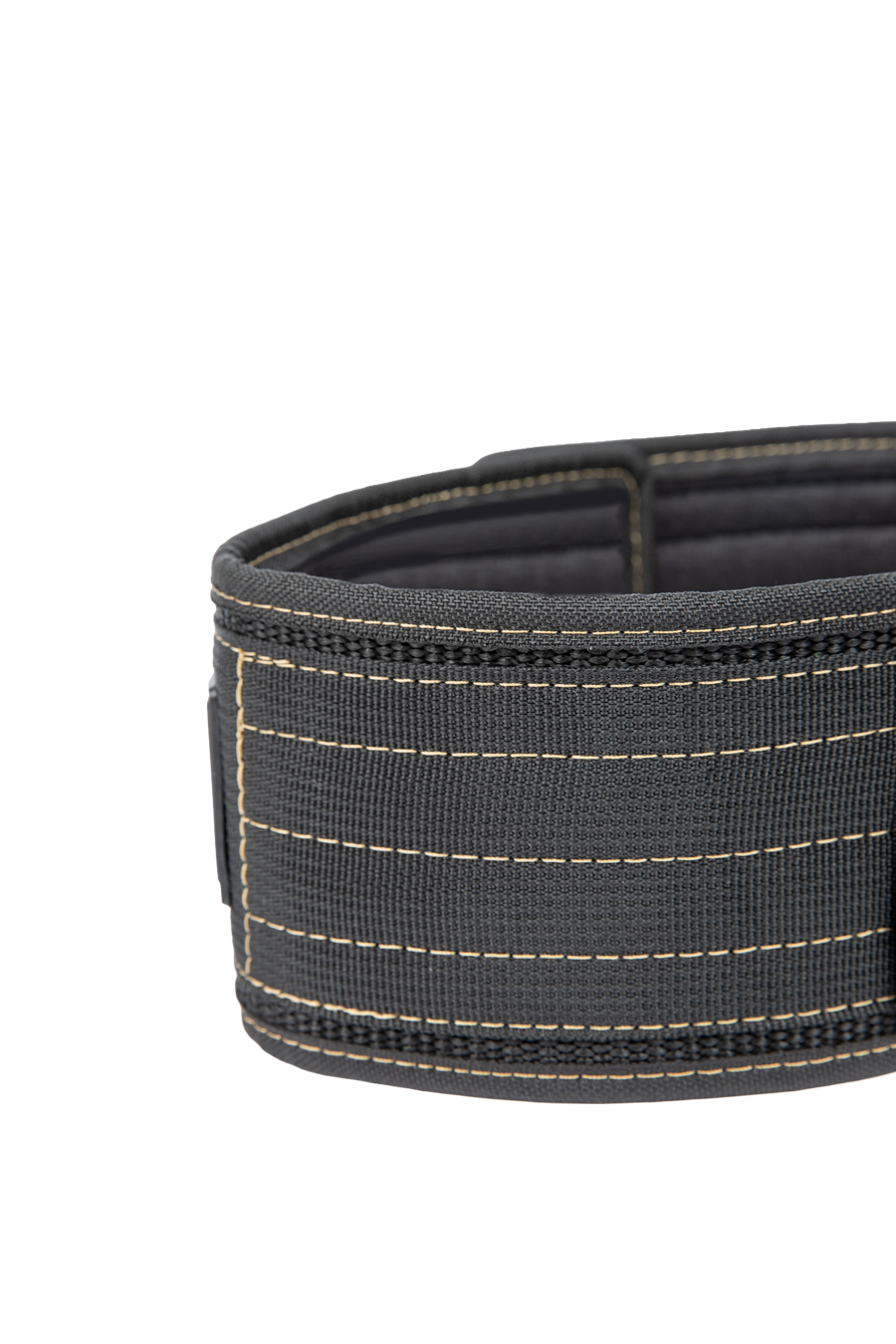
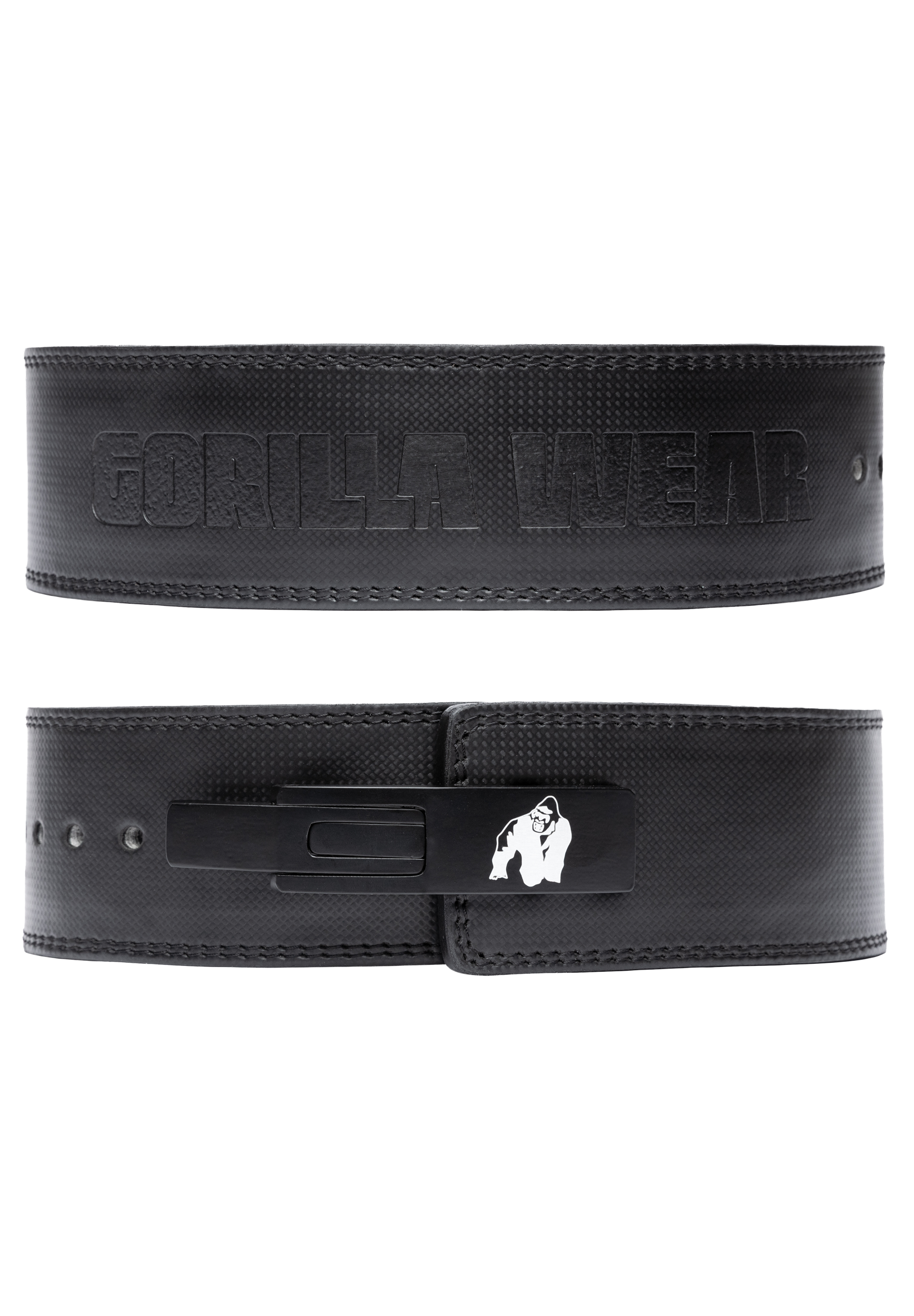
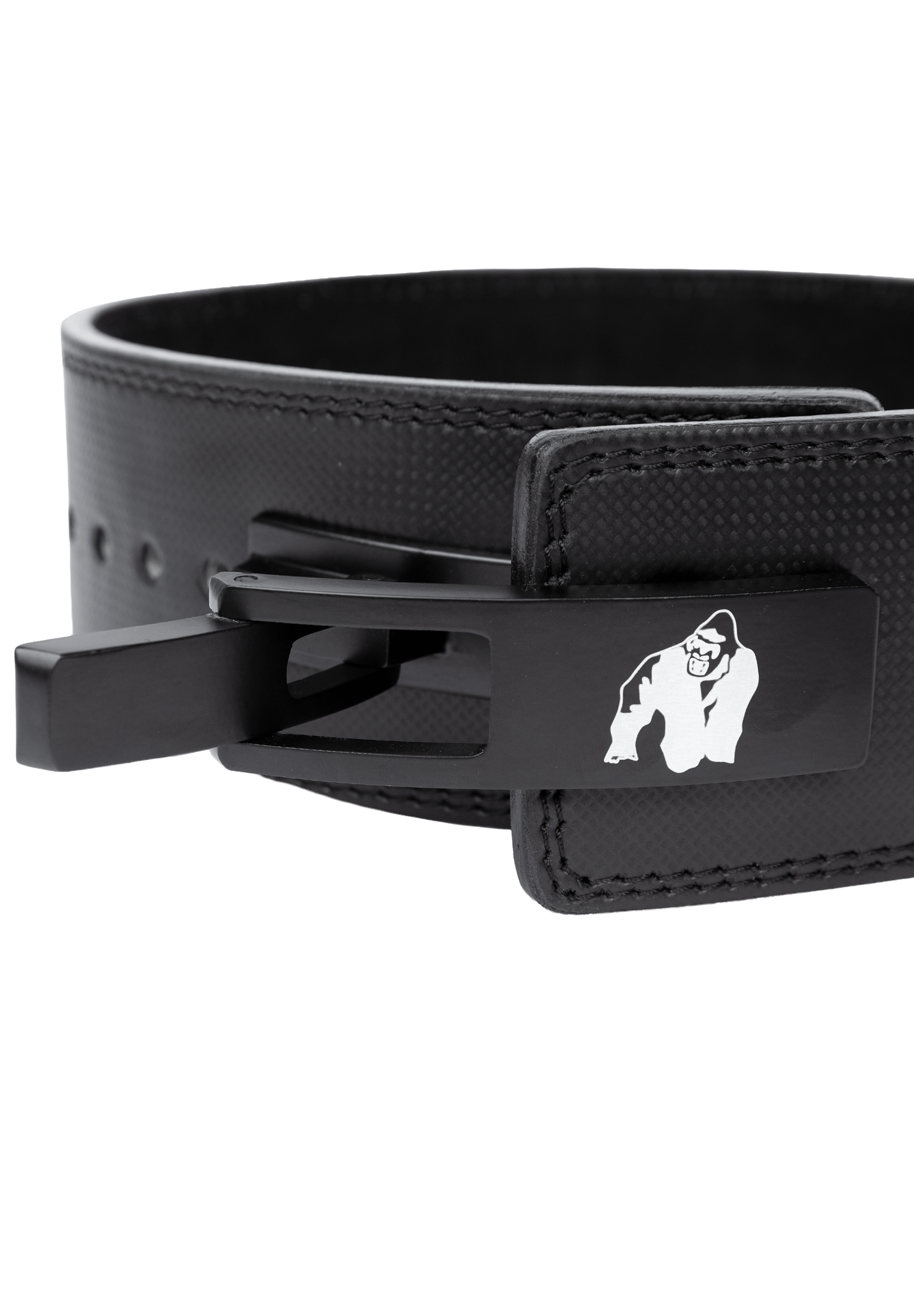
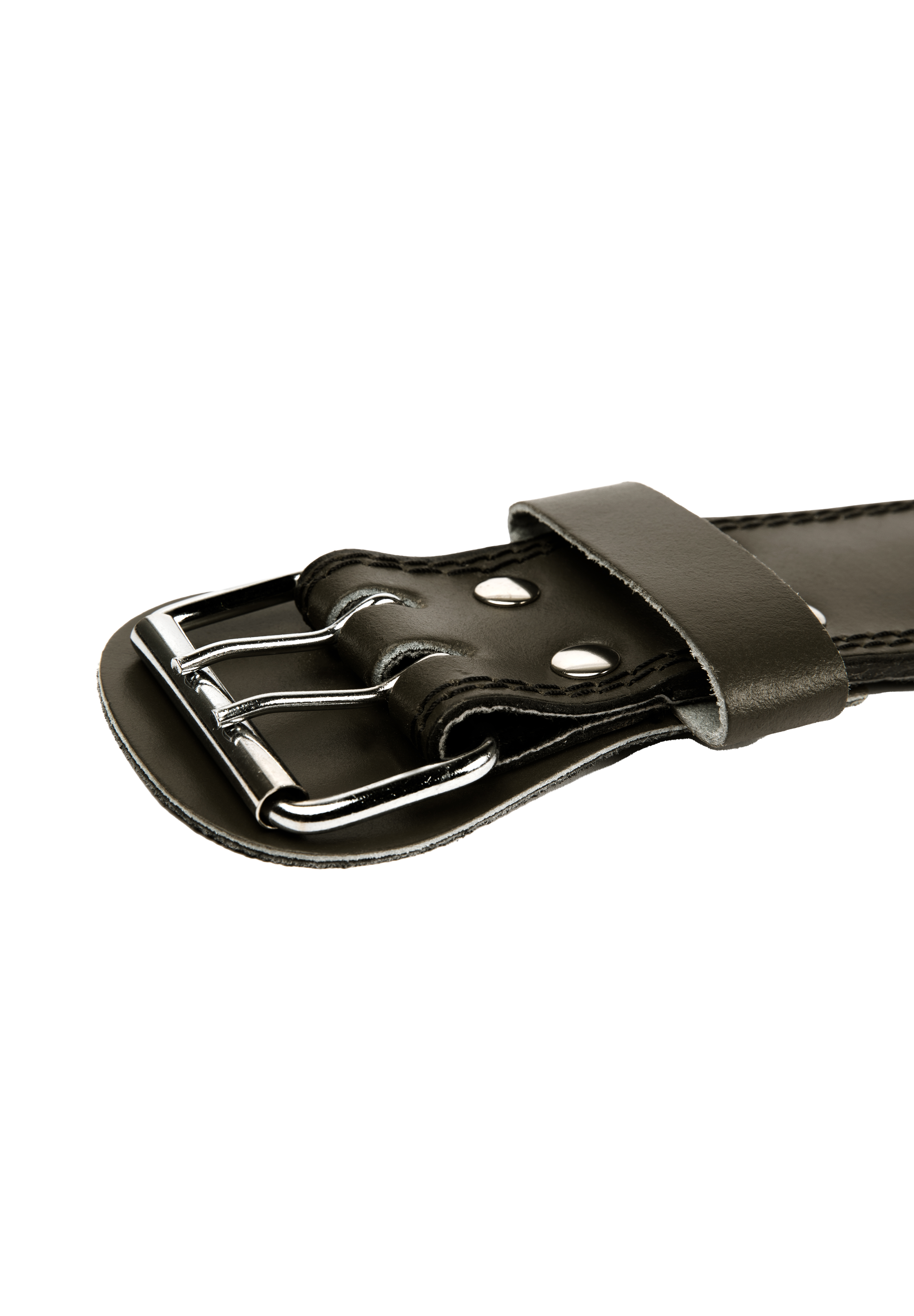
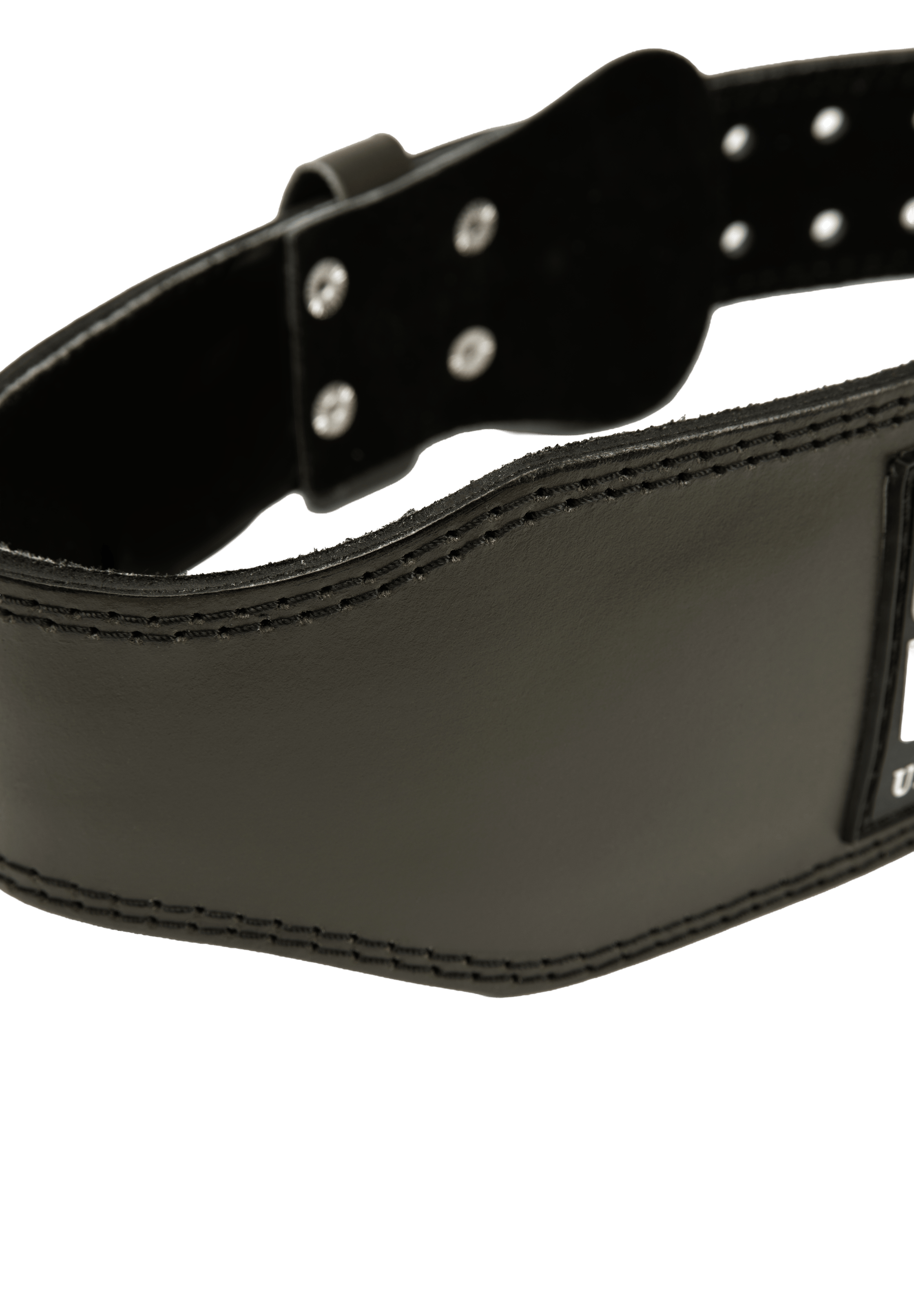
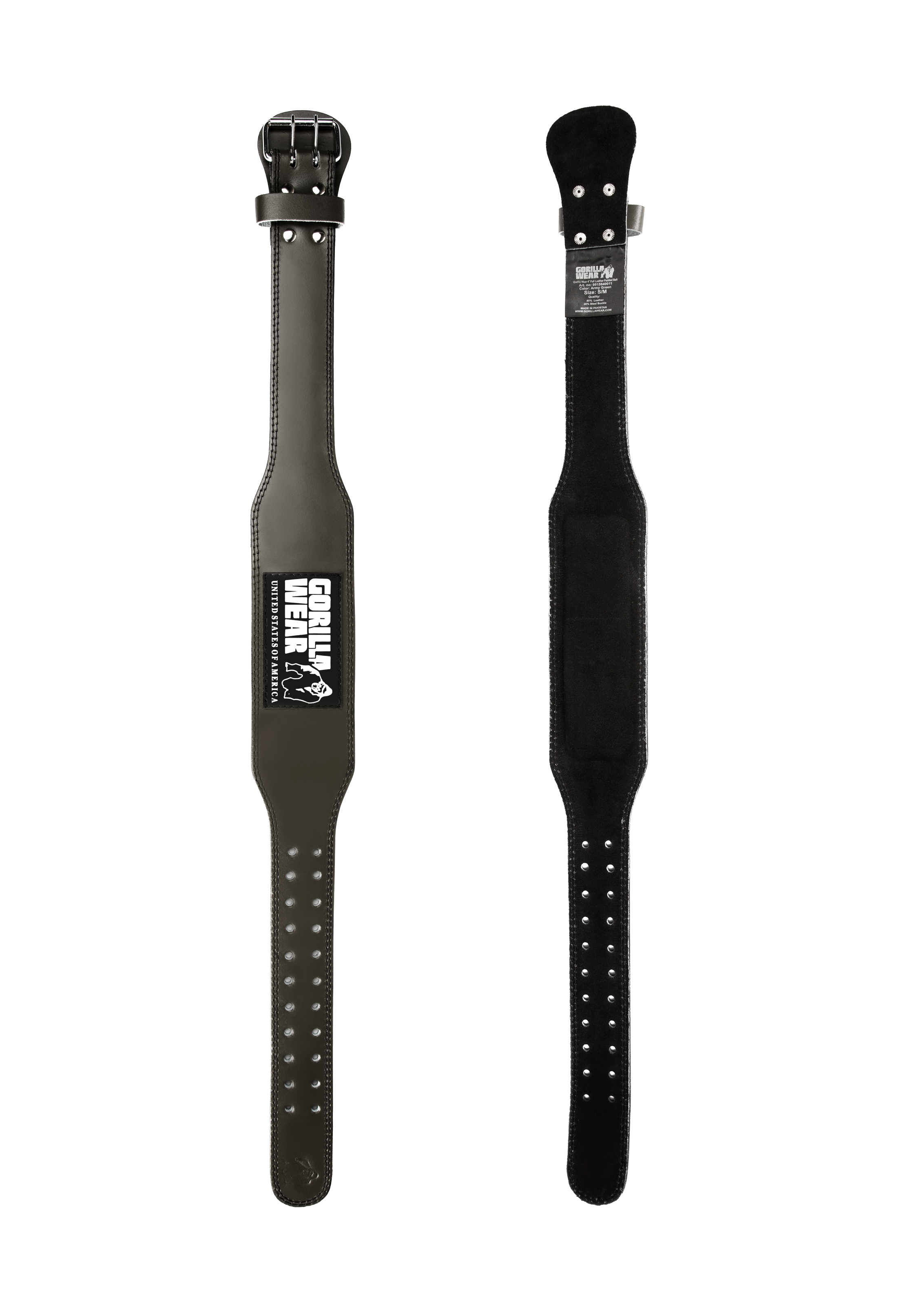
Cinture da sollevamento per squat, stacchi e allenamenti intensi
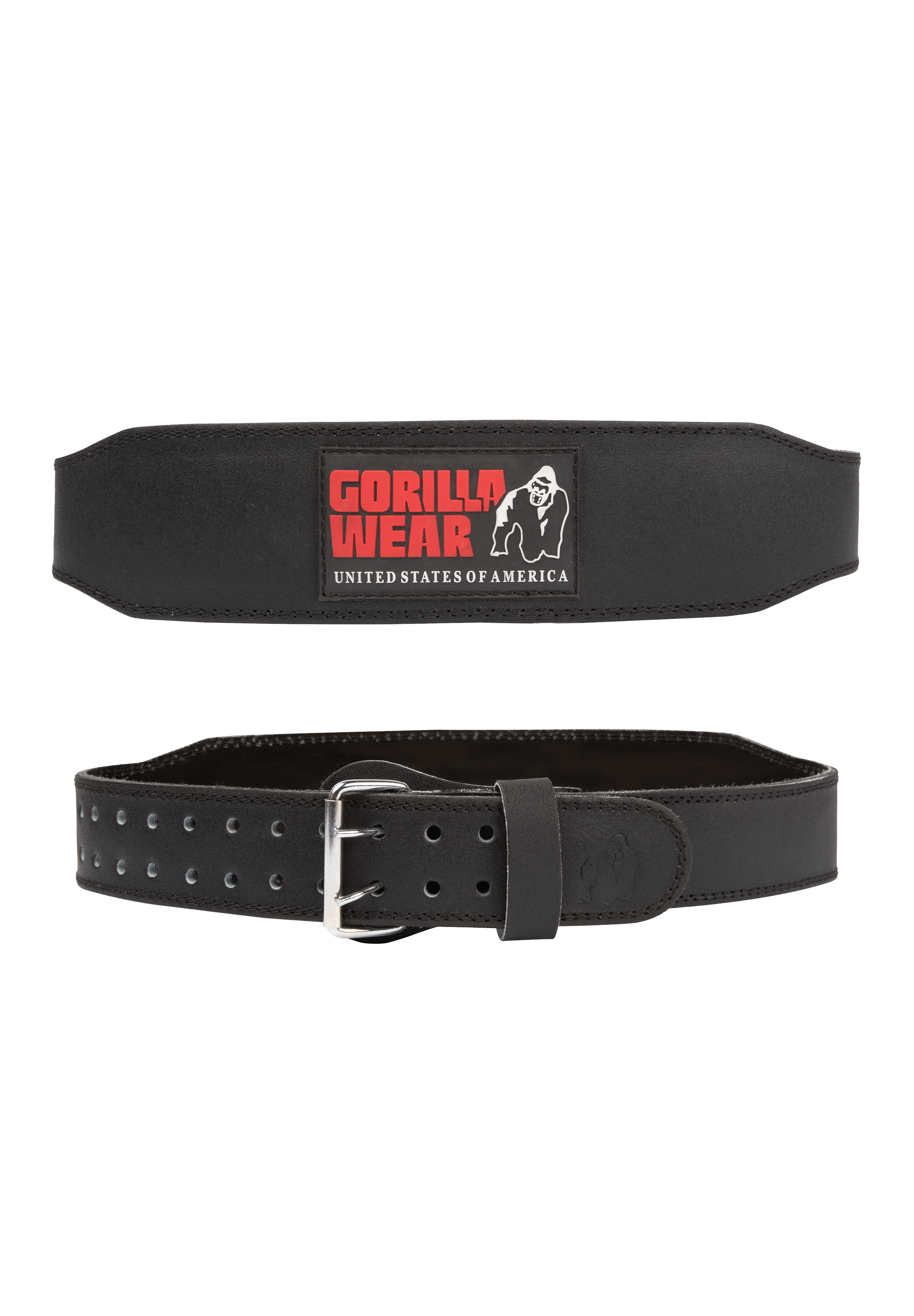
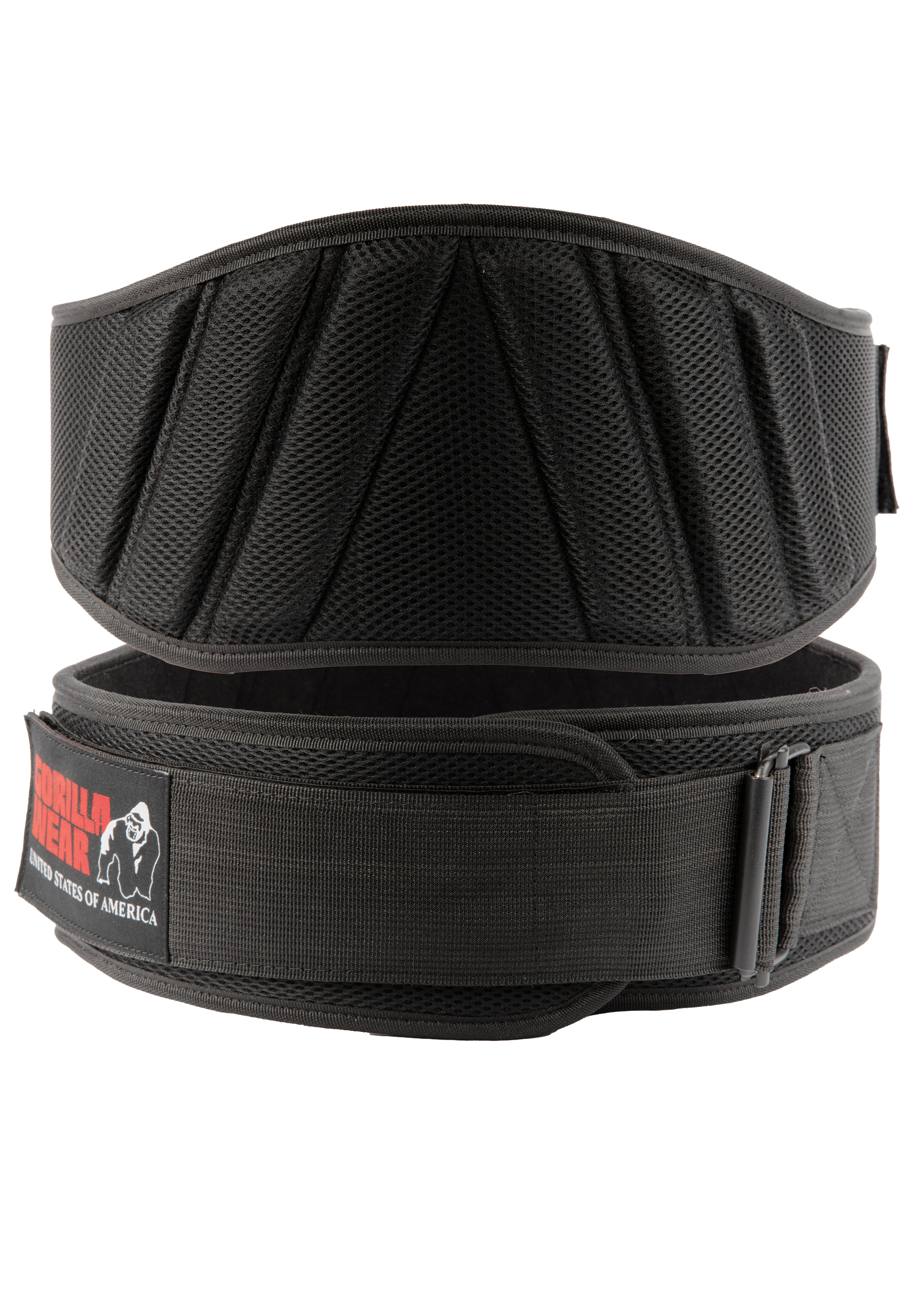
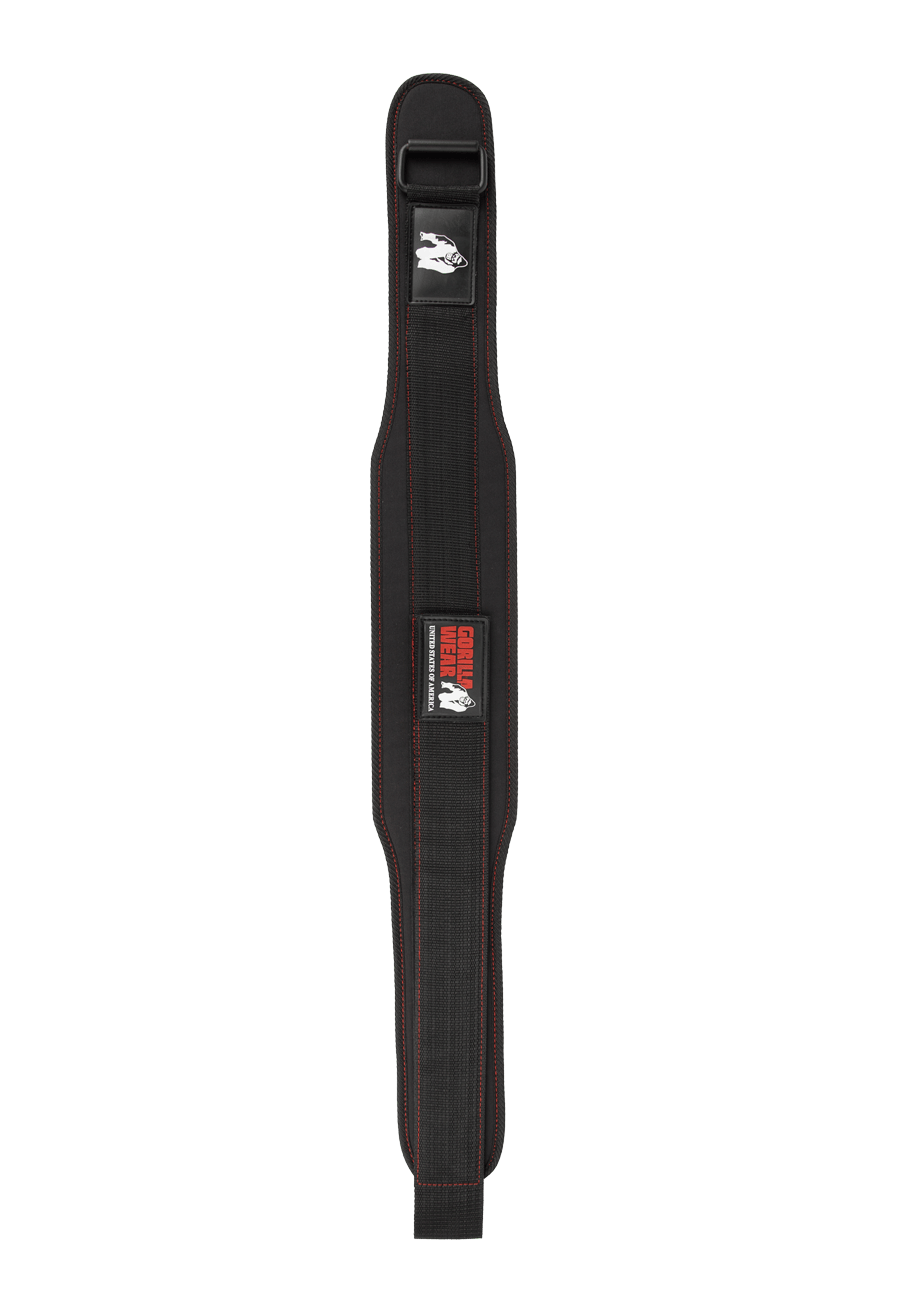
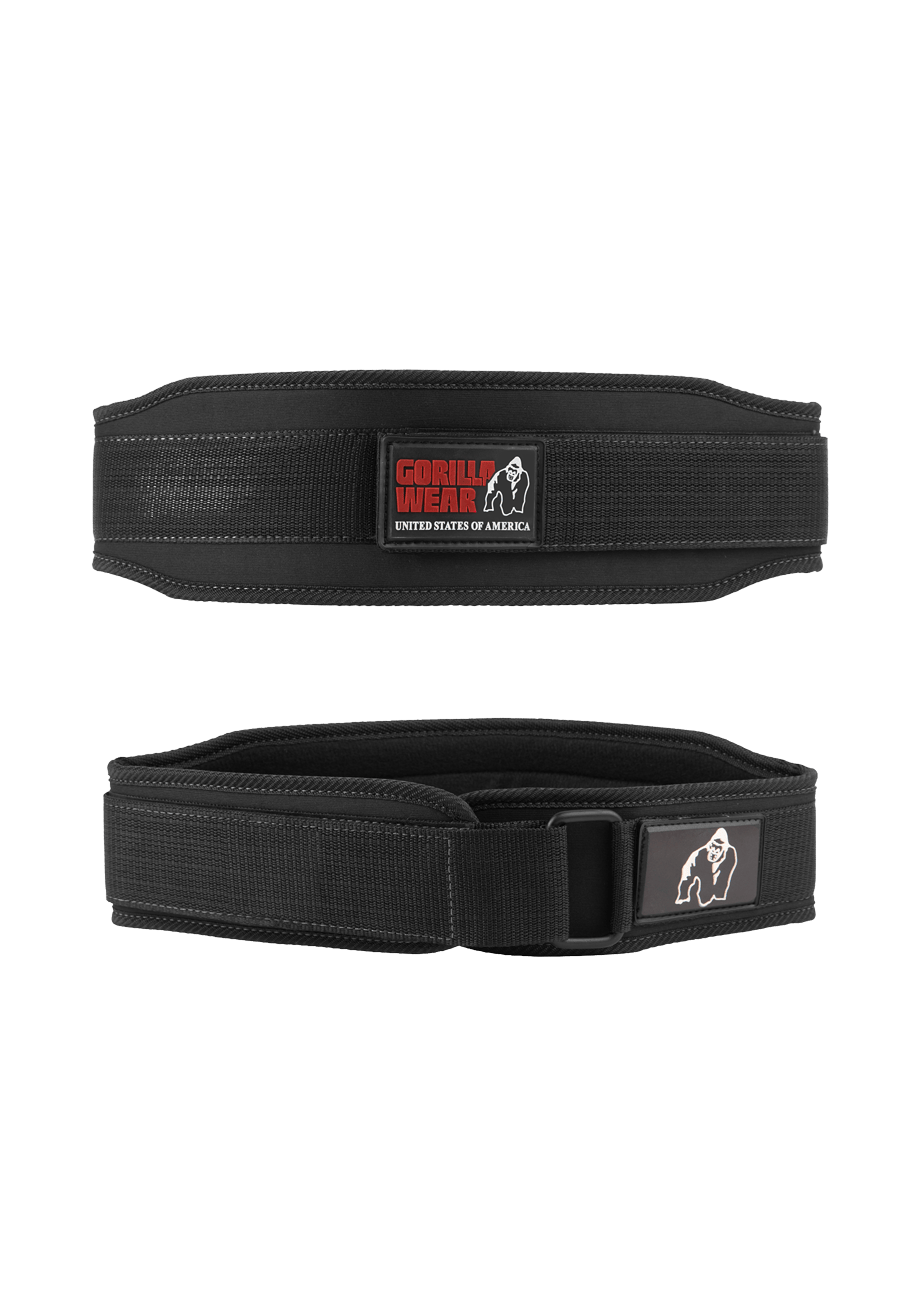
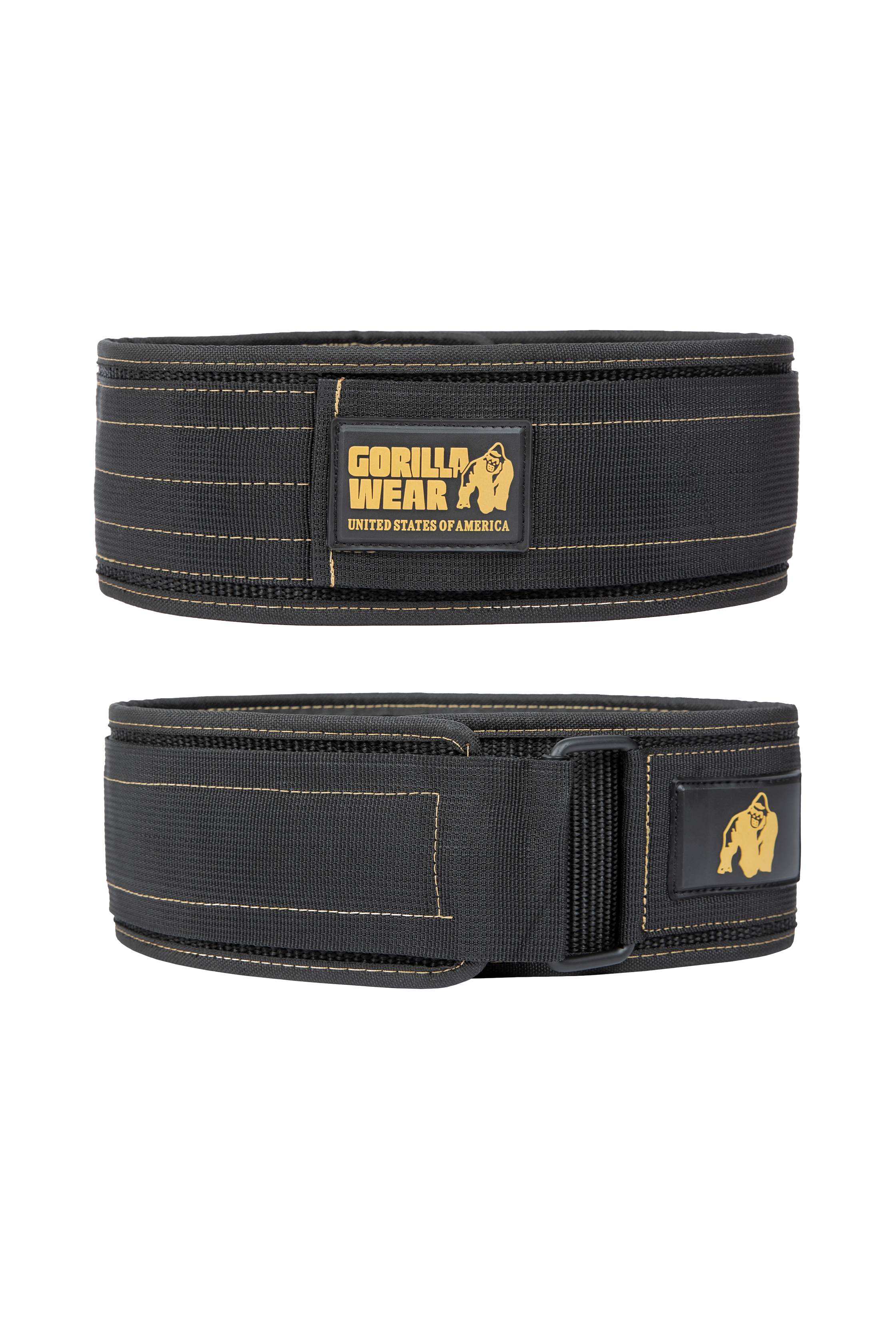
Scopri le cinture da sollevamento Gorilla Wear, progettate per offrire un maggiore supporto al core durante gli allenamenti di forza intensi.
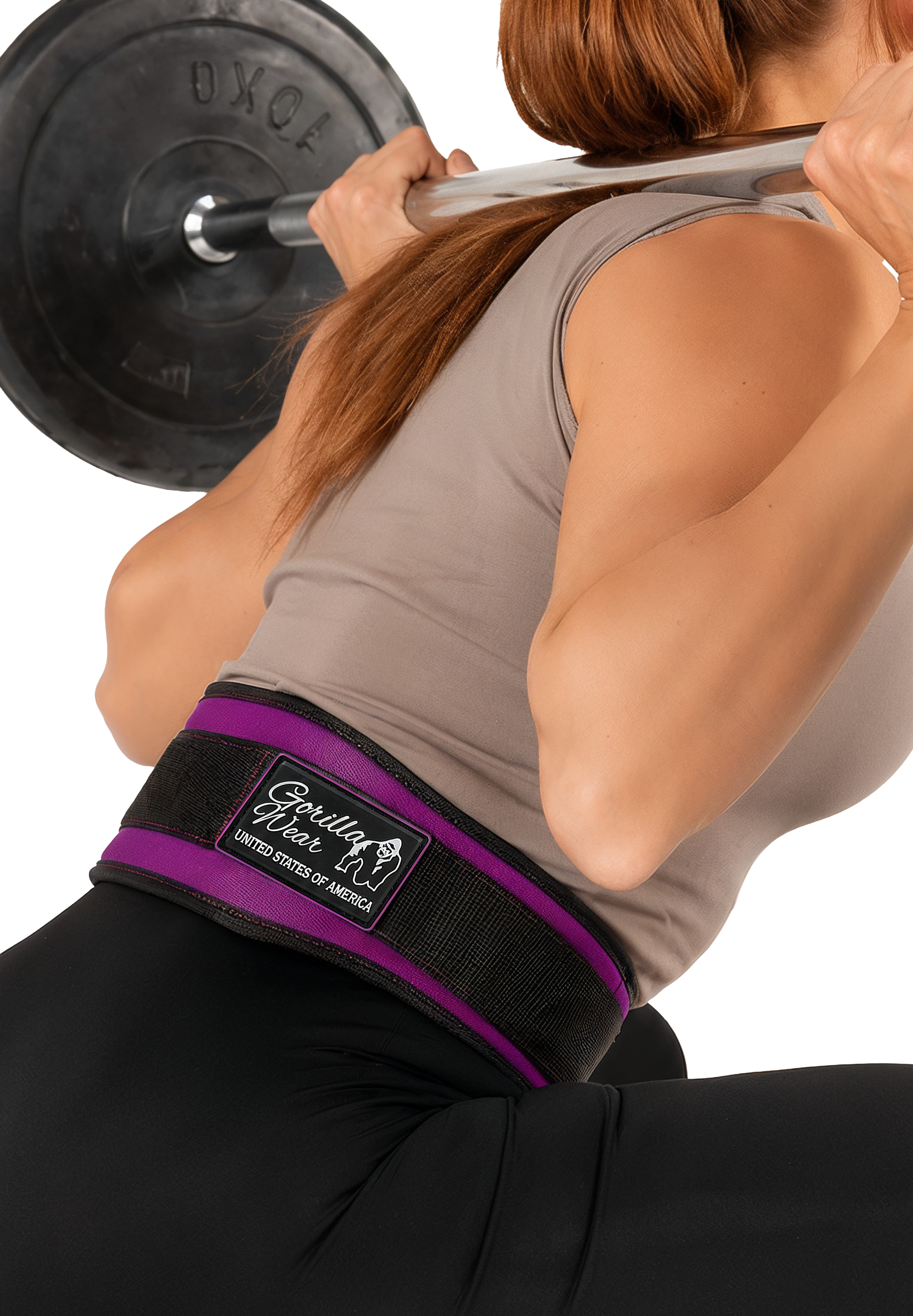
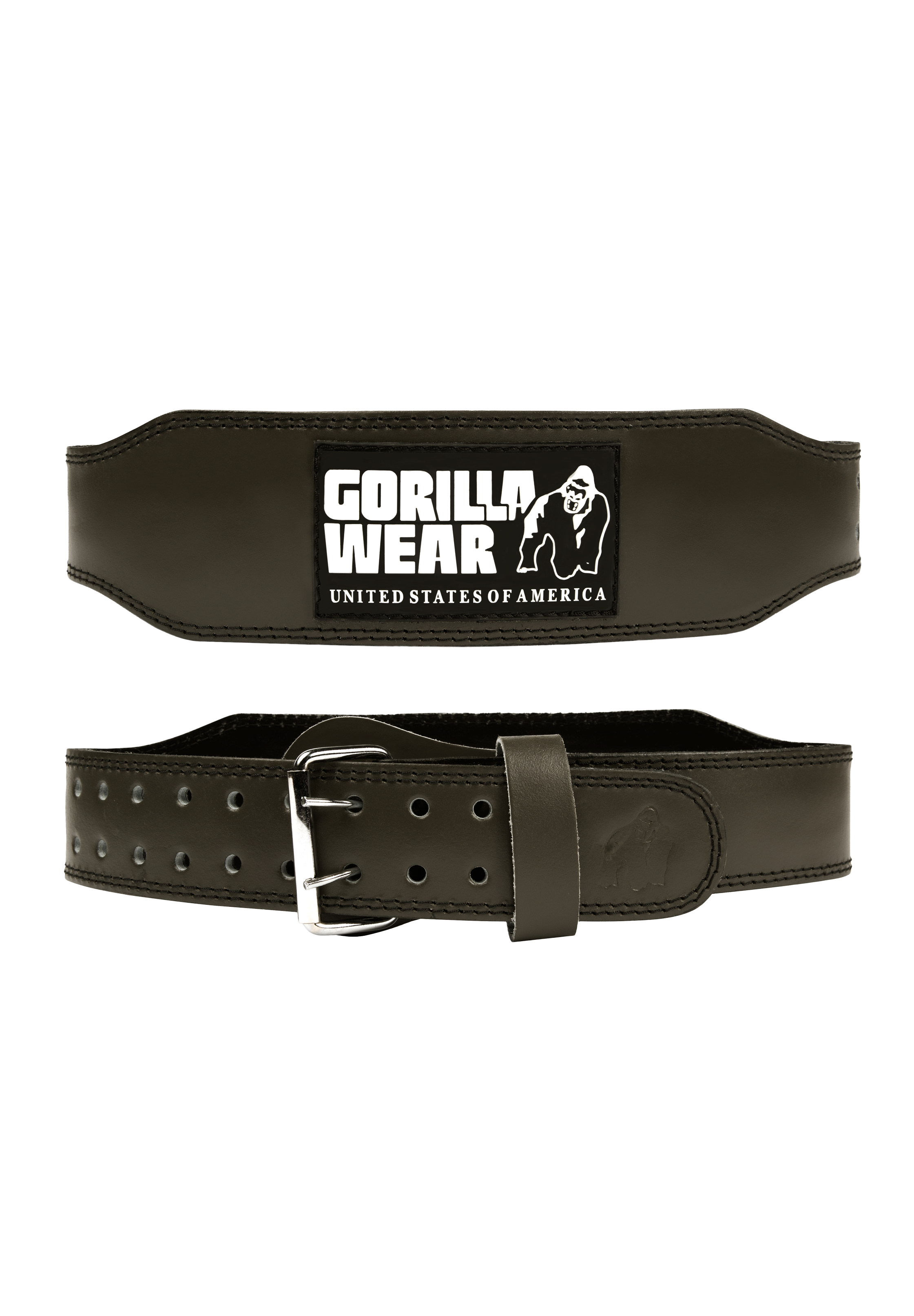
Una cintura da sollevamento può aiutarti a creare una maggiore pressione intra-addominale durante esercizi multiarticolari come squat e stacchi. Questo può migliorare la stabilità e aiutarti a mantenere una posizione controllata durante il sollevamento di carichi più pesanti. La cintura supporta la tecnica di stabilizzazione, ma non sostituisce il lavoro dei muscoli del core. Per un supporto aggiuntivo durante gli esercizi di trazione più intensi, puoi anche scoprire le nostre Cinghie e fasce da sollevamento.
Quando usare una cintura da sollevamento
Le cinture da sollevamento si usano comunemente durante i movimenti multiarticolari pesanti e le serie di lavoro ad alta intensità. Molti atleti indossano una cintura per squat, stacchi e spinte impegnativi, mentre si allenano senza durante il riscaldamento e gli esercizi complementari più leggeri.
La necessità di una cintura dipende dal tuo stile di allenamento, dalla tua esperienza e dalle tue preferenze personali. La tecnica corretta e una stabilizzazione efficace restano importanti con o senza supporto aggiuntivo. Per un supporto articolare extra durante gli allenamenti di forza più impegnativi, scopri le nostre Ginocchiere e gomitiere.
Scegliere la cintura da sollevamento giusta
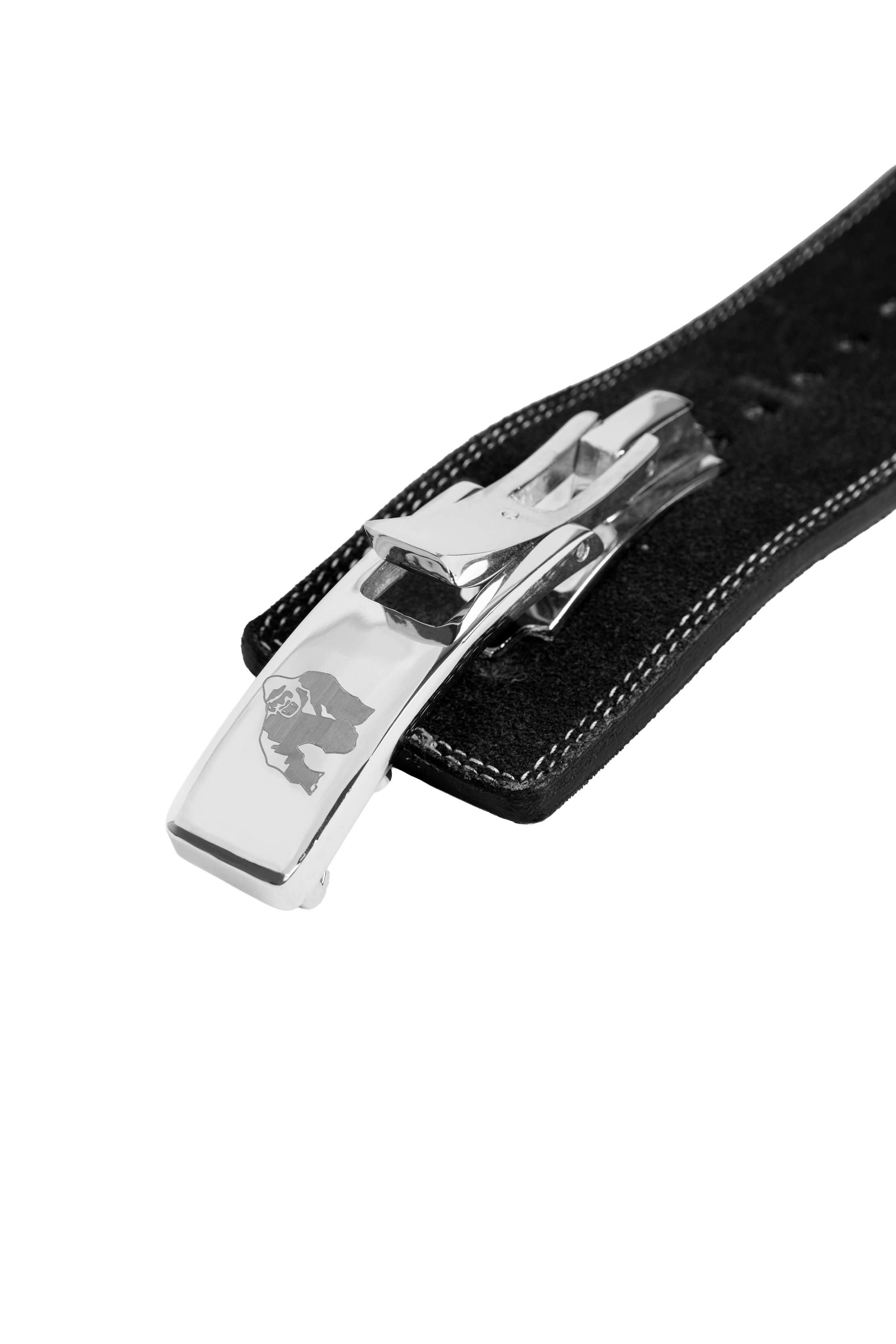
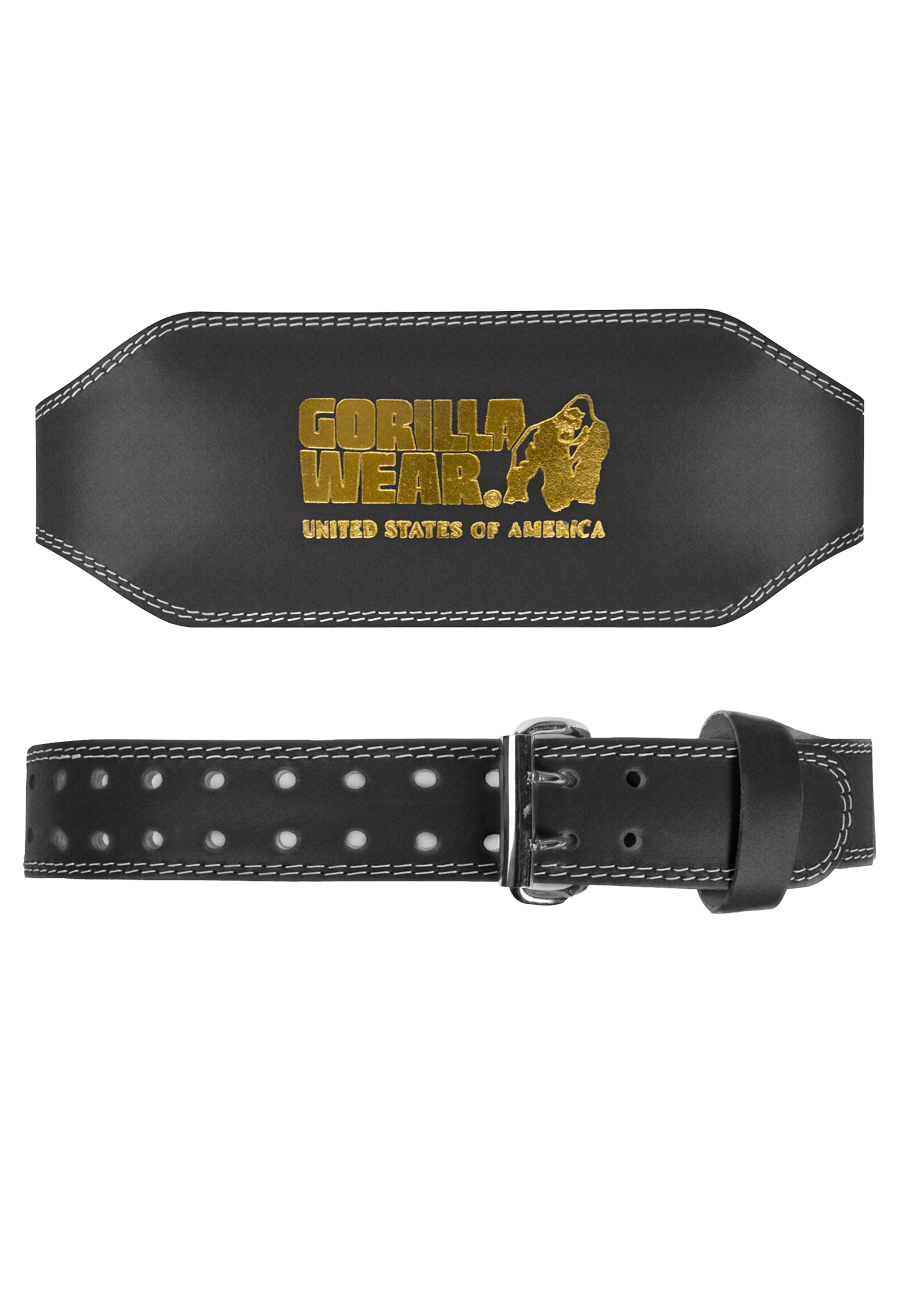
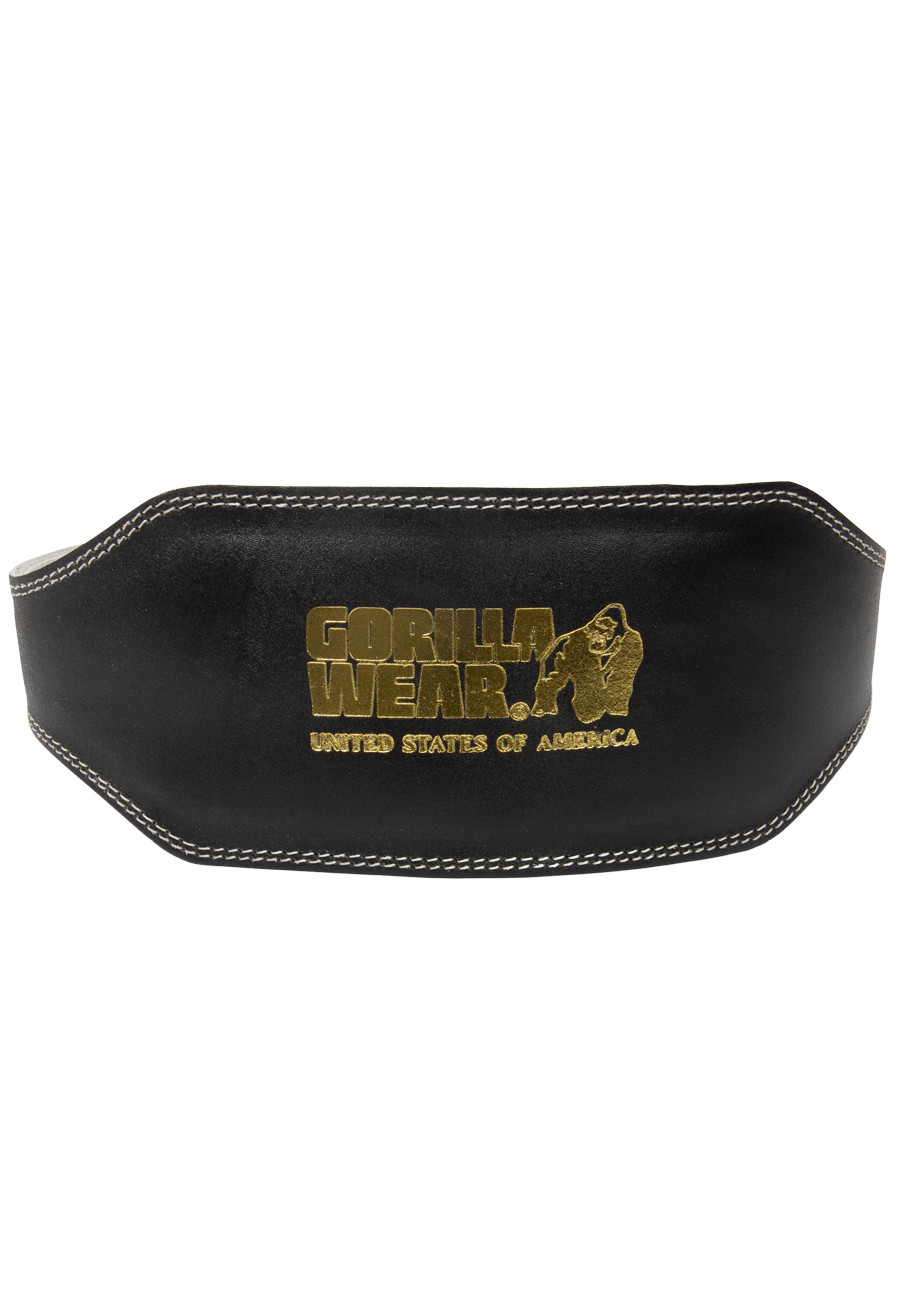
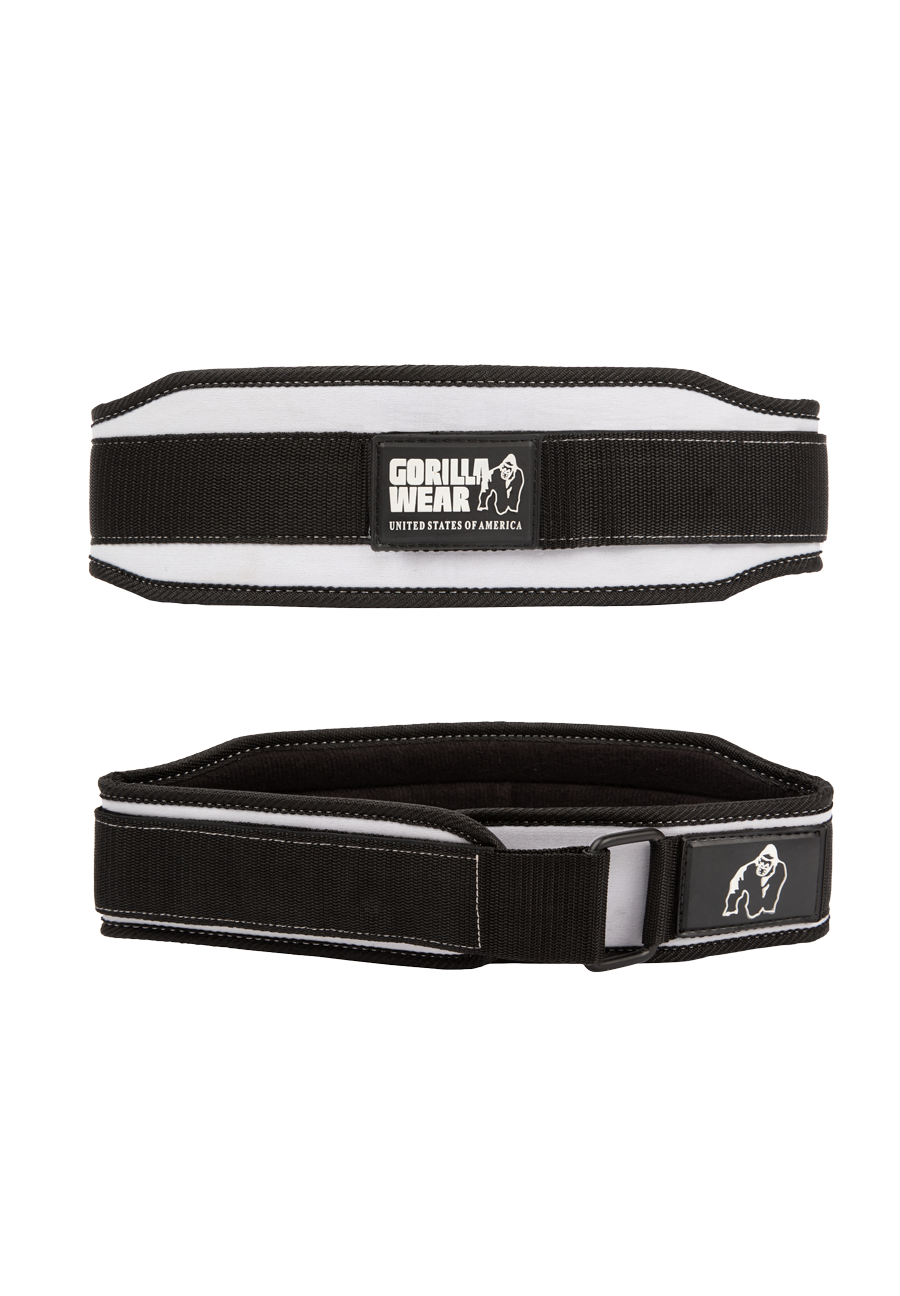
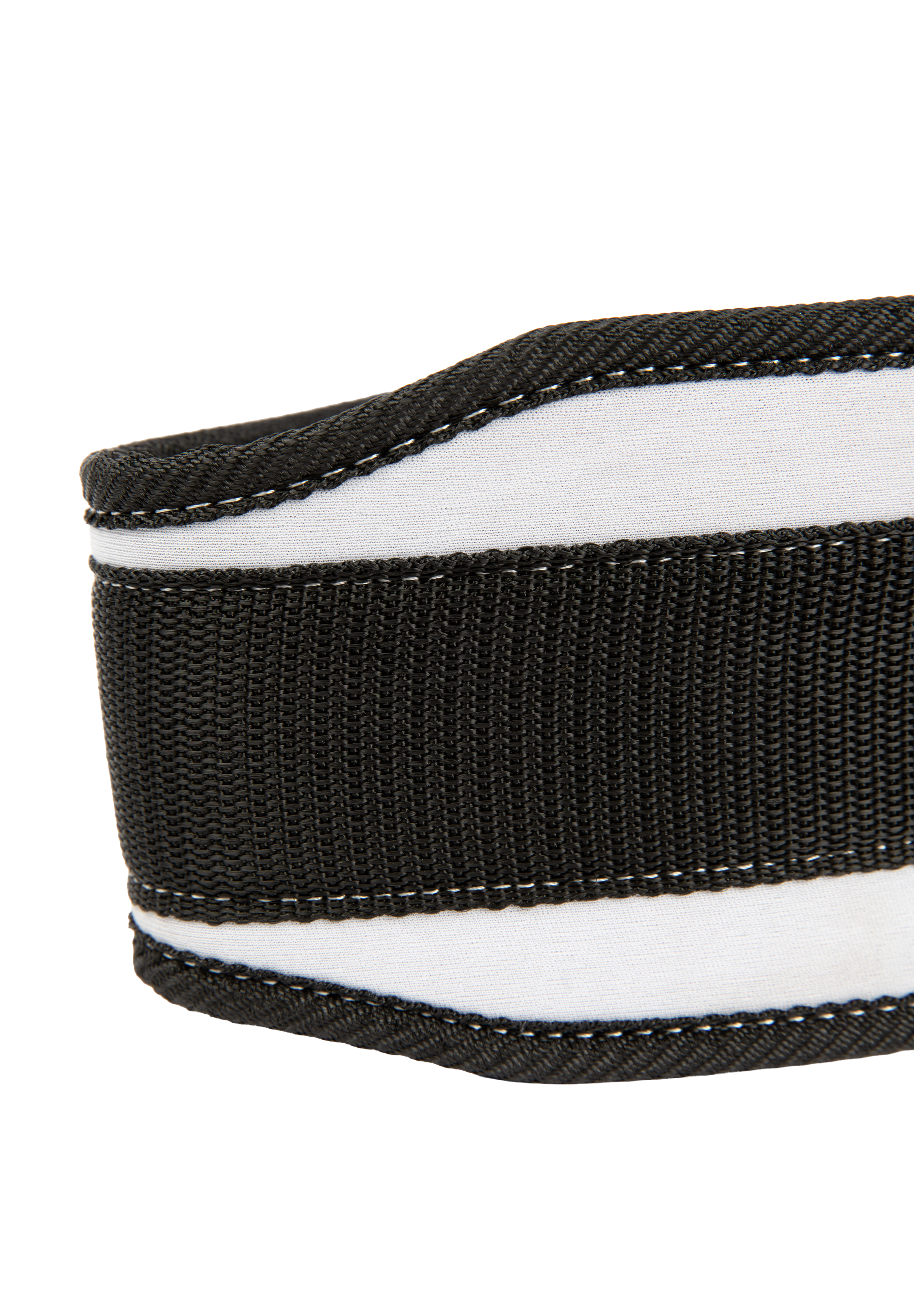
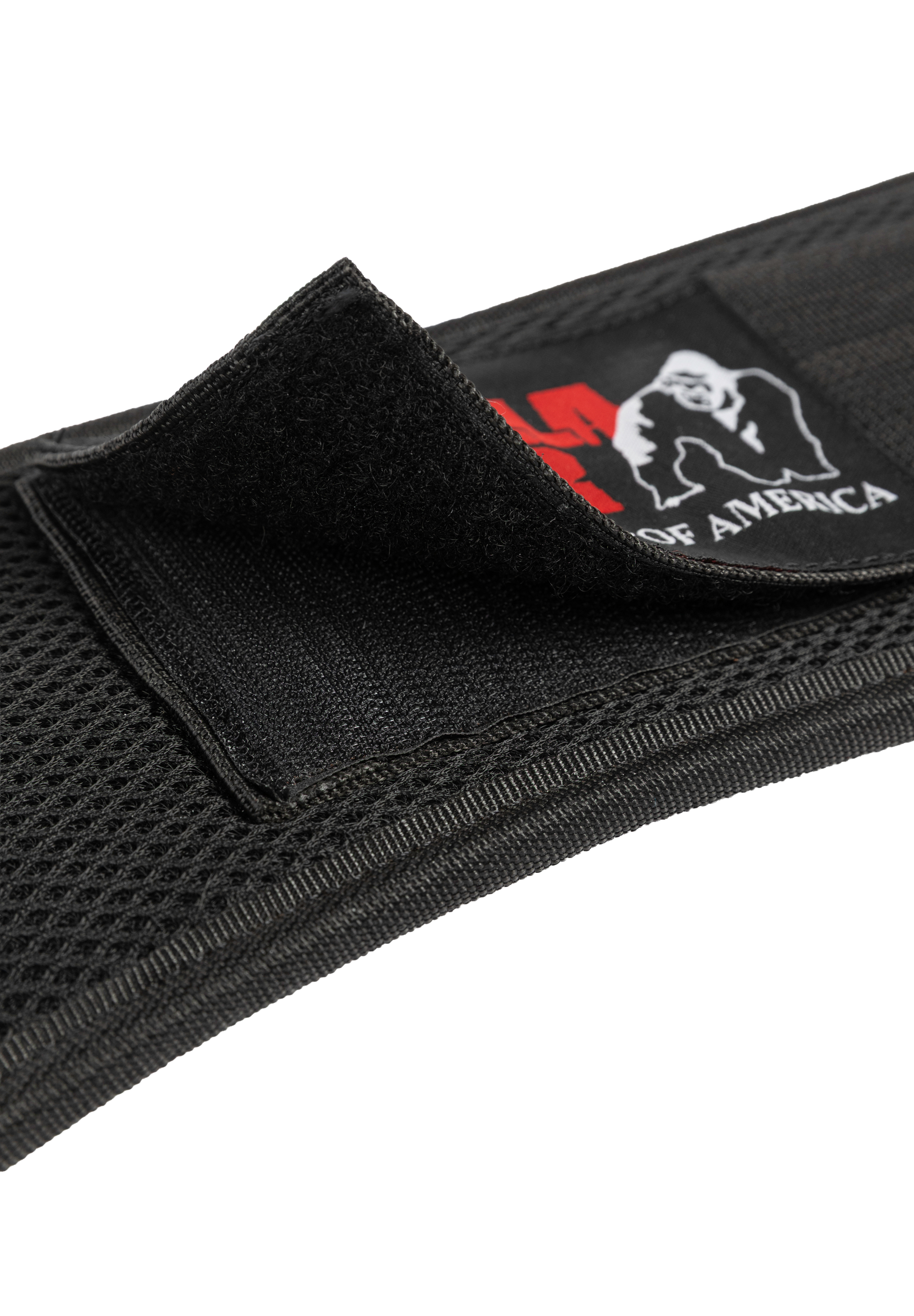
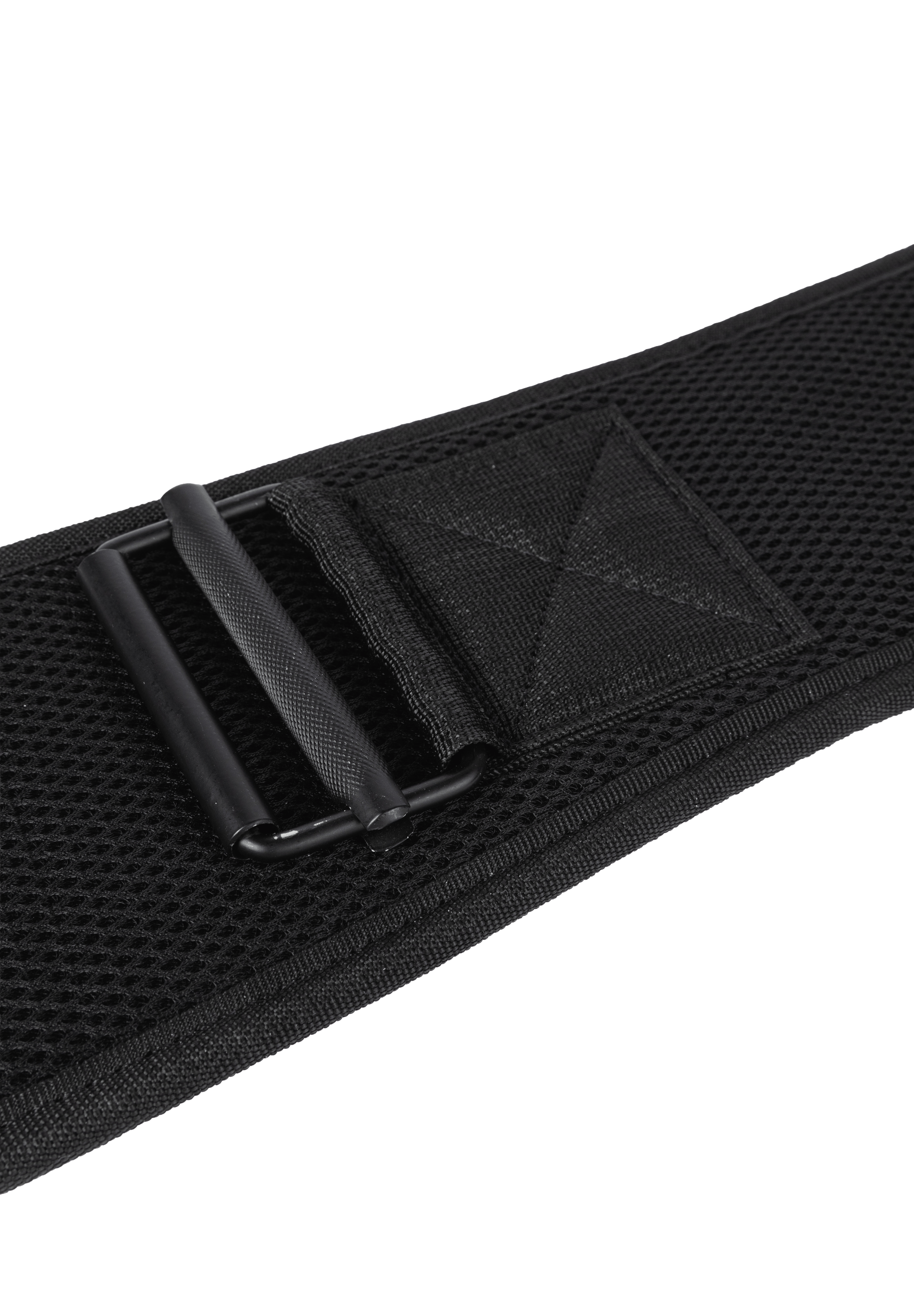
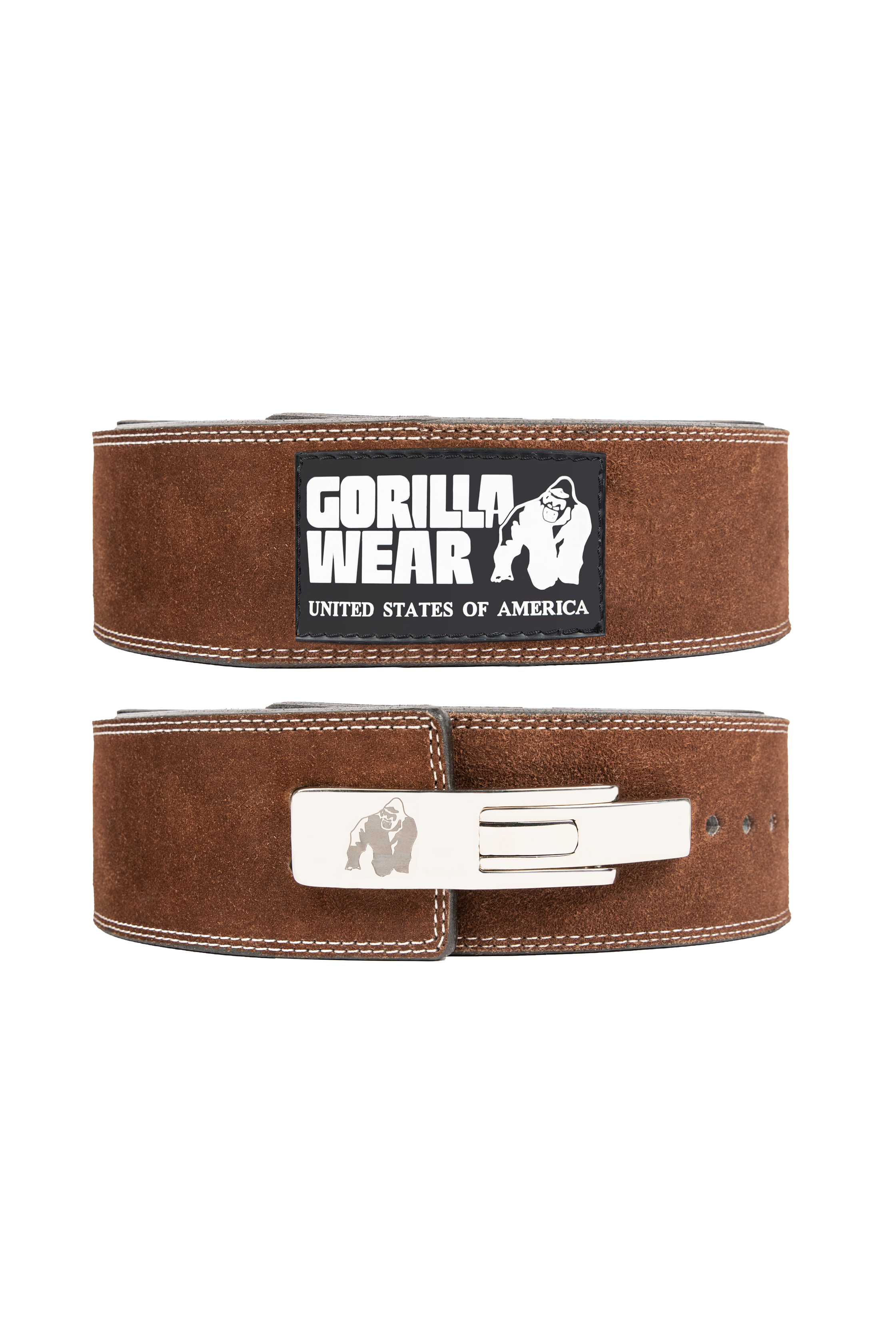
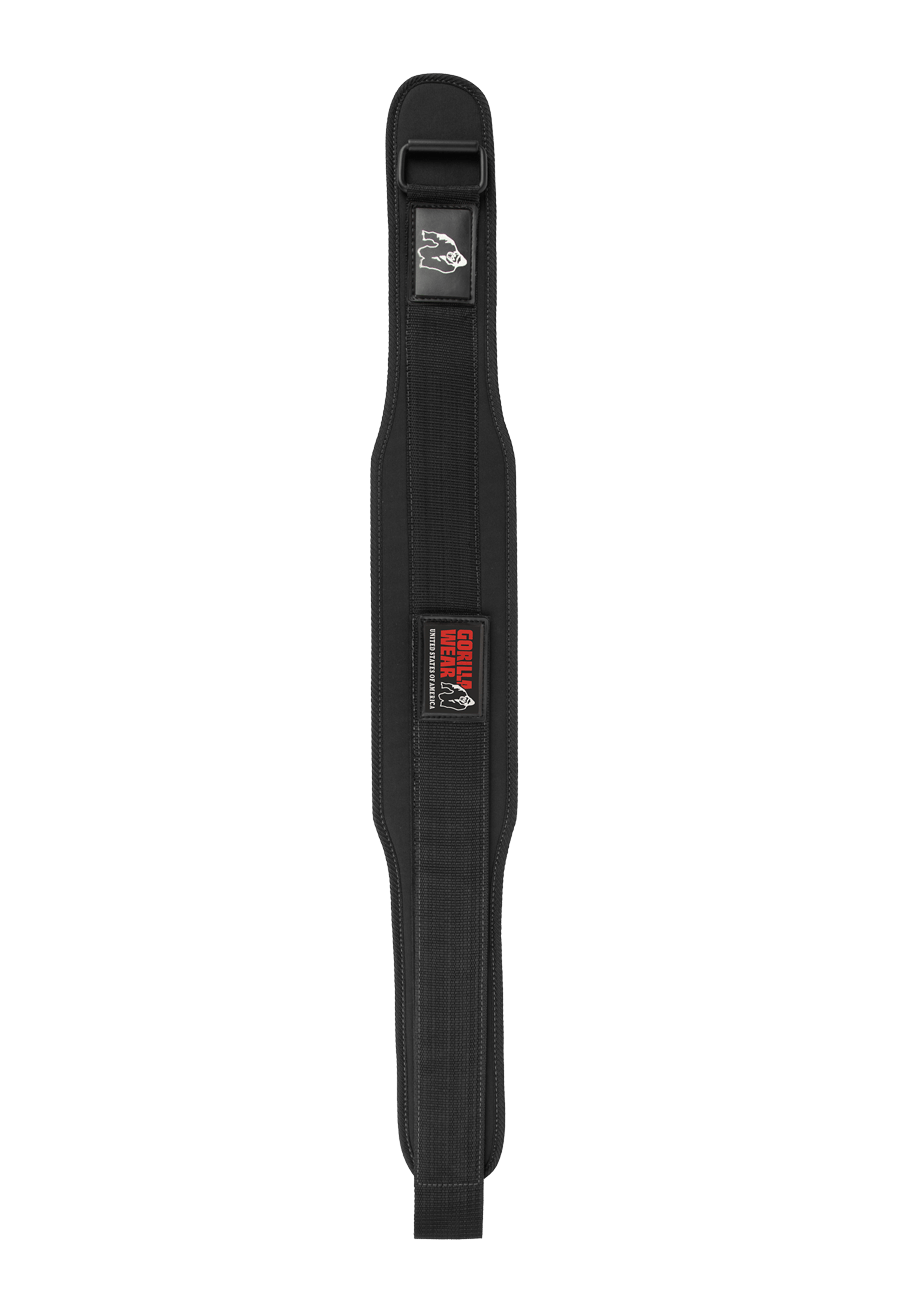
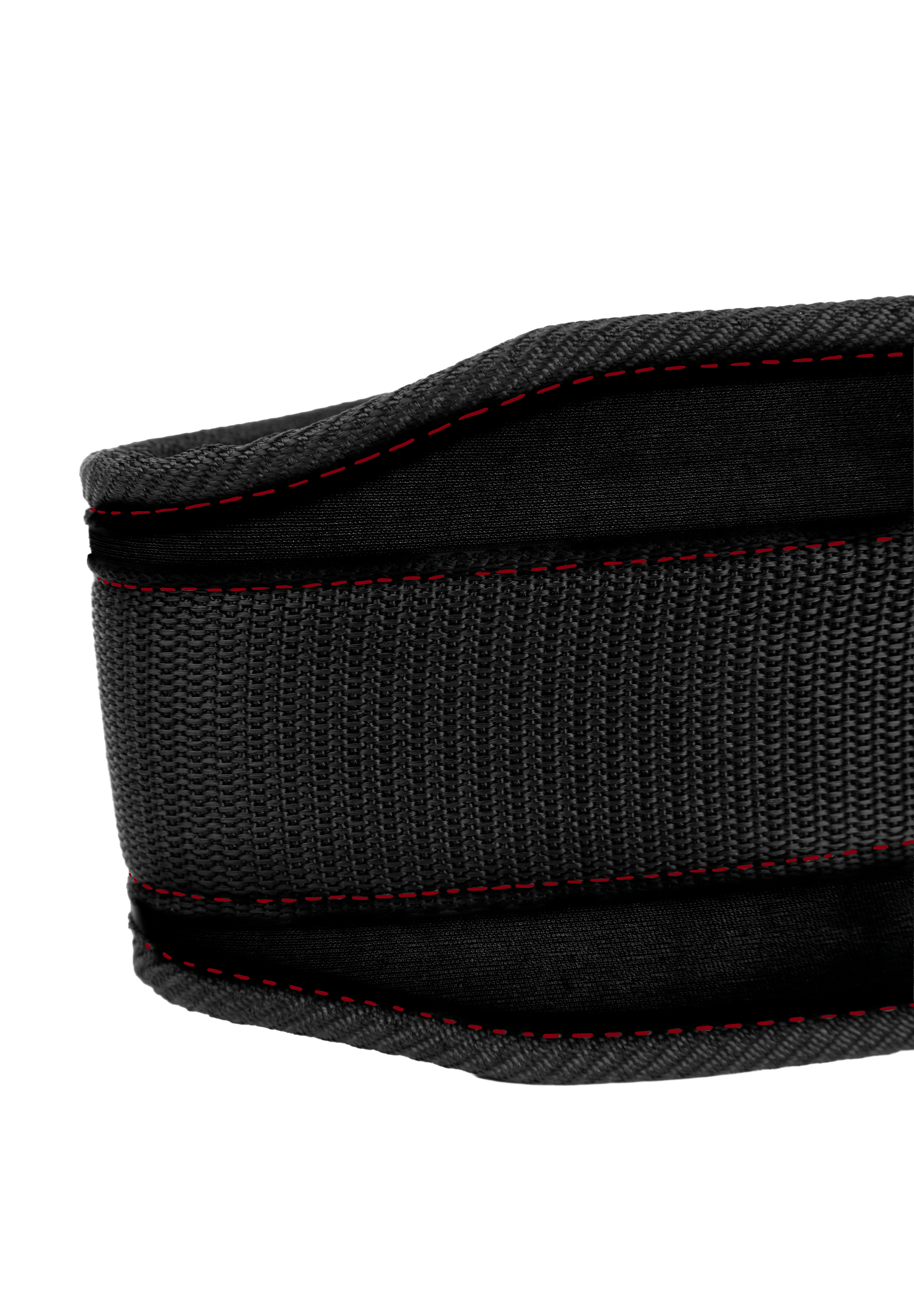
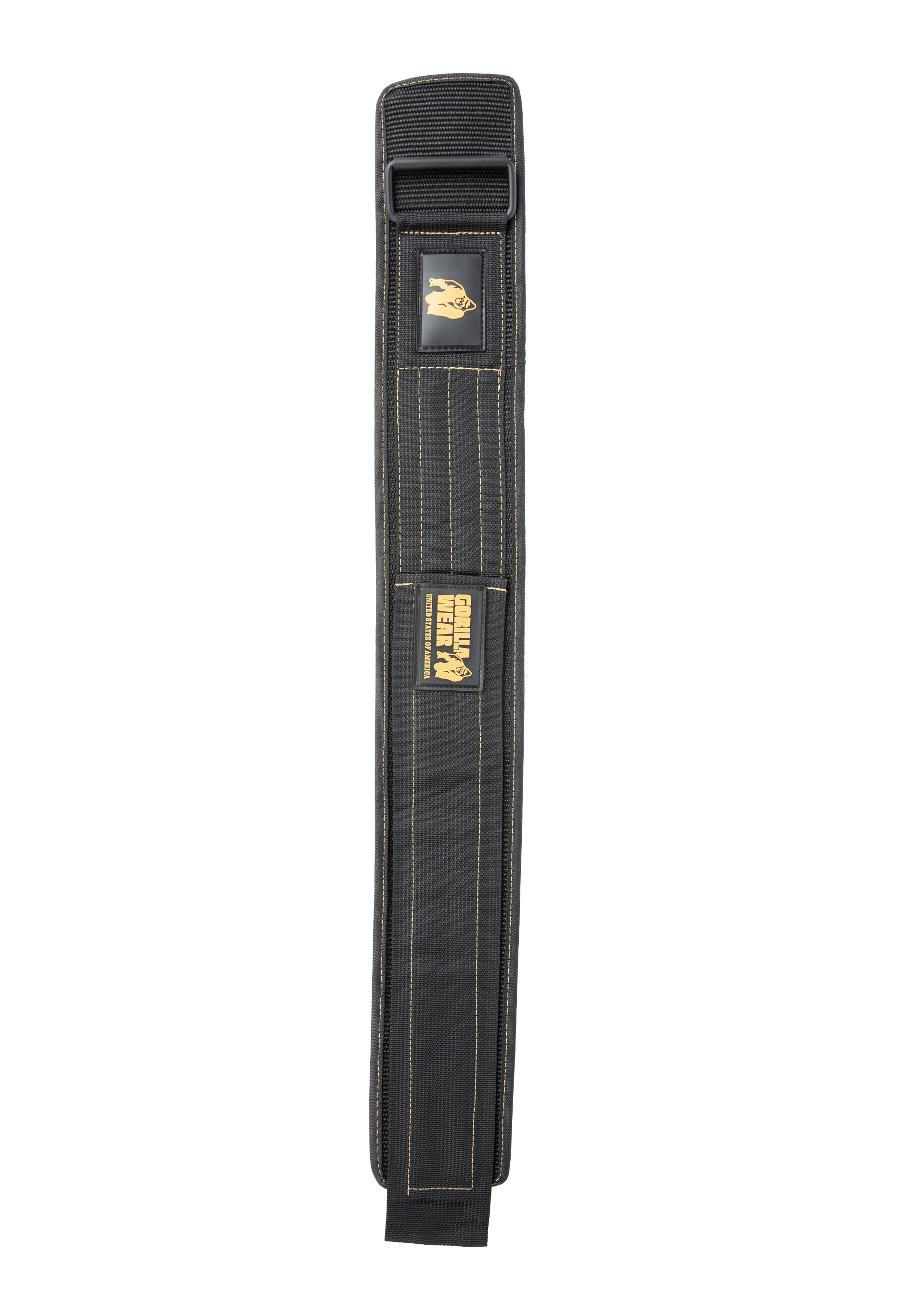
La larghezza, la rigidità e il sistema di chiusura determinano la sensazione della cintura durante l'allenamento. In genere, le cinture più larghe e rigide offrono maggiore supporto, mentre i modelli flessibili o più stretti possono consentire una maggiore libertà di movimento.
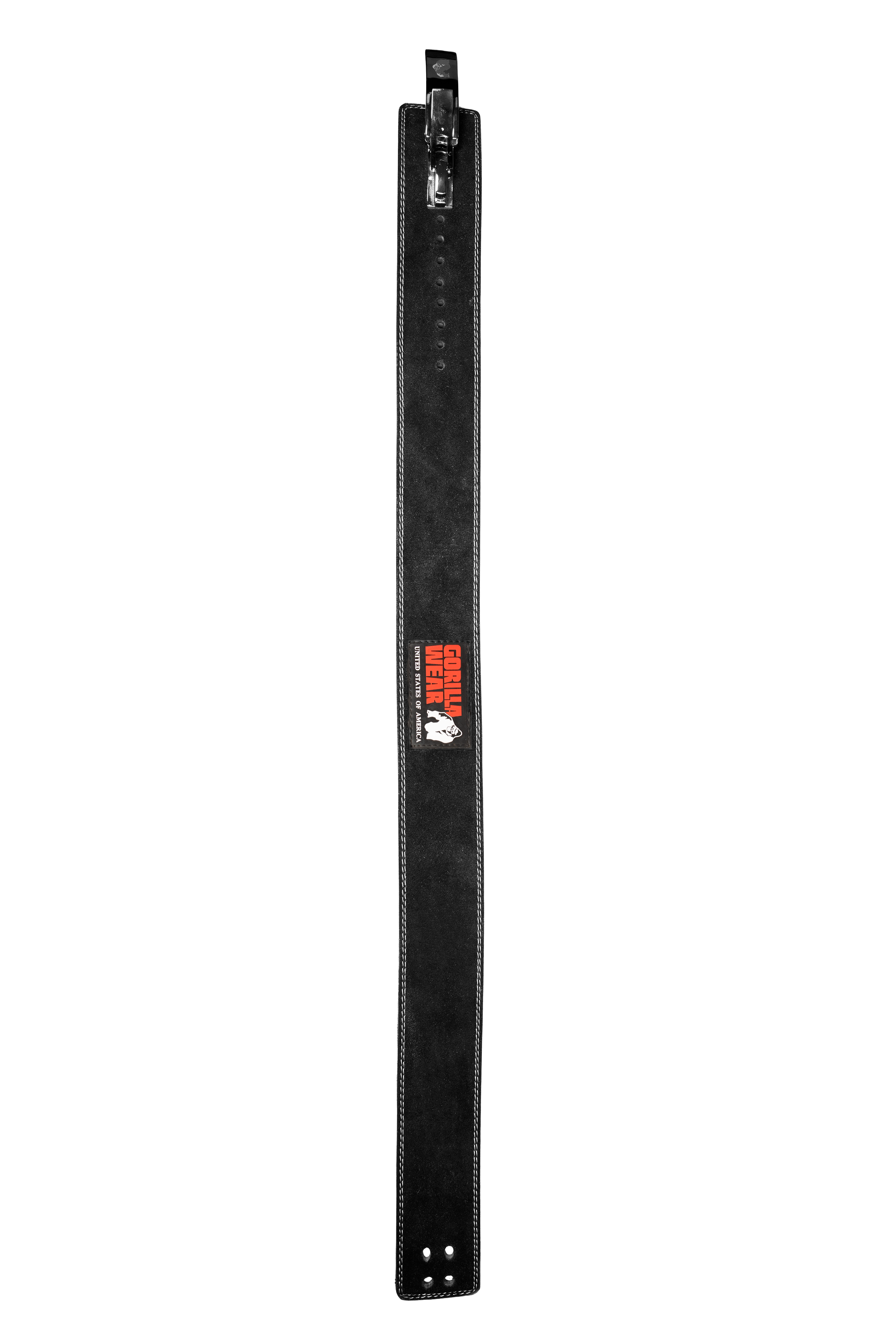
Una cintura da sollevamento deve aderire saldamente al busto senza limitare la respirazione o i movimenti. Deve rimanere ben fissata durante tutto l'esercizio e consentirti di esercitare comodamente la pressione contro di essa.
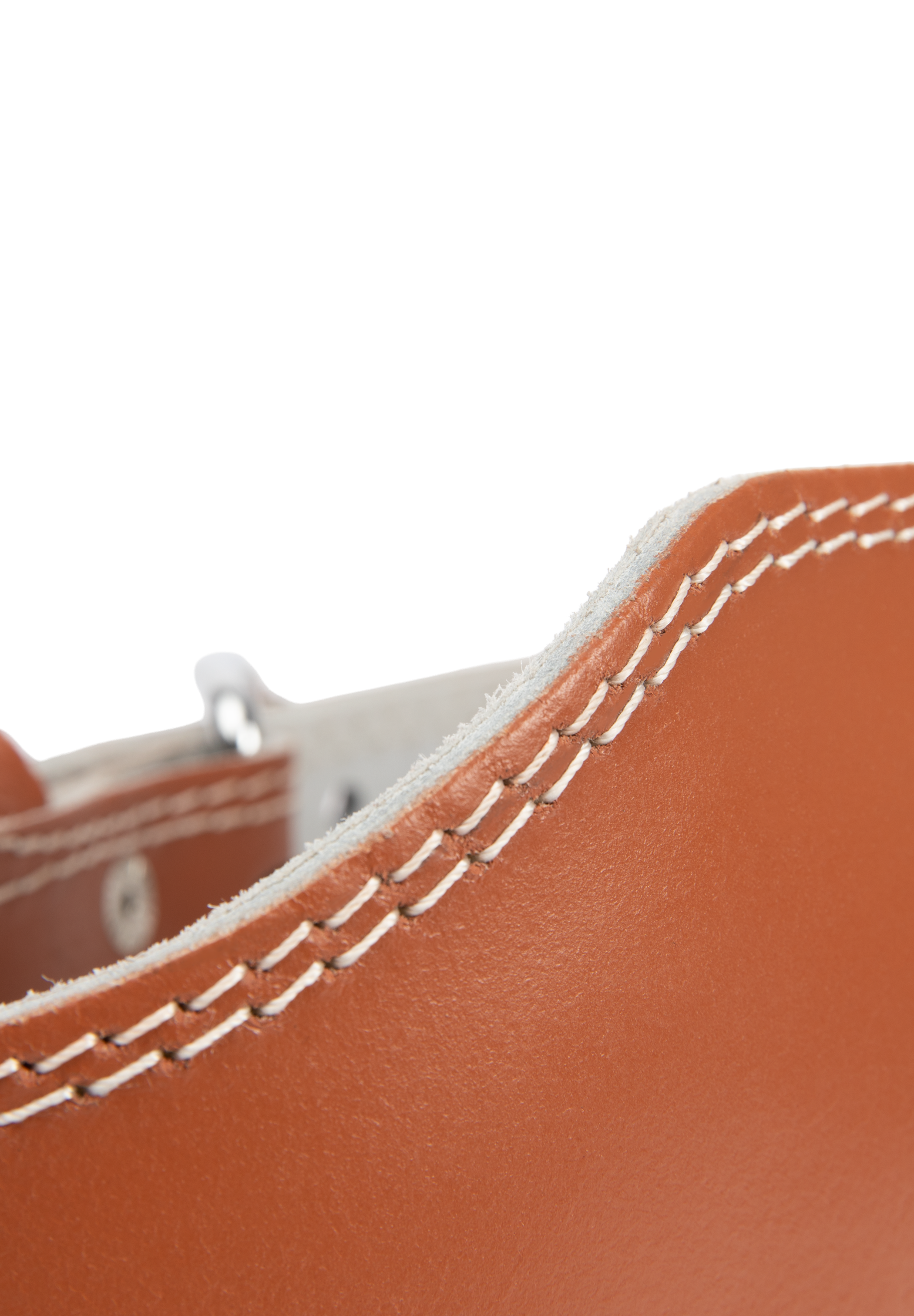
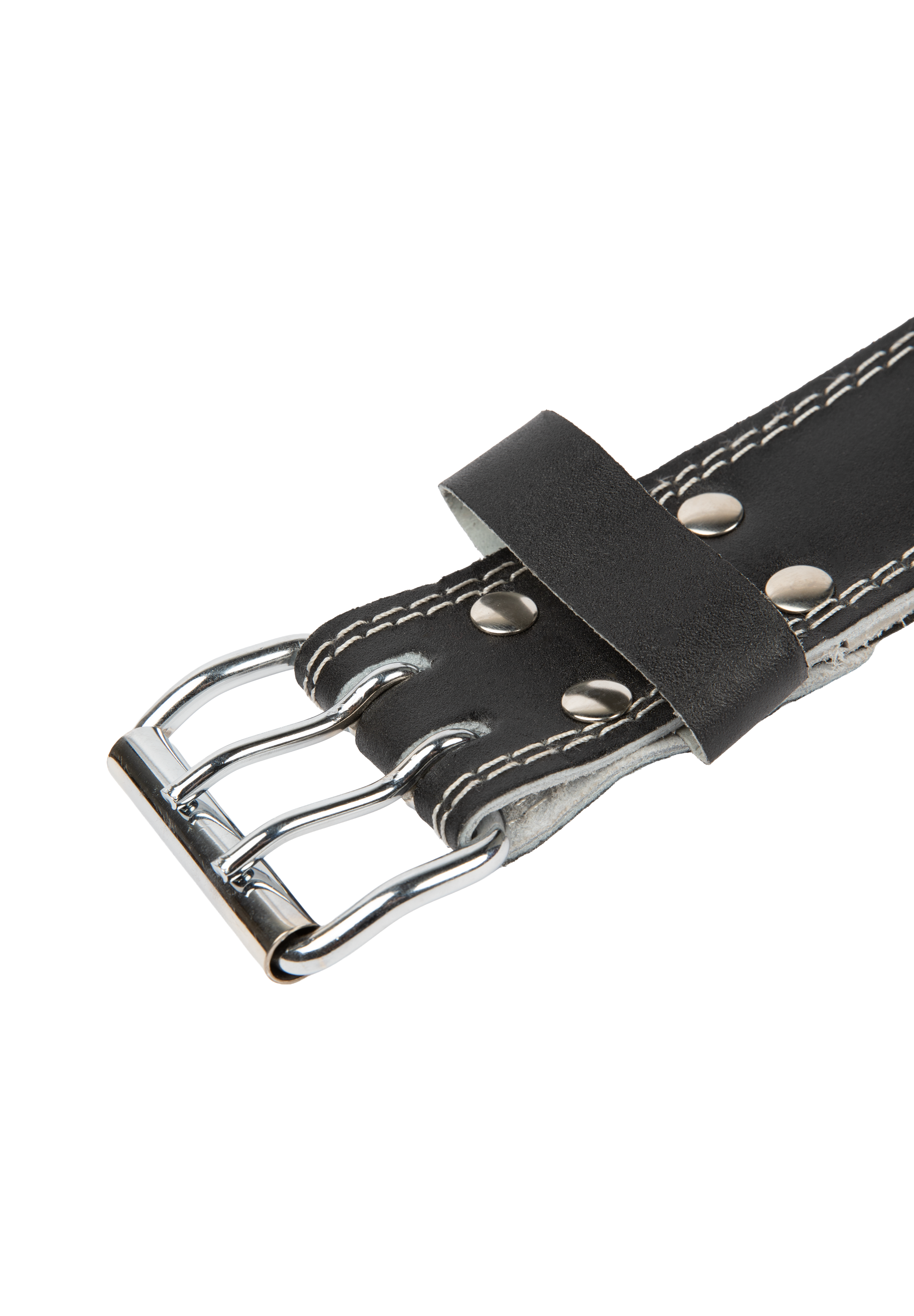
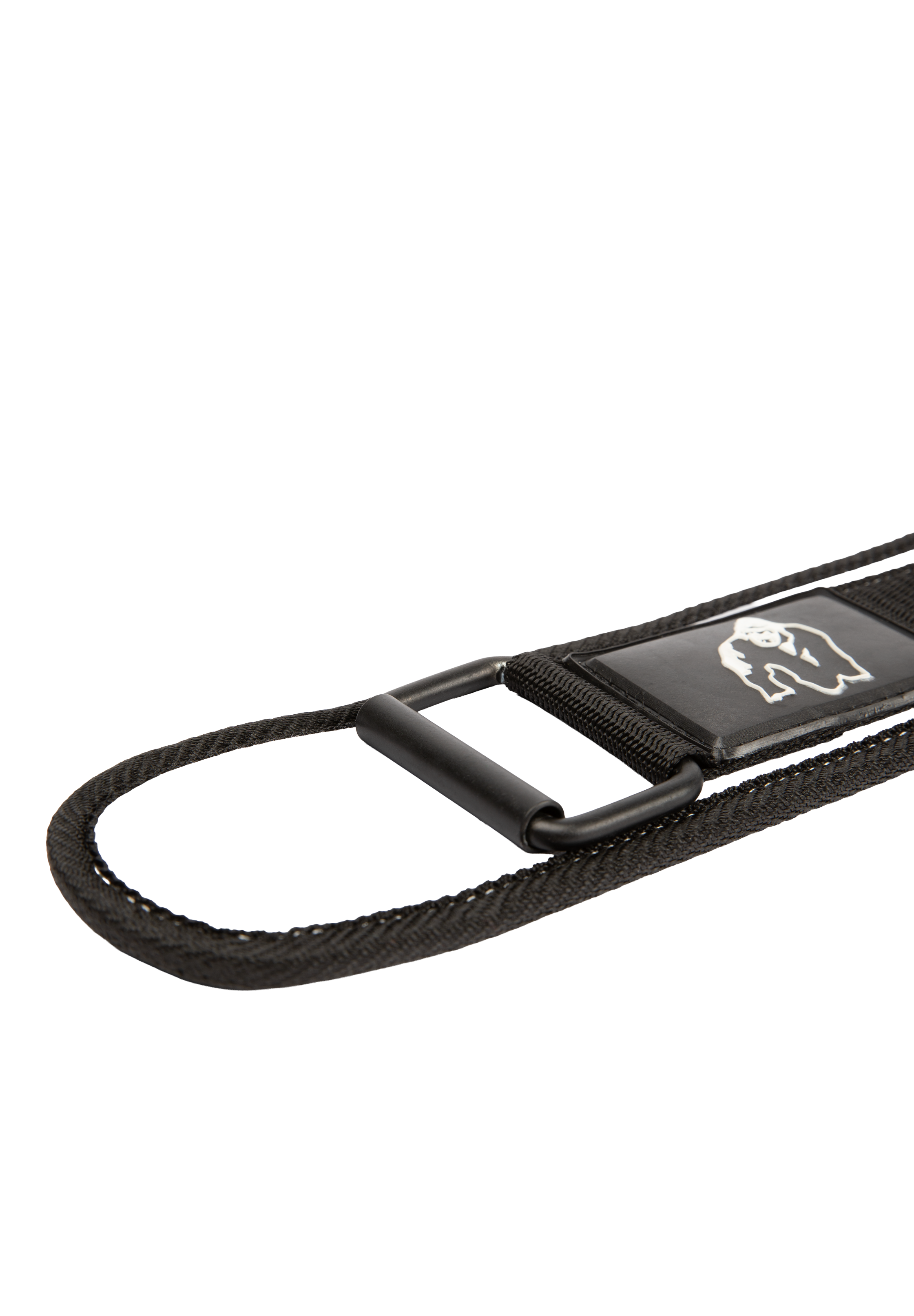
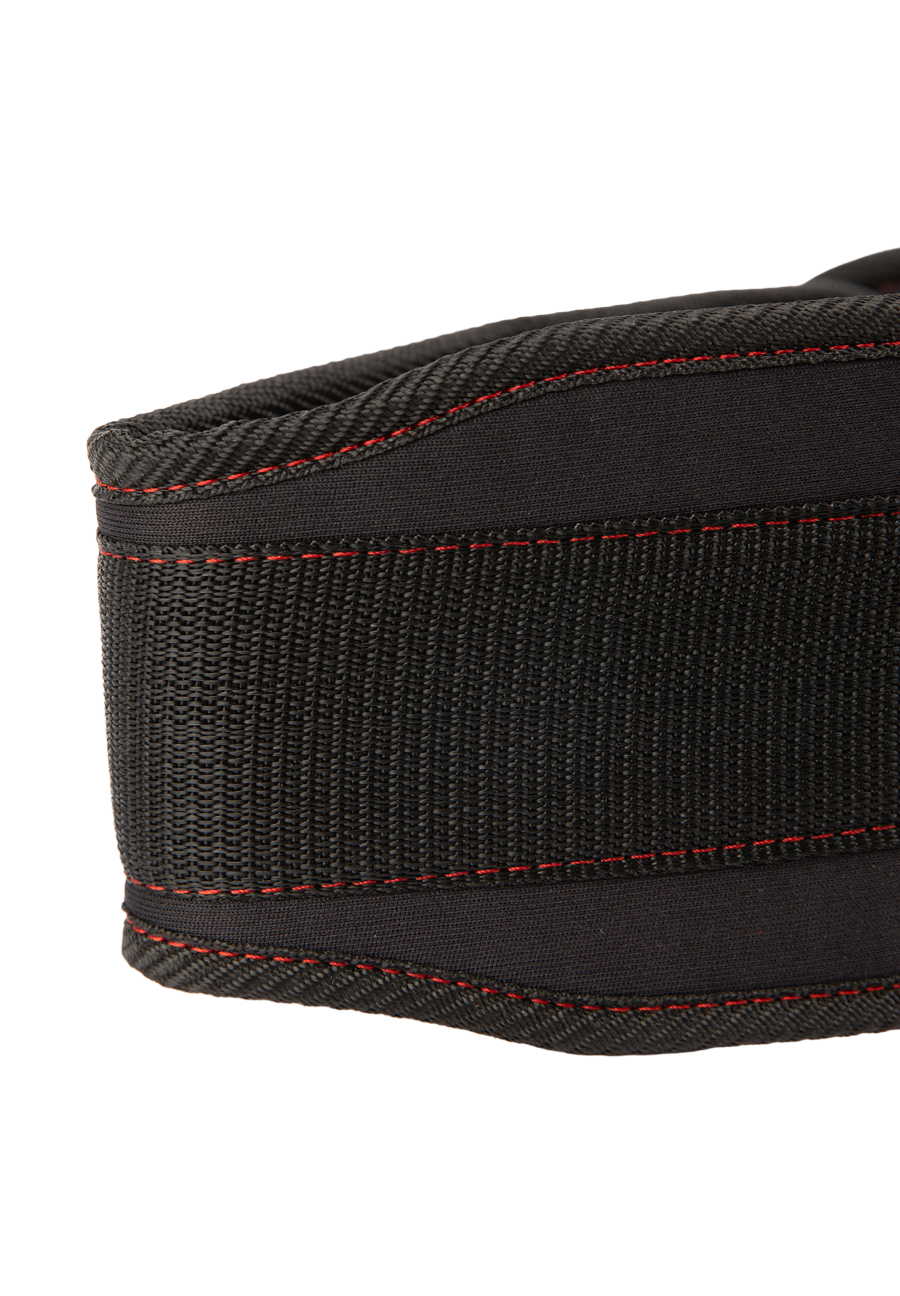
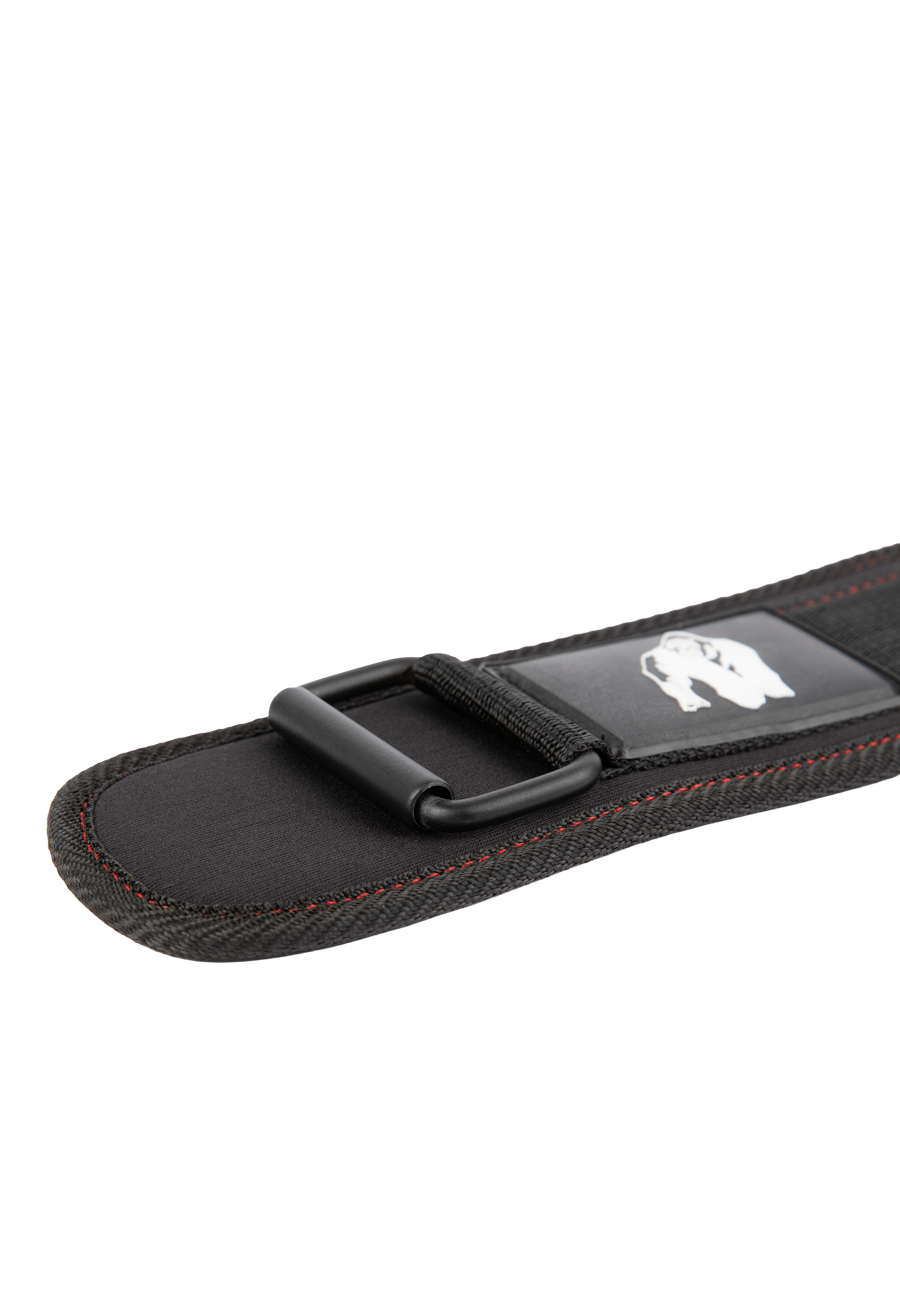
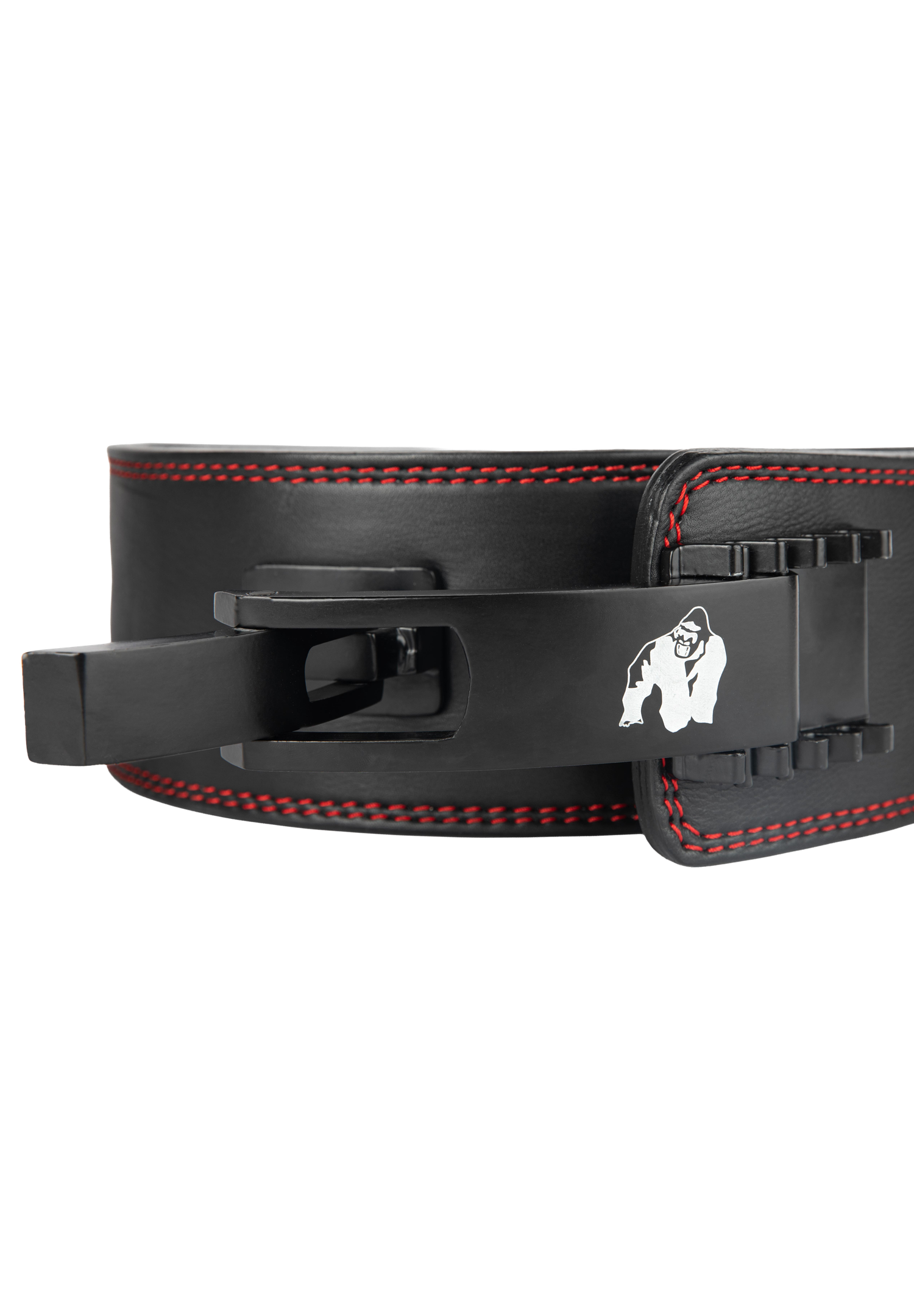
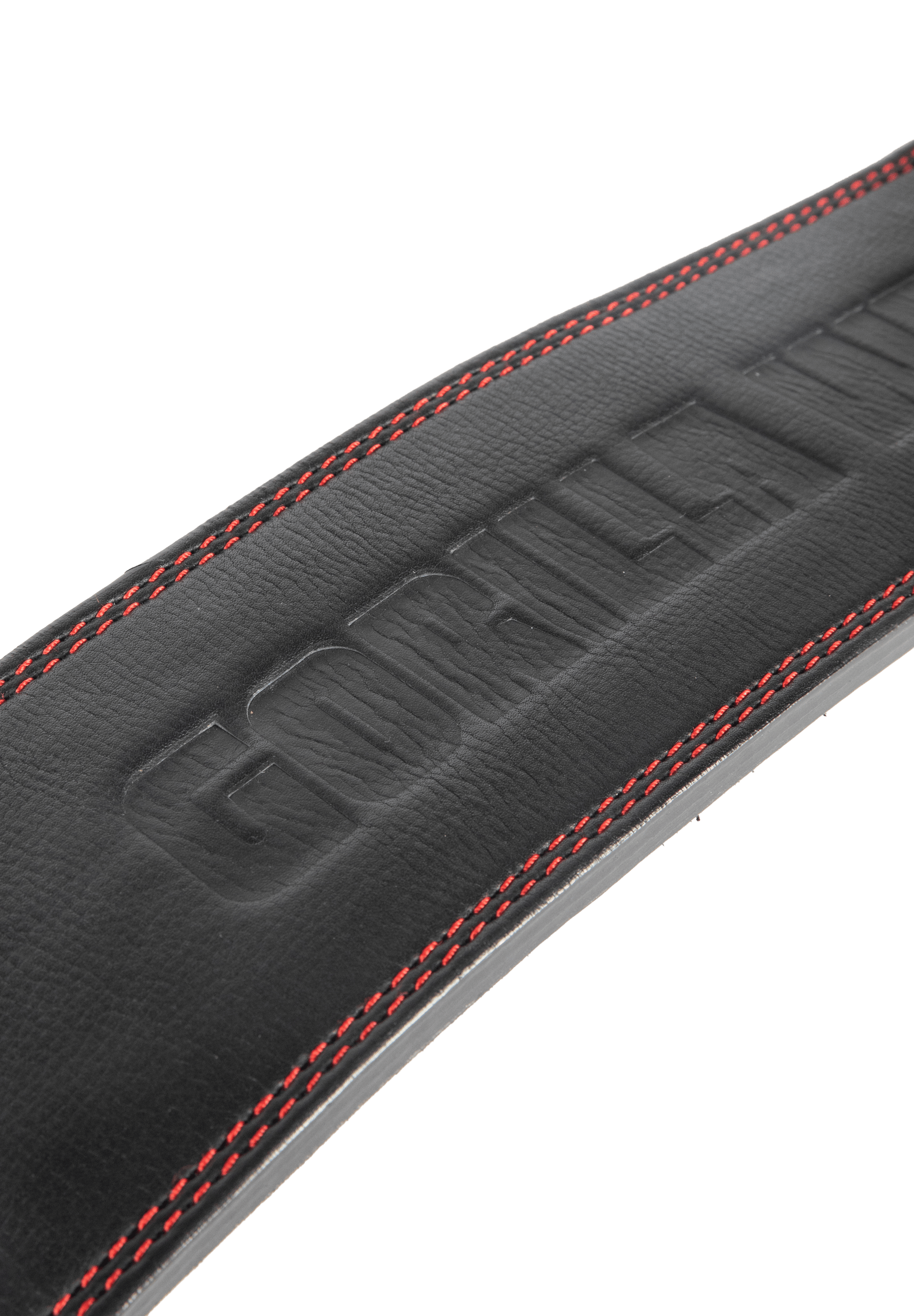
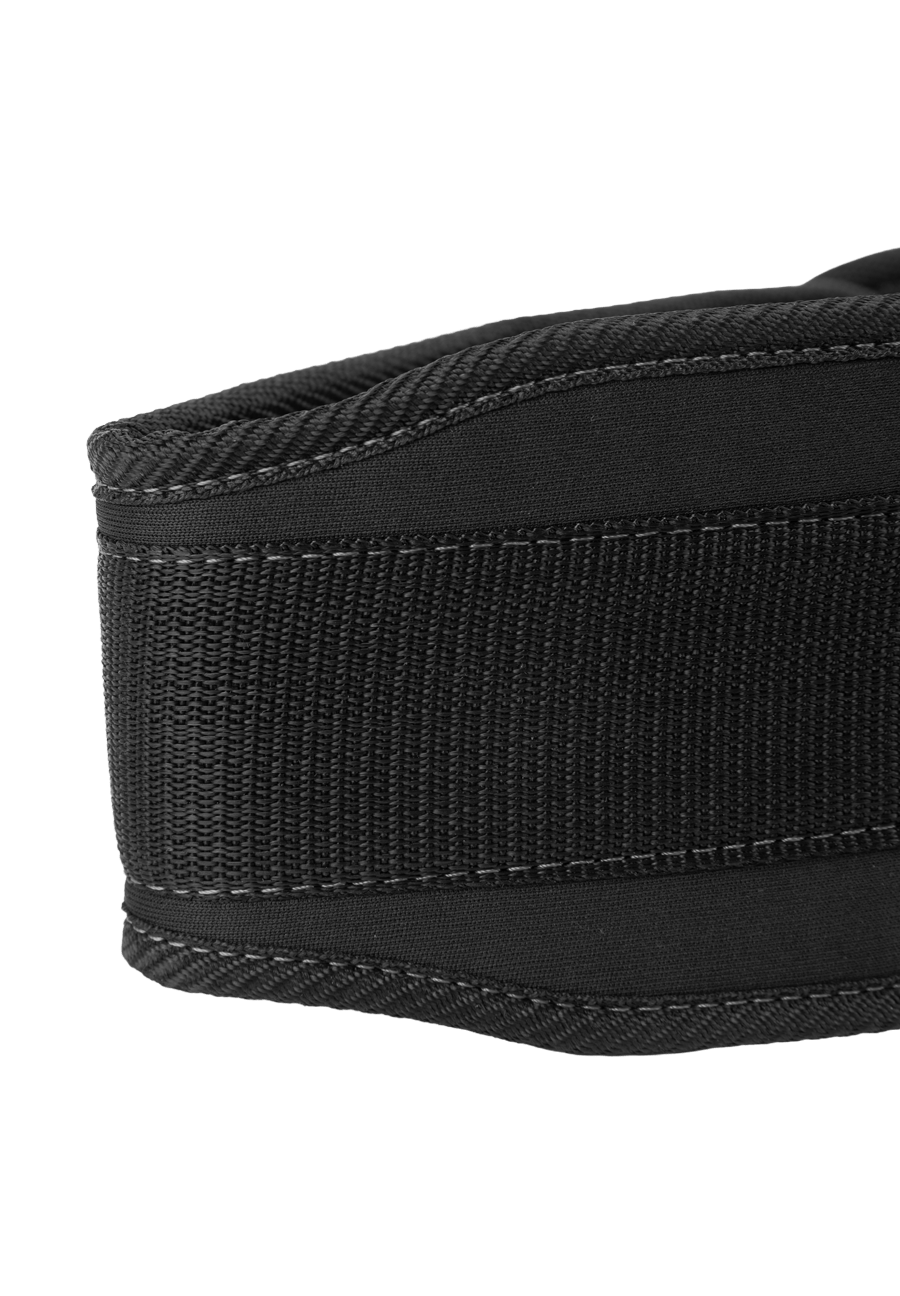
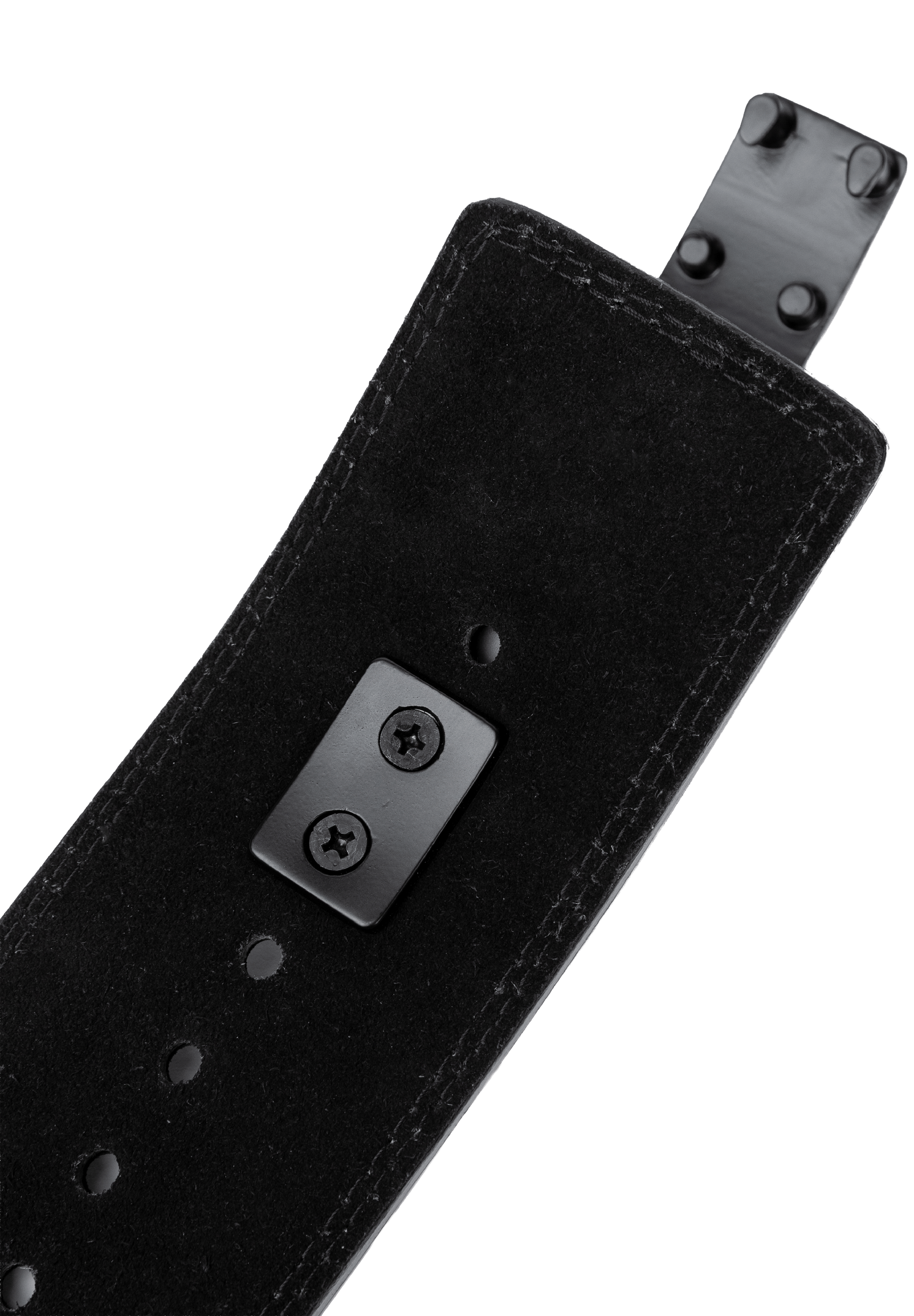
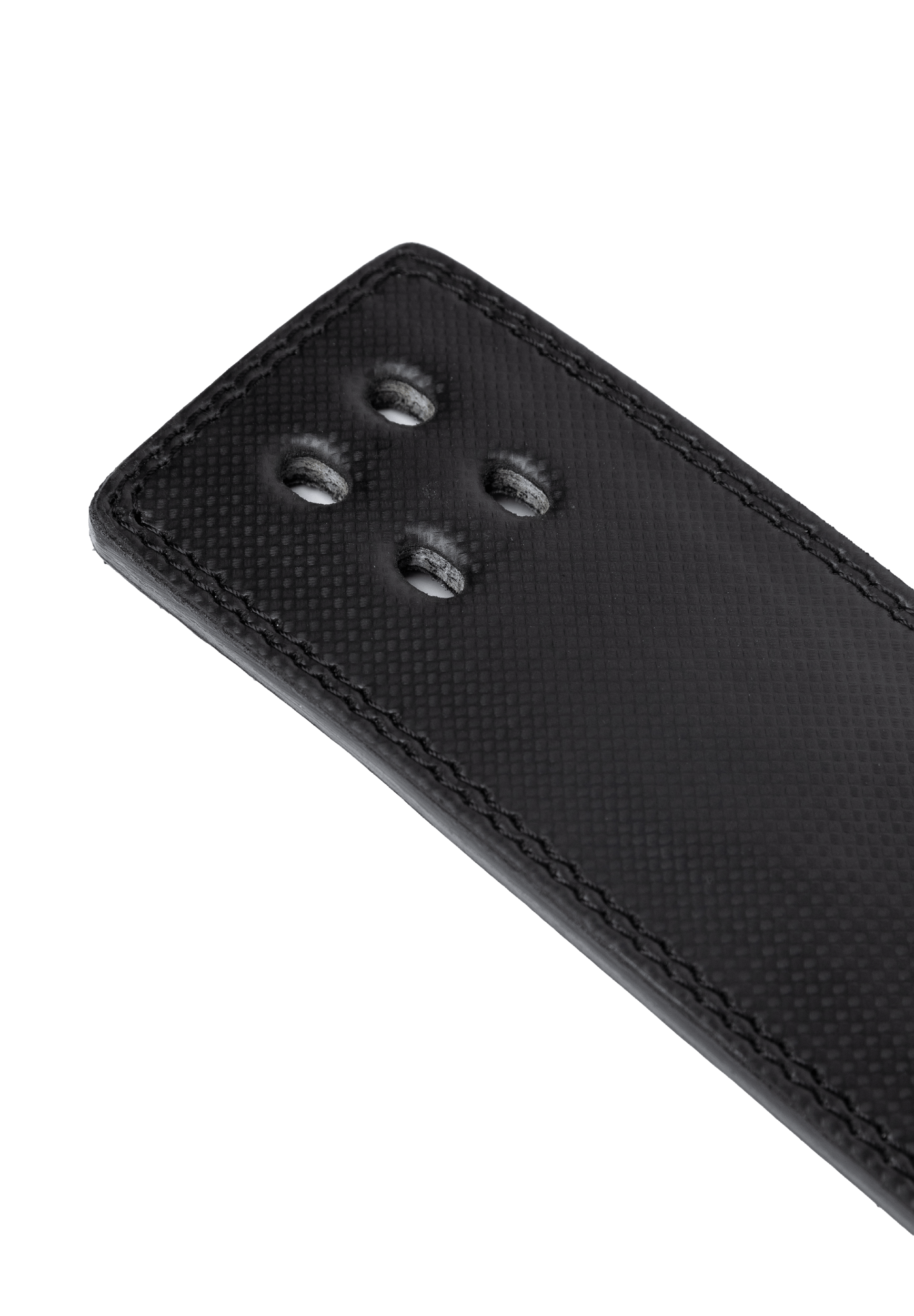
Materiali resistenti, una struttura rinforzata e un sistema di chiusura affidabile aiutano la cintura a mantenere il supporto con l'uso regolare. Gli atleti che cercano maggiore aderenza e protezione per le mani possono anche scoprire i nostri Guanti e impugnature da allenamento.
Esplora la collezione di cinture da sollevamento Gorilla Wear e trova il modello adatto ai tuoi esercizi, al livello di supporto che preferisci e all'intensità dei tuoi allenamenti. Hai bisogno di aiuto per scegliere una cintura da sollevamento? La nostra guida completa spiega i diversi tipi, come usarli e cosa considerare nella scelta.
 200.000+ CLIENTI SODDISFATTI